Eight Suicide Attempts Aboard U.S. Aircraft Carrier Fuel Senate Clash as Trump's Navy Chief Faces Questions Over Iran War
WASHINGTON — November 17, 2026 — A Senate confirmation hearing for President Donald Trump's choice to lead the U.S. Navy turned into a confrontation over the human and military costs of the ongoing war with Iran, as lawmakers questioned the service's handling of eight suicide attempts aboard an American aircraft carrier.
Acting Navy Secretary Hung Cao faced criticism from Democratic senators who accused him of minimizing the mental health challenges experienced by sailors during extended deployments.
The hearing before the Senate Armed Services Committee also exposed disagreements over the administration's military strategy, the financial burden of the naval blockade against Iran, and the strain that months of operations have placed on the U.S. fleet.
Cao, a retired Navy captain seeking confirmation as the service's permanent civilian leader, defended the Navy's response to mental health emergencies while acknowledging the demands facing American sailors.
But several senators said his answers failed to address their concerns.
The hearing highlighted growing congressional scrutiny of the war and raised questions about how the Navy is protecting personnel who have spent months at sea.
Eight Suicide Attempts Bring Sailors' Mental Health Into Focus
One of the most serious issues raised during the hearing involved eight suicide attempts associated with the USS Abraham Lincoln aircraft carrier.
The carrier strike group had supported American military operations during a prolonged deployment connected to the Iran war.
Lawmakers questioned whether Navy leadership had adequately responded to the psychological demands placed on sailors during the mission.
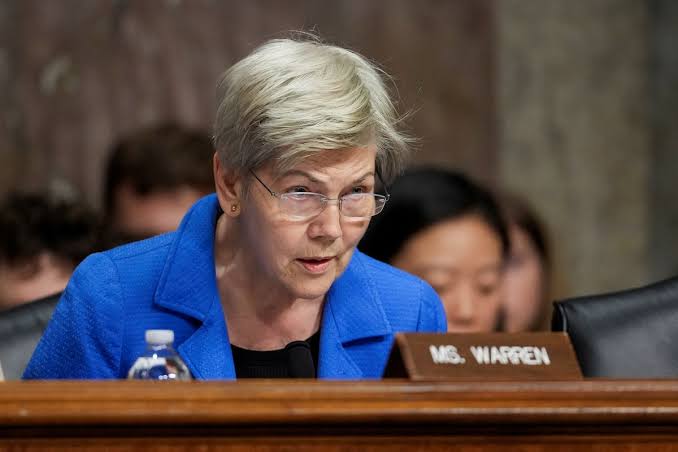
Senator Kirsten Gillibrand, a Democrat from New York, challenged Cao about an incident in which a sailor went overboard.
Cao told the committee that the sailor had not intended to take his own life and had acknowledged that intention afterward. He also noted that the sailor had used a life preserver.
Gillibrand sharply questioned his interpretation of the incident.
She argued that the acting secretary was minimizing the mental health strain experienced by personnel serving aboard Navy ships.
The exchange became one of the most confrontational moments of the hearing.
Gillibrand characterized Cao's response as inadequate and lacking the sensitivity she believed the situation required.
Cao, meanwhile, defended the Navy's handling of mental health emergencies and spoke positively about its crisis response.
The disagreement demonstrated how the same incident could lead to sharply different assessments of whether military leadership was taking sailors' welfare seriously.
The eight reported incidents were suicide attempts, not eight confirmed deaths.
Senator Accuses Navy Leadership of Failing Sailors
The criticism extended beyond Gillibrand.
Democratic Senator Richard Blumenthal of Connecticut also raised concerns about the treatment of sailors and their families.
He challenged Cao over conditions aboard vessels supporting the war and questioned whether senior Navy officials were responding adequately to the needs of service members.
Blumenthal's criticism reflected a broader concern among lawmakers that operational requirements were being prioritized without sufficient attention to the people carrying out those missions.
The prolonged nature of the deployments has made sailors' living conditions, access to support and family separation important subjects of congressional oversight.
Military personnel serving aboard aircraft carriers must maintain demanding schedules involving aircraft operations, maintenance, security and shipboard duties.
Those responsibilities can become especially difficult during extended missions.
The hearing did not establish a single medical cause for the reported suicide attempts.
However, lawmakers argued that the incidents required serious examination of the conditions experienced by sailors and the effectiveness of available support.
For the Navy, the challenge involves maintaining operational capability while ensuring personnel receive appropriate assistance.
Trump's Navy Nominee Faces Questions About the Iran War
The hearing was also an opportunity for lawmakers to examine the Trump administration's approach to the conflict with Iran.
The Navy has played a central role in American military operations, including imposing a maritime blockade and supporting strikes against Iranian targets.
Senators pressed Cao on the cost of those operations and their consequences for the fleet.
Some of the questions concerned the financial burden of maintaining the blockade and damage sustained by American military facilities in the Middle East.
Reuters reported that Cao did not directly answer several of the toughest questions on those subjects.
Lawmakers also questioned whether the administration had explained how it intended to bring the war to an end.
The conflict had developed into a prolonged confrontation focused partly on access to the Strait of Hormuz.
American naval forces have helped escort tankers through the waterway while maintaining pressure on Iranian shipping.
Despite those operations, the Pentagon had not publicly presented a detailed plan explaining how it expected the conflict to conclude.
That uncertainty became another point of contention during the confirmation hearing.
Senator Tammy Duckworth Challenges Cao Over Pete Hegseth
One of the most pointed exchanges came from Senator Tammy Duckworth, a Democrat from Illinois and a military veteran.
Duckworth asked Cao whether he had ever challenged Defense Secretary Pete Hegseth over the war with Iran.
Cao responded that doing so was outside the responsibilities of his position.
Duckworth rejected that explanation.
She argued that senior Navy leadership had a responsibility to provide independent advice about military operations and the consequences for service members.
The senator accused the Trump administration of appointing officials who would support the president's decisions rather than challenge them when necessary.
Her criticism reflected her assessment of Cao's leadership, not a formal finding about his conduct.
Cao did not agree with her characterization.
The exchange raised a larger question about the responsibilities of civilian service leaders when military operations place substantial demands on personnel and equipment.
Senators have oversight responsibilities that include evaluating whether nominees are prepared to provide advice, manage resources and address risks facing the armed forces.
Republicans Defend Cao's Military Experience
Although Democratic senators delivered much of the sharpest criticism, Republican lawmakers highlighted Cao's military background and professional record.
Representative Rob Wittman of Virginia introduced Cao and praised his personal history.
Cao arrived in the United States as a refugee from Vietnam and went on to serve approximately 25 years in the U.S. Navy.
His military career included service connected to Iraq, Afghanistan and Somalia.
He retired in 2021 with the rank of captain.
Cao also told senators that his son serves in the Marine Corps.
During the hearing, he explained that his military experiences had shaped his priorities for Navy leadership.
He recalled shortcomings in equipment and protective supplies experienced by American forces during earlier conflicts.
Cao said he wanted to ensure that sailors and Marines were properly equipped when deployed into dangerous environments.
His supporters pointed to that experience as evidence of his understanding of military operations.
Critics, however, questioned whether his experience had translated into an adequate response to current personnel and readiness concerns.
Republican Senator Points to Navy Recruiting Success
Senator Tom Cotton, a Republican from Arkansas, pushed back against descriptions of conditions aboard Navy ships as overwhelmingly negative.
Cotton noted that the Navy had reached its recruiting goals three months ahead of schedule.
He questioned whether the service could have achieved those results if conditions were as poor as critics suggested.
Cao supported that argument.
However, Democratic Senator Jack Reed of Rhode Island raised a different concern about recruitment.
Reed cited figures indicating that many new Navy recruits had required waivers from standard qualification requirements.
Those waivers can involve several categories, including medical and mental health considerations.
Reed questioned whether the Navy was prioritizing recruiting numbers over qualification standards.
Cao rejected the suggestion that the service was sacrificing quality to meet its targets.
The exchange illustrated competing interpretations of Navy recruitment performance.
Reaching numerical goals may demonstrate progress in attracting personnel, but lawmakers also want to understand how recruits meet the service's established requirements.
Both questions form part of the broader debate about military readiness.
Cao's Nomination Faces an Additional Legal Hurdle
Beyond the questions about Iran and sailors' welfare, Cao faces a separate challenge involving the rules governing civilian leadership of the military.
Because he retired from active-duty Navy service in 2021, his nomination requires a waiver from a statutory cooling-off period.
The law generally requires a seven-year separation between active-duty service and appointment as the civilian secretary of the Navy.
Cao had not met that period by November 2026.
As a result, Congress would need to approve an exception for him to assume the position permanently.
The requirement is intended to preserve the distinction between military command and civilian oversight.
Cao has been serving as acting Navy secretary while seeking confirmation for the permanent position.
His nomination was considered during the final weeks of a Republican-controlled Senate.
The political calendar added urgency because Democrats were preparing to take control of Congress in January following the November midterm elections.
The Senate had not completed the confirmation process at the time of the Reuters report.
Iran War Places Growing Demands on American Naval Forces
The congressional confrontation occurred against the backdrop of continuing military operations in the Middle East.
American warships have been responsible for enforcing a blockade against Iran and supporting military strikes.
The Navy has also helped secure shipping through the Strait of Hormuz, a critical passage for international energy transportation.
These missions require a substantial naval presence.
During the week of Cao's hearing, a third American aircraft carrier entered Middle Eastern waters.
Military officials said the additional carrier was expected to replace one of the two already deployed rather than remain as a permanent expansion of the force.
Aircraft carriers normally operate with large crews and supporting ships.
Extended missions can complicate maintenance schedules, logistical planning and personnel rotations.
The continued war has therefore increased concerns about how long the Navy can maintain high operational demands without affecting readiness elsewhere.
Lawmakers have also questioned the use of weapons stockpiles and resources that might otherwise support American military commitments in other regions, particularly the Indo-Pacific.
Those concerns have become part of the wider debate over the costs of the Iran conflict.
Questions Remain About Damage to the U.S. Naval Headquarters in Bahrain
Another issue raised during the hearing involved the Navy's regional headquarters in Bahrain.
The facility serves as an important command location for American naval operations in the Middle East.
Iranian attacks had damaged U.S. facilities in the region, prompting senators to question the full extent of the consequences.
Reuters reported that lawmakers pressed Cao over the damage to the headquarters and the cost of the ongoing blockade.
Cao did not provide direct answers to some of those questions.
The lack of detailed public information contributed to lawmakers' concerns about congressional oversight.
Understanding the condition of American installations is important for assessing operational readiness and the resources needed for repairs.
However, the Reuters report did not provide a verified total financial estimate for the damage to the naval headquarters.
It also did not establish that the facility had been completely destroyed or rendered permanently unusable.
The issue remained one of several unresolved questions examined during the hearing.
American Public Opinion Adds Political Pressure
The debate over the Navy's operations is taking place during a period of changing political opinion about the war.
A Reuters/Ipsos poll published the week before the hearing found that a majority of Americans wanted the incoming Democratic-majority Congress to take action to end the conflict with Iran.
The polling results underscored the political challenges facing the administration as the war continued.
Democrats won control of Congress in the November midterm elections and are scheduled to assume their majorities in January 2027.
That transition could bring additional congressional scrutiny of military operations and spending.
The Senate hearing offered an early indication of the issues lawmakers may continue to examine.
Questions about military strategy, personnel welfare, operational costs and the duration of deployments are likely to remain important to congressional oversight.
However, the poll reflects public opinion during a particular period, not a definitive prediction about future government decisions.
The ability of Congress and the administration to agree on a change in strategy remains uncertain.
Can the Navy Maintain Its Operations While Protecting Sailors?
The hearing brought two closely connected priorities into focus.
The Navy must be capable of carrying out the missions assigned to it.
At the same time, military leaders are responsible for personnel welfare, equipment readiness and maintaining the force over time.
The reported suicide attempts aboard the Abraham Lincoln raised questions about whether the demands of deployment were affecting sailors in ways that required stronger intervention.
Cao defended the Navy's efforts, while several Democratic senators argued that the response was insufficient.
Republican lawmakers emphasized successful recruiting and Cao's military background.
The disagreement was not simply about whether the Navy could continue operations.
It also concerned how the service should measure the human costs of those missions and whether its leadership was adequately communicating those consequences.
Those questions are especially significant during a conflict that has continued for months without a publicly announced final settlement.
What Happens Next?
Hung Cao's confirmation process remains subject to Senate action and the requirement for a waiver related to his recent military retirement.
The November 17 hearing provided lawmakers with an opportunity to question his qualifications, leadership decisions and approach to managing the Navy during the Iran war.
Several issues remain unresolved.
The full operational costs of the naval blockade have not been publicly detailed in the Reuters report.
Questions persist about damage to American military facilities in Bahrain.
Lawmakers also want stronger explanations of the Navy's response to mental health emergencies and the consequences of extended ship deployments.
Meanwhile, American naval forces continue operations in the Middle East.
The debate over sailors' welfare has added a human dimension to an already contentious discussion about military strategy.
For the families of deployed service members, the issue extends beyond budgets and weapons systems to the conditions their relatives experience while serving at sea.
For Congress, it raises questions about oversight, leadership and accountability.
The central question is whether the Navy can sustain its demanding role in the Iran war while providing sailors with the support, resources and leadership they need — and whether the administration can explain how the conflict will ultimately end.
The hearing did not resolve those questions, but it placed them before lawmakers as they consider who should lead one of the United States' most important military services.