DEMOCRAT MAKES HISTORY IN MICHIGAN — BUT WHY DID A MEMBER OF HIS OWN PARTY BACK HIS REPUBLICAN RIVAL JUST DAYS BEFORE THE VOTE?
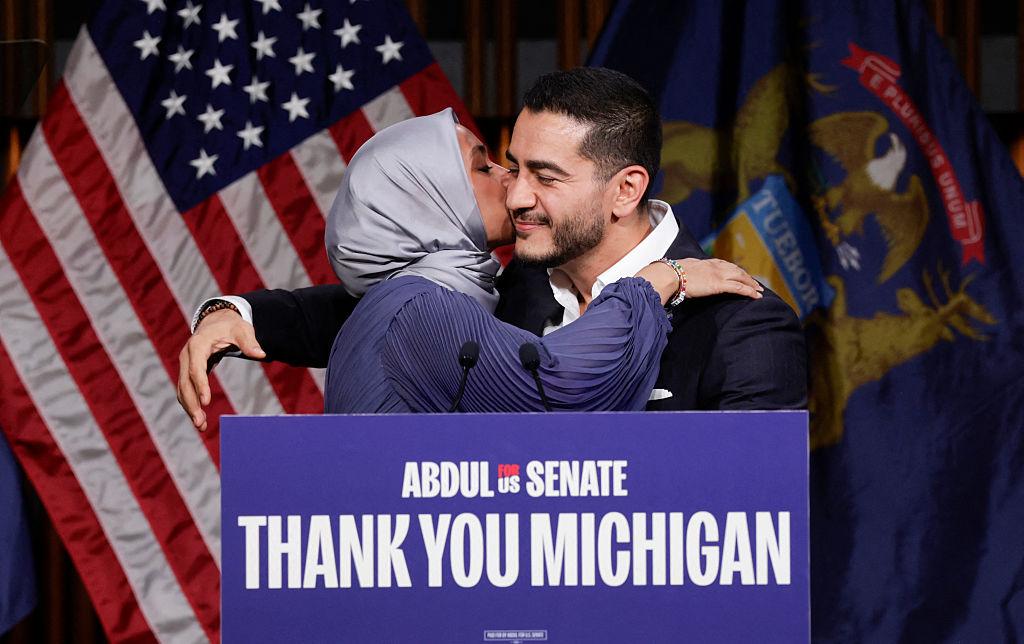
WASHINGTON, November 6, 2026 — Democrat Abdul El-Sayed has won one of America's most closely watched Senate races, defeating Republican Mike Rogers in Michigan and becoming the first Muslim elected to the United States Senate.
But behind the historic victory lies an extraordinary political twist.
Just 48 hours before Election Day, a prominent Democratic congresswoman who had previously challenged El-Sayed for the party's nomination publicly endorsed his Republican opponent.
The decision exposed divisions within the Democratic Party at a critical moment in the race.
Yet despite the last-minute controversy, millions of dollars in opposition spending and attacks over his religious identity, El-Sayed emerged victorious.
The result has raised a significant question about the future of Democratic politics: What happens when a party's internal disagreements become so intense that one of its own members openly supports the opposition?
A DEMOCRATIC RIVAL CROSSES PARTY LINES
The controversy erupted on November 1, when Michigan Democratic Rep. Haley Stevens announced her support for Republican Mike Rogers.
Stevens had lost to El-Sayed in Michigan's Democratic Senate primary in August.
The contest had been contentious, reflecting deeper disagreements within the party over Israel, foreign policy and the direction of its progressive movement.
But her decision to endorse Rogers went far beyond ordinary post-primary disagreements.
Rather than supporting her party's nominee, Stevens appeared alongside the Republican candidate at a church service in Detroit before announcing her endorsement.
Stevens said El-Sayed had made clear that she was no longer welcome in his campaign.
She also expressed concerns about his association with political streamer Hasan Piker, whose previous comments about Israel, Jews and the September 11 attacks had generated criticism.
Her announcement prompted national attention.
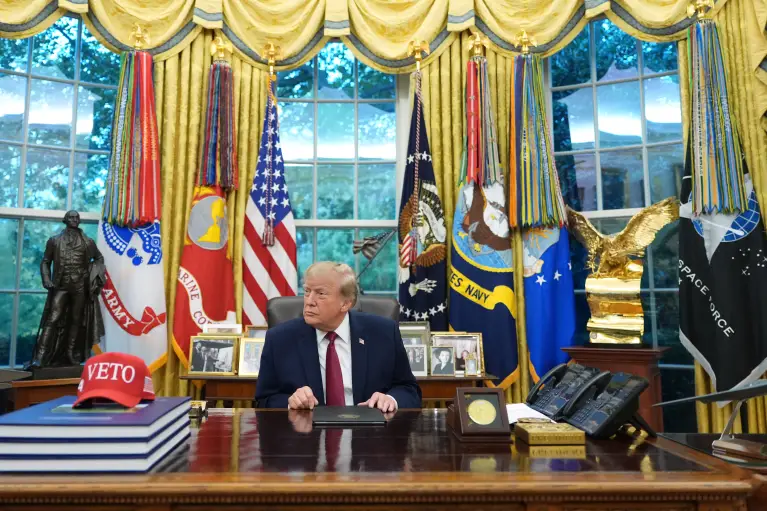
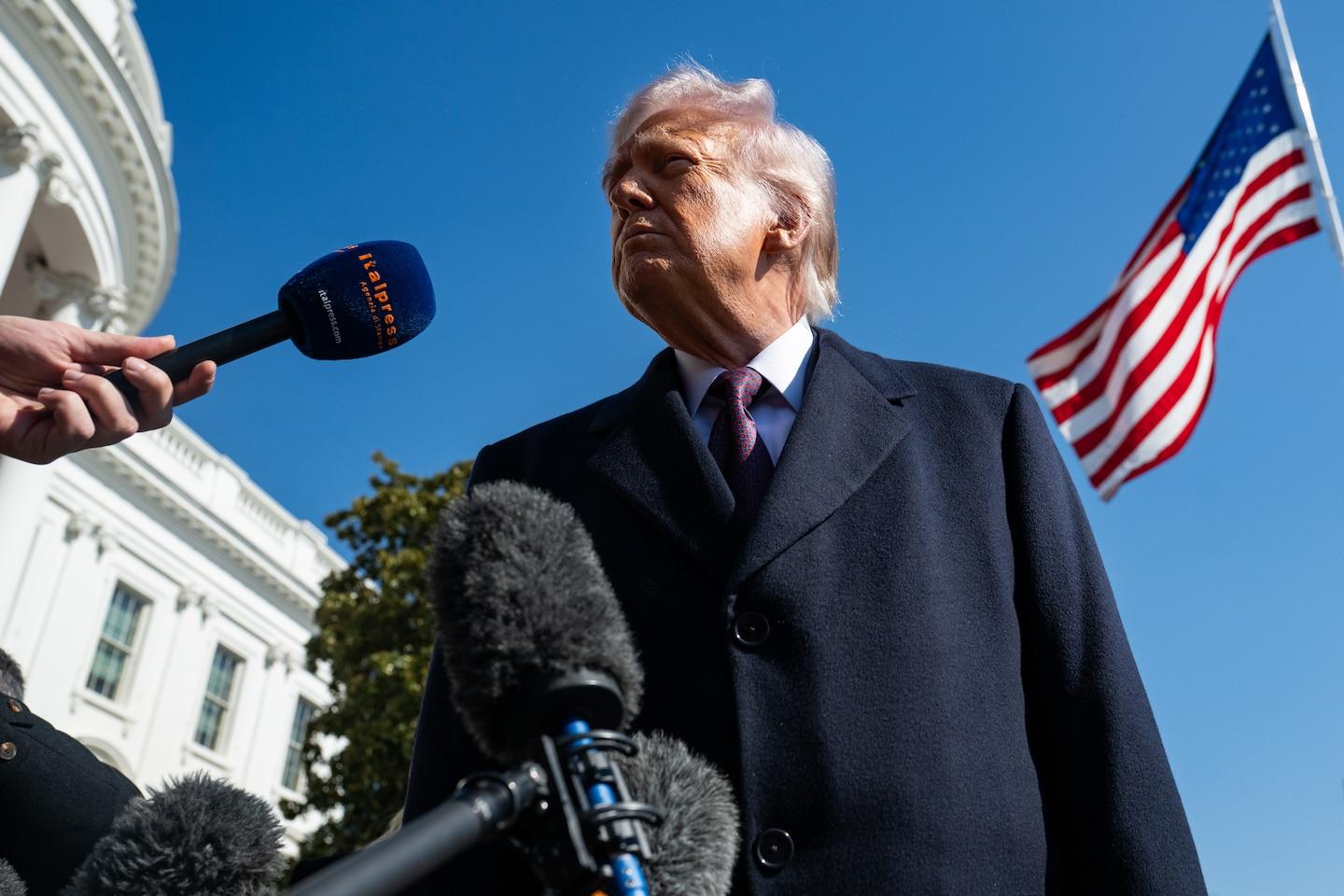
President Donald Trump publicly praised Stevens for crossing party lines and said he would welcome her into the Republican Party.
For Rogers, the endorsement offered an unusual opportunity to appeal to Democrats and independent voters dissatisfied with El-Sayed.
For El-Sayed, it presented another obstacle in an already difficult campaign.
A HISTORIC VICTORY DESPITE INTERNAL DIVISIONS
Two days later, Michigan voters delivered their decision.
El-Sayed defeated Rogers, flipping the open Senate seat from Republican control to Democratic control.
The victory marked a milestone in American political history.
Born in the United States to a family of Egyptian heritage, El-Sayed will become the first Muslim member of the U.S. Senate.
His political rise was far from straightforward.
Eight years earlier, he had suffered a double-digit defeat in Michigan's Democratic gubernatorial primary.
Before his Senate victory, he had never held elected office.
A physician and former public health official, El-Sayed built his campaign around universal health care, opposition to corporate influence in politics and criticism of U.S. foreign policy.
He received support from prominent progressive figures including Sen. Bernie Sanders and Rep. Alexandria Ocasio-Cortez.
Former President Barack Obama and former Vice President Kamala Harris also campaigned for him as Democrats worked to mobilize voters in Detroit.
But the campaign faced substantial challenges.
Outside organizations spent heavily during the Democratic primary, with the American Israel Public Affairs Committee investing nearly $30 million in efforts opposing El-Sayed.
His criticism of Israel and controversial remarks following an attack on a Michigan synagogue created friction with some Jewish voters. El-Sayed later apologized to people who felt hurt by his comments.
Those disagreements continued into the general election.
THE CAMPAIGN THAT TURNED RELIGION INTO A POLITICAL ISSUE 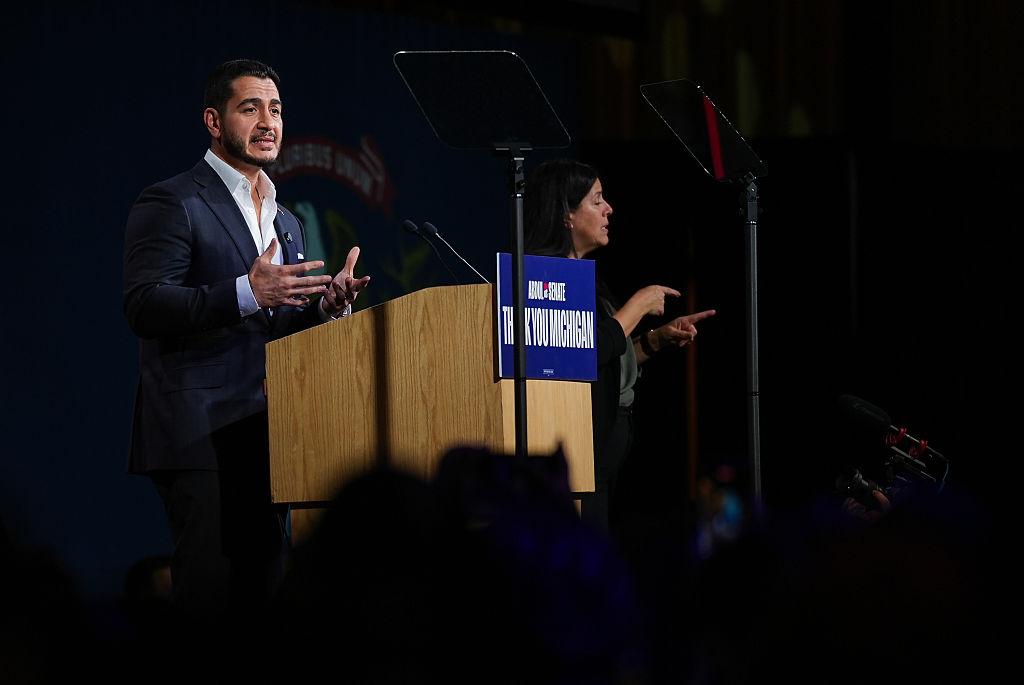
The contest was also marked by disputes over religion and national identity.
Trump and other Republicans repeatedly criticized El-Sayed, questioning his loyalty to the United States and attempting to associate him with extremist organizations.
There was no evidence supporting claims that he had ties to terrorist groups.
El-Sayed rejected those accusations and argued that Republicans were focusing on his background instead of the economic problems facing Michigan families.
His campaign sought to shift attention toward rising household costs, health care and the effects of the war with Iran.
Rogers, a former congressman and former chairman of the House Intelligence Committee, faced his own political difficulties.
He had moved closer to Trump after previously criticizing him, but the president's policies presented challenges in Michigan.
Higher fuel prices, economic uncertainty linked to tariffs and opposition to the Iran war complicated Rogers' campaign.
In September, Rogers publicly called for the conflict with Iran to end quickly.
His position illustrated the difficult balance facing Republican candidates attempting to maintain Trump's support while responding to voter frustration over the war.
WHY MICHIGAN'S RESULT MATTERS BEYOND ONE SENATE SEAT
Michigan has long been regarded as a competitive state in American national elections.
Trump carried the state in the 2024 presidential election, while Democrat Elissa Slotkin narrowly defeated Rogers in a Senate contest that same year.
The 2026 race therefore became another major test of both parties' ability to appeal to swing-state voters.
El-Sayed's victory is particularly significant for progressive Democrats.
His campaign promoted Medicare for All, a proposal to establish a government-run, single-payer health insurance system.
He also called for reducing the influence of major donors and outside spending in elections.
Those positions have generated disagreements within the Democratic Party, particularly among moderates concerned about their appeal in competitive districts.
Nevertheless, Michigan voters elected him despite those disagreements.
The result provides progressive leaders with a concrete electoral example as Democrats debate their political direction ahead of the 2028 presidential election.
It does not establish that the same strategy will succeed everywhere.
Michigan's particular political environment, Republican challenges and the broader national election climate all played roles in the outcome.
THE UNRESOLVED DIVIDE INSIDE THE DEMOCRATIC PARTY
Although El-Sayed secured the Senate seat, the dispute with Stevens exposed tensions that are unlikely to disappear immediately.
Democrats must still navigate disagreements over foreign policy, campaign spending, ideology and the role of prominent political activists.
Stevens' decision to support a Republican opponent demonstrates how deeply those divisions can run.
At the same time, El-Sayed's victory shows that a candidate can survive a highly publicized break with a member of his own party.
For Republicans, the result raises questions about how to compete in Michigan following another Senate defeat.
For Democrats, it creates a different debate: How should the party reconcile its progressive and moderate wings while governing with new congressional majorities?
El-Sayed now moves from campaigning to preparing for his first elected office.
His victory has already secured a place in American political history.
But perhaps the most revealing lesson from Michigan is that one of the election's most consequential political confrontations did not occur solely between Democrats and Republicans.
It also unfolded inside the Democratic Party itself.
And while voters have settled the Senate race, the broader argument over the party's future is far from finished.