Elon Musk Distances Himself From Trump's MAGA Movement After Spending Over $400 Million on Republicans as Democrats Prepare to Take Control of Congress
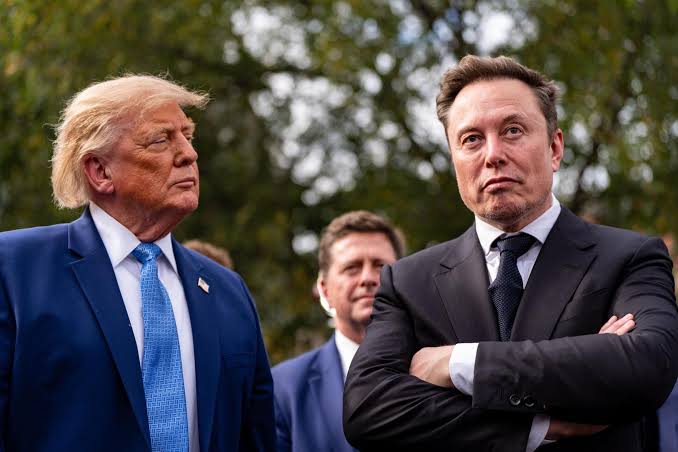
ATLANTA — November 19, 2026 — Billionaire entrepreneur Elon Musk is publicly distancing himself from President Donald Trump's Make America Great Again movement after spending more than $400 million supporting Republican candidates in the 2026 midterm elections.
The shift comes after Democrats achieved sweeping election victories, leaving Musk and other prominent technology executives facing a different political environment in Washington.
Speaking at The New York Times DealBook Summit on Wednesday, November 18, Musk said he does not consider himself a committed MAGA supporter and expressed regret over the enormous amount of money he invested in Republican election campaigns.
His comments marked a notable change in tone for the Tesla and SpaceX chief executive, who previously appeared alongside Trump at major political events and served as one of the administration's most prominent advisers.
Yet the president responded without publicly breaking with Musk.
In a telephone interview Thursday, Trump described the billionaire as a friend and defended his intentions.
The developments raise questions about Musk's political future, the relationship between major technology companies and the federal government, and how the incoming Democratic-controlled Congress intends to scrutinize the industry.
Elon Musk Publicly Distances Himself From MAGA
Musk's remarks came during an interview at the DealBook Summit, where he reflected on his political involvement and the results of the November elections.
The billionaire said he does not identify with MAGA if the term requires unquestioning loyalty to Republican policies.
He also acknowledged that he sees strengths and weaknesses in both major political parties.
That position contrasts with the prominent role Musk played in Trump's political movement over the previous two years.
During Trump's return to the White House, Musk was among the president's most visible supporters.
He appeared at campaign events, supported Republican candidates financially and publicly embraced the movement's messaging.
At one point, he wore a MAGA hat during a White House appearance and promoted his own variation of the movement's branding.
His latest comments suggest a more independent political identity, although they do not establish that he has formally ended his relationship with the president or the Republican Party.
More Than $400 Million Spent on Republican Campaigns
Musk was one of the most significant financial supporters of Republican candidates during the 2026 midterm elections.
According to Associated Press reporting, he spent more than $400 million backing candidates aligned with Trump.
Approximately $200 million of that spending supported Texas Republican Senate candidate Ken Paxton.
Paxton ultimately lost to Democrat James Talarico.
The defeat was particularly notable because of the enormous financial resources directed toward the race.
Musk's broader political spending included support for other Republicans seeking congressional and statewide offices.
Despite that investment, Democrats won major victories across the country.
At the DealBook Summit, Musk acknowledged that he would probably have spent less money if he could reconsider his decisions.
He expressed frustration that such a substantial investment had produced comparatively limited political success.
However, Musk also recognized that election outcomes depend on more than campaign financing.
His comments reflected the gap between financial spending and the results achieved by the candidates he supported.
Trump Says Musk Is Still His Friend
President Trump responded Thursday to Musk's changing political language.
During a telephone interview with NBC News, Trump maintained that Musk remained a friend.
The president also described Musk as someone with positive intentions and recalled the time they had spent together.
The response contrasted with earlier periods when their relationship had become openly contentious.
Trump and Musk have experienced political disagreements, public criticism and periods of cooperation.
At different times, Musk has served as a close adviser, a major political donor and a vocal critic of administration decisions.
Despite that complicated history, Trump did not announce any new break with the billionaire following Wednesday's remarks.
He did, however, reiterate that MAGA has a particular meaning to him and suggested that people who move away from the movement can encounter political difficulties.
The president did not provide a detailed explanation of what consequences, if any, he believed Musk would face.
The exchange demonstrated that their relationship remains significant even as Musk publicly reconsiders his identification with the political movement.
From Trump's Inauguration to Political Regret
Musk's current position represents a contrast with his enthusiastic support during Trump's second inauguration.
On January 20, 2025, the billionaire sat among prominent technology executives attending the presidential ceremony.
He later appeared at a Trump rally in Washington, where he praised the election victory as an important turning point.
Musk also became a leading figure in the administration's Department of Government Efficiency, commonly known as DOGE.
The initiative was designed to examine federal spending and government operations.
His role made him one of the most recognizable figures associated with Trump's administration.
For several months, Musk was deeply involved in political debates extending beyond his responsibilities as a technology executive.
That prominence also exposed his companies and business decisions to additional political scrutiny.
By November 2026, however, his public description of his political identity had changed.
Rather than presenting himself as a committed member of MAGA, Musk emphasized his independence from unquestioning party loyalty.
Democrats Prepare to Take Control of Congress
Musk's remarks came after Democrats won significant victories in the November 3 midterm elections.
The party is preparing to assume control of Congress and additional state governments in January 2027.
Those results are particularly important for major technology companies because Democratic lawmakers have promised greater scrutiny of the industry.
During the election campaign, Democrats focused attention on artificial intelligence, the expansion of AI data centers and the relationships between technology executives and the Trump administration.
Some lawmakers questioned whether major technology firms had received favorable treatment through government policies and contracts.
Others raised concerns about the effects of expanding AI infrastructure on communities, electricity supplies and public resources.
With Democrats preparing to control congressional committees, those concerns could receive more attention through hearings and investigations.
The change in political leadership may therefore influence the environment in which Musk's businesses operate.
However, the election results do not establish that any of his companies violated the law.
Investigations and oversight proceedings would need to examine specific evidence before reaching conclusions.
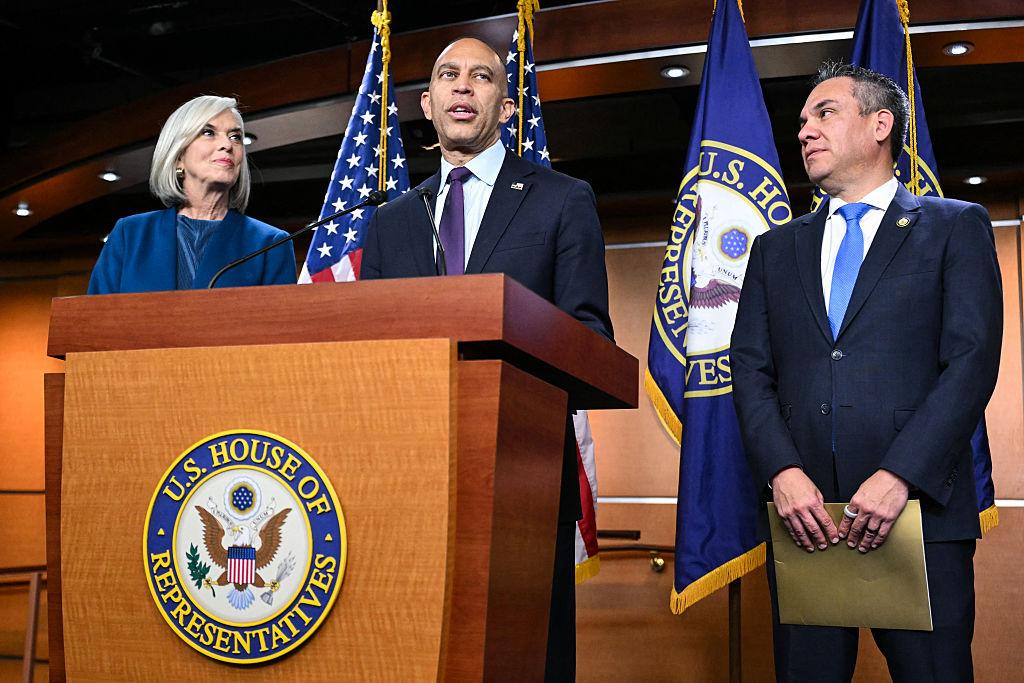
Senator Ruben Gallego Signals Continued Scrutiny
Not all Democratic lawmakers welcomed Musk's change in political tone.
Senator Ruben Gallego of Arizona responded to Musk's remarks on the social media platform X.
Gallego made clear that the billionaire's statements would not necessarily prevent congressional scrutiny.
His response indicated that Democrats intend to continue examining the relationship between technology companies and the Trump administration regardless of how their executives describe their political affiliations.
The issue is significant because Musk owns or leads businesses with substantial interests in federal policy.
SpaceX operates in industries involving government contracts and national security.
Tesla has interests affected by transportation, energy and industrial regulations.
Musk's artificial intelligence ventures also operate in a sector facing growing questions about oversight and infrastructure development.
Those business interests do not establish misconduct.
They do, however, help explain why lawmakers are interested in the interaction between major technology companies and federal decision-making.
Other Technology Executives Reconsider Political Labels
Musk is not the only prominent technology executive whose public political statements have attracted attention.
Alex Karp, the chief executive and co-founder of Palantir, has also emphasized his progressive political background.
Palantir develops software used by government agencies, including the U.S. Department of Defense.
Karp has previously adopted language associated with Trump's political messaging while also maintaining that his personal political identity is rooted in Democratic and progressive traditions.
In recent comments to Politico, he said he had long considered himself a Democrat.
He also expressed openness to supporting a Democratic presidential candidate in 2028.
Karp's comments illustrate the complicated political positions of some technology executives whose companies conduct business with the federal government.
Their personal views, public statements and corporate interests do not always align neatly with one political party.
The changing balance of power in Washington has brought those relationships into sharper focus.
Artificial Intelligence Becomes a Major Political Issue
Artificial intelligence has become one of the central subjects of debate surrounding large technology companies.
The industry is expanding rapidly, with companies developing advanced AI systems and constructing large data centers.
These facilities require significant amounts of electricity, physical infrastructure and investment.
The expansion has prompted questions about environmental effects, energy costs and the economic consequences for nearby communities.
Democratic candidates raised these issues during the midterm campaign, according to AP.
They also criticized relationships between prominent technology executives and the Trump administration.
The incoming Congress is preparing to examine those concerns.
Potential areas of oversight include government contracts, AI regulation and the development of data center infrastructure.
Musk's businesses operate in several sectors affected by these policy debates.
As a result, the shifting political environment could have implications for his companies, although the specific outcomes of future legislation or investigations remain unknown.
Political Spending Does Not Guarantee Electoral Success
One broader issue raised by Musk's remarks concerns the influence of money in American elections.
His spending exceeded $400 million during the 2026 midterm cycle.
Yet many candidates and political causes he supported did not achieve the results he sought.
The experience led Musk to question whether allocating such large sums to political campaigns had been worthwhile.
Political donations can finance advertising, voter outreach and other election activities.
However, the outcome of a race also depends on candidates, local conditions, public opinion and a variety of additional factors.
Musk's comments acknowledged that spending alone cannot determine election results.
That observation carries particular relevance because his financial involvement was so extensive.
The billionaire remains capable of influencing political discussions through his financial resources, business prominence and ownership of X.
However, he has not publicly committed in the AP report to a specific level of campaign spending for future elections.
What Does Musk's Shift Mean for Trump?
The relationship between Trump and Musk remains important because of their history of cooperation and disagreement.
Musk played a visible role in helping Trump return to the White House.
He subsequently became involved in government initiatives and maintained close connections with administration officials.
Their relationship later experienced periods of public tension.
The latest comments add another chapter to that history.
Musk is now emphasizing distance from the MAGA label, while Trump continues to describe him as a friend.
Those two positions are not necessarily incompatible.
An individual can reject identification with a political movement while maintaining personal or professional relationships with its leaders.
The AP report does not establish that Musk has joined the Democratic Party or pledged to support Democratic candidates.
Nor does it confirm a complete political reconciliation or a permanent break between Musk and Trump.
The practical meaning of his remarks will depend on future statements, political spending and business decisions.
What Happens Next?
The next major development will be the transition to the new Congress in January 2027.
Democrats have indicated that they intend to investigate relationships between the Trump administration and major technology companies.
Musk and other executives could therefore face increased requests for information and congressional scrutiny.
At the same time, Trump remains president, and his administration continues to influence federal policies affecting technology, transportation, energy and national security.
For Musk, the changing political environment creates questions about how he will approach future elections and relationships with government officials.
He has acknowledged disappointment over his midterm spending but has not announced a definitive end to political donations.
Trump has publicly maintained their friendship.
Democratic lawmakers, meanwhile, have indicated that Musk's revised political language will not necessarily change their oversight plans.
The central question is whether Musk's decision to distance himself from MAGA represents a lasting change in his political involvement — or simply a new way of describing his independence after a costly and disappointing election cycle.
For now, one thing is clear: after spending hundreds of millions of dollars supporting Republicans, Musk is reassessing his political identity at the same time Washington prepares for a major change in congressional leadership.
His comments have drawn attention not only because of his relationship with Trump, but also because they reveal the complicated intersection of political money, technology businesses and federal power in the United States.