GUNMAN STORMS CITIBANK OVER A $2,500 DEBT — BUT ONE SECURITY OFFICER MAY HAVE PREVENTED A MUCH DEADLIER ATTACK
TAMPA, FLORIDA, November 6, 2026 — A dispute over a $2,556 credit card debt ended in deadly violence at a Citibank office campus in Florida, where a gunman crashed through a security gate, opened fire on an employee and entered a crowded workplace carrying enough ammunition to raise fears of a far greater tragedy.
But investigators say the attack was stopped within minutes by an armed member of Citibank's own security team.
The gunman, identified as 35-year-old Jacob Pearson of Orlando, had brought approximately 90 rounds of ammunition to the campus, where roughly 3,200 people worked.
He fired 15 rounds before being stopped.
One employee, 41-year-old Leanne Selman, was killed. Pearson later died at a hospital after being shot by the security officer.
The attack has left investigators examining how an ordinary debt collection case escalated into a fatal workplace shooting — and how the actions of one security employee prevented further casualties.
A $2,556 DEBT AND A THREAT HOURS BEFORE THE SHOOTING
According to the Hillsborough County Sheriff's Office, the violence began with a dispute over an unpaid Citibank credit card balance.
Court records showed that Pearson owed $2,556.40 and had received a summons related to a small-claims case.
On the morning of November 4, at approximately 9 a.m., Pearson contacted an attorney's office involved in collecting the debt.
Sheriff Chad Chronister said Pearson became angry about the court proceedings and threatened to arrive at Citibank's offices armed with a rifle and wearing body armor unless the case was canceled.
The threat was taken seriously.
Citibank's security officials contacted law enforcement, and officers in Orlando attempted to locate Pearson.
By the time they reached his residence, he had already left.
His wife reportedly told investigators that he had appeared angry but that she did not know where he had gone.
Authorities then alerted law enforcement agencies near Citibank's Tampa-area campus.
What investigators did not know was whether Pearson intended to carry out his threat.
Within hours, they had their answer. 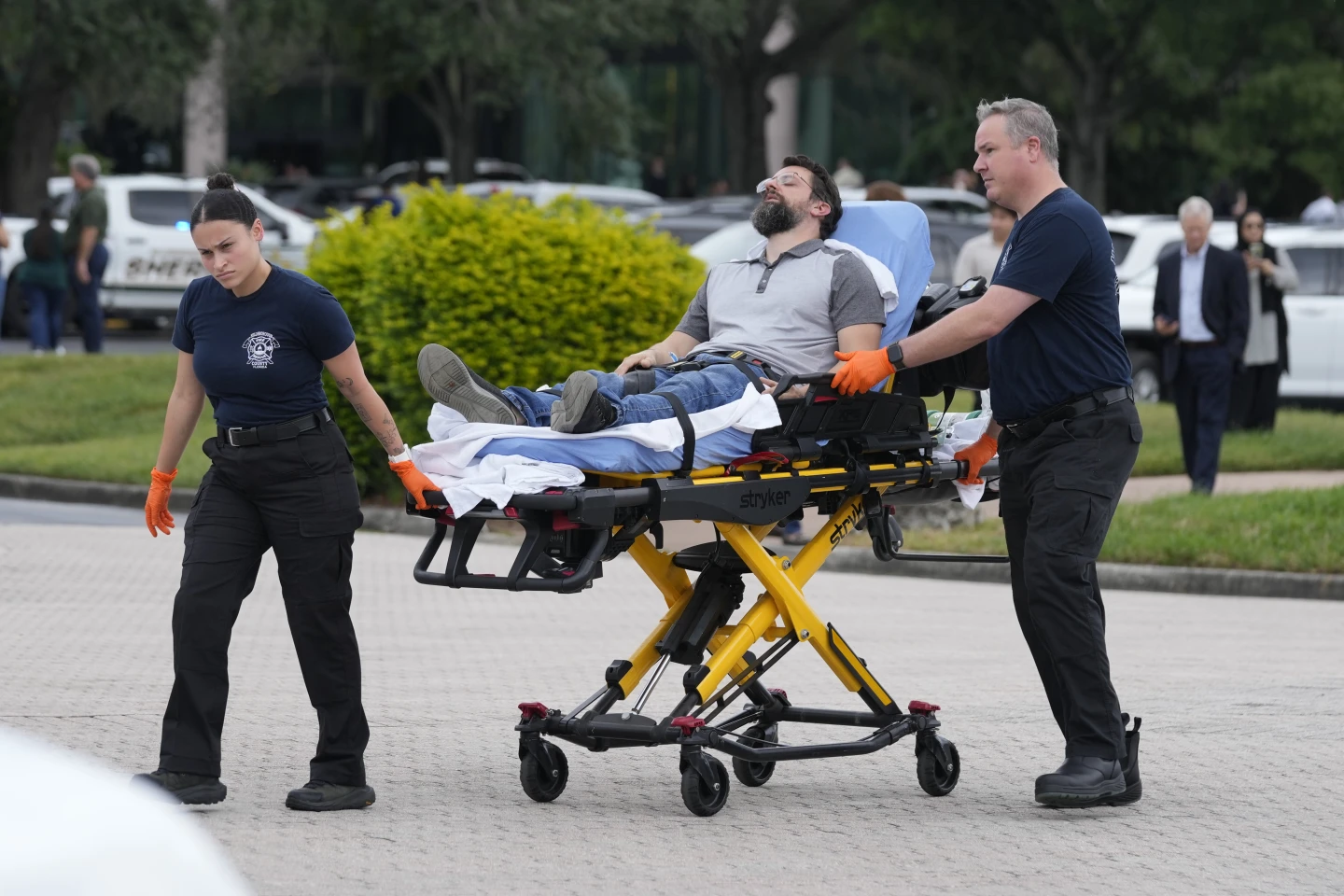
THE MOMENT A WORKPLACE TURNED INTO A CRIME SCENE
At approximately 12:10 p.m., Pearson arrived at the Citibank complex and crashed his vehicle through a security gate.
The campus included multiple office buildings and areas where employees were gathering during their lunch break.
Investigators say Pearson exited the vehicle carrying a rifle and approached the first employee he encountered.
That employee was Leanne Selman.
According to the sheriff, Pearson fired several shots at Selman before his rifle malfunctioned.
He then returned to his vehicle, retrieved a handgun and shot her again.
Selman was pronounced dead at the scene.
Authorities said she had no known personal connection to the attacker.
She had worked for Citibank for nine years and served in a role connected to the company's security and investigative services.
Her death transformed an ordinary workday into a tragedy for her family, colleagues and the wider Tampa community.
But investigators believe the danger did not end with the first victim.
The gunman continued moving through the complex.
ONE SECURITY OFFICER CONFRONTED THE ATTACKER
As employees fled the gunfire, Pearson entered a cafeteria inside the office building.
There, he encountered John Fraley, a 38-year-old member of Citibank's armed security team.
Fraley was also a company vice president and intelligence lead analyst, according to the sheriff's office.
Authorities said Fraley had responded to the gunfire and positioned himself to confront the threat.
A gunfight followed.
Fraley struck Pearson five times, bringing the attack to an end within minutes of the first shots.
Deputies reached the cafeteria and began providing medical assistance.
Pearson was transported to Tampa General Hospital, where he was pronounced dead at 1:12 p.m.
Investigators later determined that the attacker had brought approximately 90 rounds of ammunition to the campus.
Only 15 had been fired.
The remaining ammunition became one of the most disturbing details of the investigation.
Although authorities cannot establish exactly what would have happened without Fraley's intervention, Sheriff Chronister said the rapid response likely prevented additional deaths.
WHY THE DEATH TOLL WAS NOT HIGHER
The investigation revealed that several factors may have limited the scale of the attack.
First, Citibank's security team had been warned that Pearson might pose a threat before he arrived.
Second, law enforcement was already responding to the campus when the shooting began.
Third, Pearson's rifle malfunctioned after he initially opened fire.
And finally, Fraley confronted the gunman before he could shoot additional employees.
The sheriff credited the security team's preparedness and swift response with preventing the violence from becoming even more catastrophic.
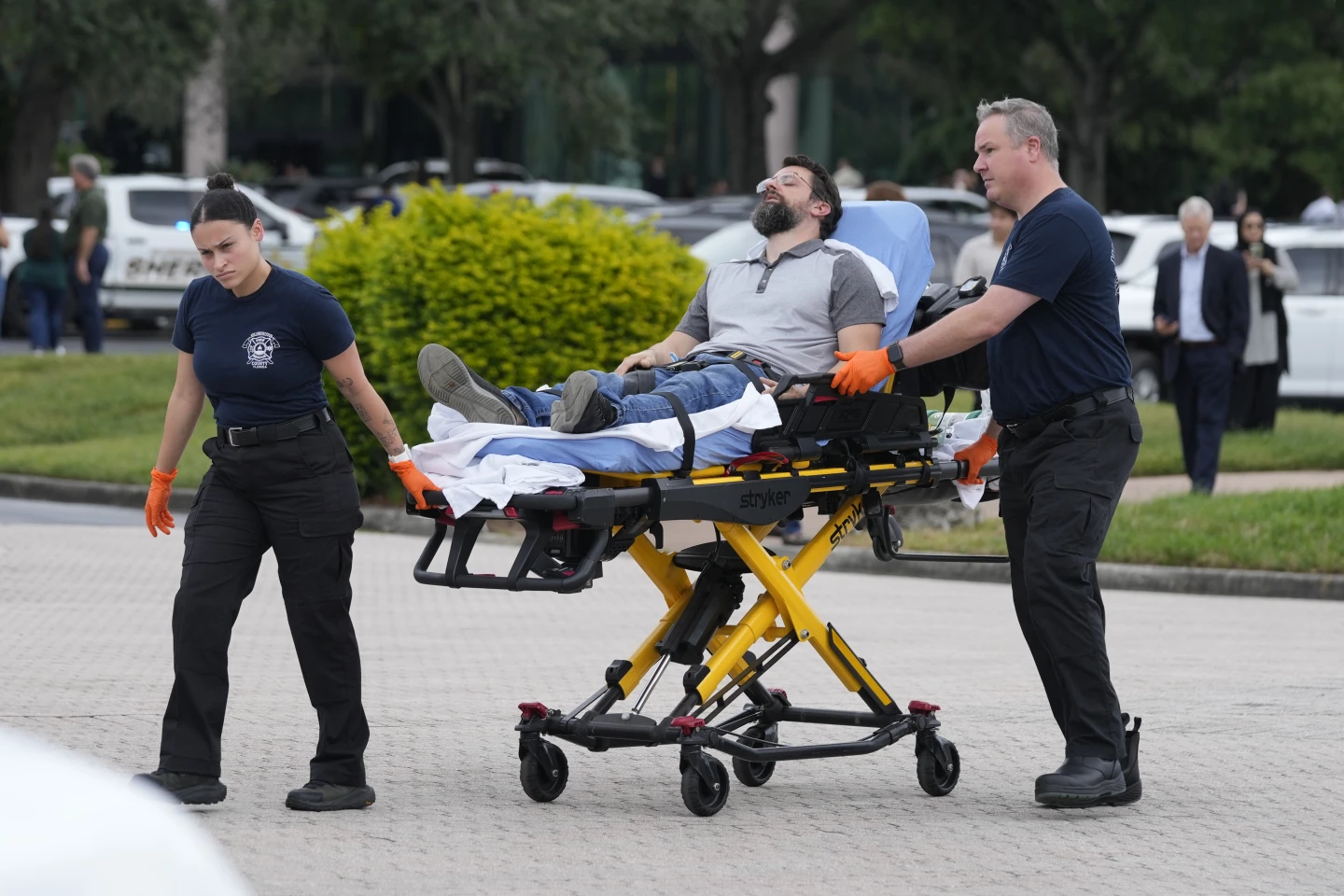
Four other people were taken to hospitals during the incident for minor injuries or medical concerns associated with the emergency.
All were subsequently released.
The security response has drawn attention because the attack occurred in a large corporate workplace where thousands of employees could potentially have been exposed to danger.
But the sheriff emphasized that even one death was an unacceptable outcome.
THE WOMAN WHO NEVER RETURNED HOME
While much of the attention has focused on the attacker's actions and the security response, the victim's identity underscores the human cost of the shooting.
Leanne Selman was 41 years old and had spent nearly a decade working for Citibank.
Company representatives described her as a valued colleague whose death deeply affected employees.
Investigators have found no indication that Selman was personally involved in Pearson's financial dispute.
According to authorities, the gunman targeted the company and attacked an employee who happened to be in his path.
Her death left colleagues confronting the reality that a workplace could become the scene of deadly violence without warning to the individual victim.
Citigroup officials said employees would be allowed to work remotely while the company addressed the aftermath of the attack.
The company also pledged support for those affected.
WHAT INVESTIGATORS STILL NEED TO UNDERSTAND
Authorities say Pearson had no known criminal history.
His father told The Associated Press that he had not previously observed behavior suggesting his son was capable of such violence.
Those details have added another dimension to the investigation.
Law enforcement officials have identified the debt dispute as the immediate trigger behind Pearson's threats and attack.
However, investigators have not publicly established every factor that contributed to his decision to carry out the shooting.
The case also raises broader questions about how institutions respond when a person makes a specific threat against a workplace.
In this instance, the threat was reported, police attempted to locate the suspect, and security personnel were preparing for a possible confrontation.
Even those measures could not prevent the death of an innocent employee.
A TRAGEDY STOPPED, BUT NOT PREVENTED
The Citibank shooting illustrates how quickly a reported threat can develop into a deadly emergency.
A court summons involving a relatively modest credit card debt preceded a violent attack at a workplace occupied by thousands of employees.
One woman lost her life.
The gunman died after being confronted by an armed security officer.
And authorities say the rapid intervention likely prevented more people from being killed.
The investigation remains active as the sheriff's office continues examining the circumstances surrounding the attack.
For Citibank employees, the immediate challenge is recovering from a tragedy that has profoundly affected their workplace.
For the wider public, the case raises an unsettling question:
When a violent threat is reported hours before an attack, how much can authorities realistically do to stop it?
In Tampa, the warning prompted an emergency response, but it did not arrive soon enough to save Leanne Selman.
The intervention of one security officer brought the violence to an end.
Yet the loss of her life remains the defining tragedy of the case.