Iran Sends Trump Nuclear Proposal Through Qatar but Demands Seven Concessions Before Talks Can Begin
**DUBAI — November 7, 2026**
Iran has delivered a new nuclear proposal to the United States through Qatar, opening a potential diplomatic channel as tensions between Washington and Tehran remain dangerously high following months of war.
But the proposal comes with a major obstacle: Iranian officials insist that the United States must satisfy seven conditions before formal negotiations can begin.
A senior Iranian official told Reuters on Thursday, November 5, that Washington was reviewing the proposal. The official declined to disclose its contents, leaving significant questions about what Tehran is offering and whether President Donald Trump's administration would consider accepting its demands.
The development comes as international mediators intensify efforts to prevent renewed fighting, while both sides continue signaling their willingness to use military force.
## Iran Sends Nuclear Proposal Through Qatar
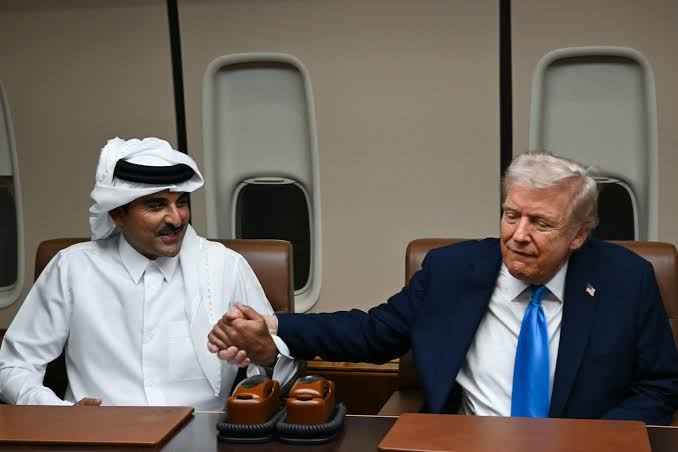
The latest diplomatic development centers on Qatar, which has served as an intermediary in communications between the United States and Iran.
According to a senior Iranian official who spoke to Reuters on condition of anonymity, Tehran transmitted a proposal addressing its nuclear program through Qatari channels.
The official said American authorities were reviewing the document but provided no additional details about its contents.
The transmission represents an important diplomatic development, although it does not establish that the two governments have agreed to begin negotiations.
Iran has made clear that any substantive discussion must follow the fulfillment of its conditions.
Washington, meanwhile, wants nuclear matters included in the initial negotiating process.
That difference creates an immediate obstacle.
Both governments have indicated interest in resolving elements of the crisis, but they disagree over what must happen before talks can proceed.
## Tehran Demands Seven Conditions Before Negotiations
Iranian security official Mohsen Rezaei reinforced Tehran's position during a visit to Russia on Thursday.
Rezaei said Iran had formally communicated seven conditions to the United States and would not resume negotiations until those requirements were satisfied.
Among the demands identified by Iranian officials are the removal of American economic sanctions, the release of frozen Iranian assets and compensation for damage caused by the war.
Tehran has not publicly detailed all seven conditions in the Reuters report.
The demand for war reparations is particularly contentious because it would require Washington to consider financial compensation connected to military operations against Iran.
Sanctions relief presents another major challenge.
Economic restrictions have long been a central instrument of American pressure against Tehran, particularly over its nuclear activities.
Iran argues that economic relief is necessary before a broader diplomatic settlement can advance.
The United States, however, maintains that restrictions on Iran's nuclear program must be part of the negotiations from the beginning.
Neither government has publicly announced a compromise resolving these opposing positions.
## Strait of Hormuz Becomes a Central Bargaining Point
The disagreement extends beyond nuclear facilities and economic sanctions.
Iran has linked the reopening of the Strait of Hormuz to the fulfillment of its demands.
The narrow waterway connects the Persian Gulf with the Gulf of Oman and is a strategically important route for international energy shipments.
Disruptions affecting the strait can have consequences for oil transportation, shipping costs and global energy markets.
Rezaei stated that Iran would not reopen the passage or participate in negotiations until Washington met the seven conditions.
His remarks place maritime access alongside nuclear policy and financial compensation as a central issue in the diplomatic dispute.
For the United States and other countries dependent on secure shipping routes, restoring reliable passage through the strait remains an important objective.
For Iran, the waterway represents a source of negotiating leverage.
The two sides have not announced an agreement resolving the dispute over access.
## Trump Leaves Possibility of Renewed Military Operations Open
The diplomatic initiative comes amid concerns that military hostilities could intensify again.
On Tuesday, November 3, Trump declined to rule out renewed American combat operations against Iran after the U.S. midterm elections.
Iranian officials have also warned that Tehran could respond with broader retaliation if fighting resumes.
Those statements have increased the urgency of mediation efforts.
The conflict began on February 28, 2026, when the United States and Israel launched attacks against Iran.
Tehran responded with strikes against Israel and Gulf countries hosting American military installations.
The confrontation subsequently spread beyond Iran's borders.
In Lebanon, fighting erupted between Israel and Hezbollah, the Iran-backed armed group.
The conflict later extended to Yemen, where the Iran-aligned Houthi movement launched attacks against energy facilities, airports and other targets in Saudi Arabia.
These developments have increased regional security concerns and complicated efforts to negotiate an end to the fighting.
## Nuclear Dispute Remains a Major Obstacle
Iran's nuclear program continues to be one of the central disagreements between Tehran and Washington.
American officials have insisted that nuclear issues must be addressed during any initial diplomatic negotiations.
Iranian officials, by contrast, have demanded economic and political concessions before entering those discussions.
The proposal transmitted through Qatar could provide a framework for future engagement, but its precise contents remain undisclosed.
It is therefore unclear whether Tehran has proposed specific changes to its nuclear activities, inspection arrangements or other restrictions.
The senior Iranian official who confirmed the proposal did not reveal whether it contained a timetable or detailed obligations for either side.
Without those details, the significance of the document remains difficult to evaluate.
The fact that Washington is reviewing the proposal, as reported by the Iranian official, does not mean that the Trump administration has endorsed its terms.
Nor does it establish that a nuclear agreement is imminent.
## Mediators Race to Prevent Another Escalation
International mediators have intensified efforts to reduce tensions between the United States and Iran.
The diplomatic urgency reflects concerns that renewed combat operations could prolong the war and deepen its regional consequences.
Qatar's involvement provides an indirect communication channel at a time when direct negotiations face considerable political obstacles.
However, the effectiveness of that channel depends on whether both governments are willing to modify their positions.
Iran wants its conditions fulfilled before negotiations begin.
Washington wants nuclear issues discussed from the outset.
Unless that disagreement is resolved, the existence of a proposal alone may not be sufficient to restart formal talks.
The risks of renewed fighting also remain, given the warnings issued by both sides.
## What Happens Next in the U.S.-Iran Nuclear Dispute?
The immediate focus is Washington's response to the proposal delivered through Qatar.
Iranian officials say the document is under American review, but the Trump administration has not publicly announced its acceptance.
No formal nuclear agreement or comprehensive settlement was reported in the November 5 Reuters account.
Several critical questions remain unresolved.
It is unclear whether the United States will consider any of Iran's conditions, whether Tehran will agree to begin negotiations before those demands are satisfied, or whether mediators can identify a compromise over the Strait of Hormuz.
The possibility of renewed military operations adds further uncertainty.
For Washington, the challenge is pursuing nuclear restrictions while responding to Iran's economic and security demands.
For Tehran, the central question is whether insisting on concessions before negotiations will produce results or prolong the diplomatic deadlock.
The new proposal has created another opportunity for communication, but it has not yet brought the two governments closer to a confirmed agreement.
As the conflict continues to affect security across the Middle East, the next major development will depend on whether diplomatic contacts can produce concrete commitments rather than competing demands.