# Qatar Warns of Escalation as Trump Weighs Iran Strikes — New Peace Talks Face Critical Test
**DOHA, Qatar — November 7, 2026**
Qatar says significant progress has been made in efforts to prevent another escalation between the United States and Iran, even as fresh reports of missile strikes and warnings of retaliation threaten to complicate negotiations.
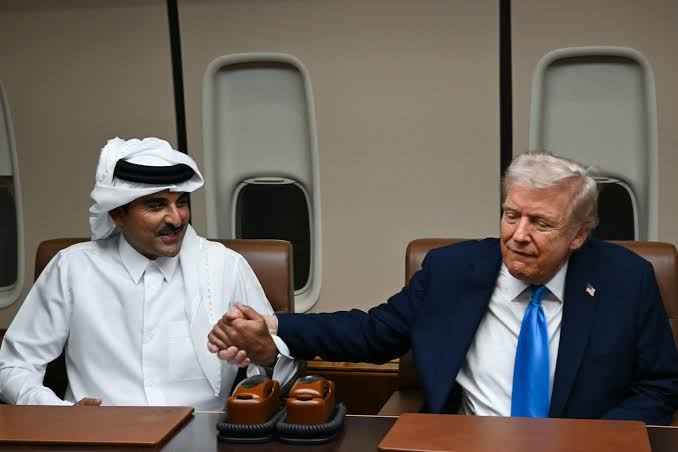
Qatari Prime Minister Sheikh Mohammed bin Abdulrahman Al-Thani said Saturday that mediation efforts were continuing and expressed confidence that an agreement could eventually be reached.
His remarks come amid growing concern across the Middle East that President Donald Trump could resume military operations against Iran following the November 3 U.S. midterm elections.
Despite signs of diplomatic progress, major disagreements remain over economic sanctions, Iranian assets and access to the strategically important Strait of Hormuz.
## Qatar Says Washington Remains Open to a Deal
Speaking in comments reported by Al Jazeera, Qatar's prime minister said the Trump administration remained willing to pursue a negotiated solution even after the U.S. midterm elections.
Al-Thani indicated that Washington's interest in reaching an agreement had not changed despite the shifting domestic political environment.
He also described the progress made through mediation as significant.
However, he urged both sides to focus on achieving a workable settlement rather than insisting on an ideal agreement that could prove impossible to negotiate.
His comments suggest that Qatar sees an opportunity for diplomacy, although neither Washington nor Tehran has announced a final agreement.
The precise terms of the progress described by Al-Thani were not disclosed in the Reuters report.
The distinction is important: continuing discussions and expressions of optimism do not establish that the two governments have resolved their central disagreements.
## Reports of Missile Strikes Raise Fresh Concerns
The diplomatic developments came as Iranian media reported possible new military activity near the Strait of Hormuz.
Iran's semi-official Tasnim news agency said Saturday that preliminary reports indicated two missiles had struck Qeshm Island.
The island occupies a strategically important position near the entrance to the Persian Gulf.
Tasnim reported that official information about possible damage was not yet available.
The United States had not announced an attack against targets inside Iran at the time of the Reuters report.
The origin of the reported missiles and the extent of any damage therefore remained unconfirmed.
Nevertheless, the reports added to concerns about renewed military confrontation.
Regional governments have been closely watching whether the United States will resume strikes after Trump held off on further attacks during the weeks leading up to the American elections.
Iran has repeatedly warned that additional attacks could trigger retaliation against American and Israeli targets in neighboring countries.
Those warnings have increased the urgency of Qatar's diplomatic efforts.
## Trump's Post-Election Decisions Under Scrutiny
The November 3 U.S. midterm elections have become an important point of reference in regional discussions about the conflict.
According to Reuters, governments across the Middle East had anticipated that Trump could resume military operations against Iran after the voting concluded.
The administration's earlier decision to hold off on strikes had created a temporary opportunity for diplomatic engagement.
However, no confirmed decision to launch a new military campaign was announced in the November 7 Reuters report.
For regional governments, uncertainty surrounding future American military action remains a major security concern.
Any renewed confrontation could increase risks to military installations, commercial shipping and civilian infrastructure.
Iran's warnings of retaliation have also raised concerns among neighboring states hosting American forces or facilities.
Qatar's diplomatic initiative is intended to prevent such an escalation while preserving a channel of communication between the two countries.
## Iran's Seven-Day Proposal Remains a Major Obstacle
One of the central disagreements concerns a proposal Iran has been promoting since September.
The seven-day plan outlines a sequence of measures that Tehran wants Washington to accept as part of a wider settlement.
Under the proposal, the United States would lift its blockade of Iranian ports and release frozen Iranian financial assets.
Washington would also approve an Iranian-backed shipping arrangement through the Strait of Hormuz.
Iran would then reopen the disputed waterway.
Trump has rejected the proposal so far.
The disagreement involves more than whether both governments want negotiations to succeed.
It concerns the order in which concessions would be implemented and the conditions each side would accept.
Iran wants economic and maritime restrictions addressed as part of the initial arrangement.
Washington has not accepted Tehran's proposed sequence.
That difference remains a significant obstacle for mediators seeking to transform diplomatic discussions into concrete commitments.
## Strait of Hormuz Remains Central to the Negotiations
The Strait of Hormuz is one of the world's most important maritime routes for energy transportation.
Located between Iran and Oman, the waterway connects the Persian Gulf with international shipping lanes.
Disruptions there can affect commercial shipping, energy markets and countries dependent on oil and gas imports.
Iran's proposal links the reopening of the strait to American concessions involving sanctions, frozen assets and shipping arrangements.
The United States has not accepted that framework.
For Qatar and other regional governments, resolving the dispute is important because prolonged instability in the waterway could create additional economic and security risks.
A separate report by the Financial Times described discussions about an interim arrangement that could allow shipping to resume in exchange for steps involving economic restrictions and Iranian assets.
However, substantial differences remain, including the sequencing of concessions and disputes over Iran's nuclear program.
These unresolved issues help explain why diplomatic optimism has not yet produced a comprehensive settlement.
## Regional Mediators Push for Compromise
Qatar has emerged as an important intermediary in efforts to reduce tensions between Washington and Tehran.
Its role involves encouraging continued communication and helping the sides explore possible compromises.
The latest comments from Al-Thani suggest that Qatar believes a practical agreement remains achievable.
However, the threat of renewed military operations complicates the process.
An additional strike, or retaliation by Iran, could undermine confidence and make negotiations more difficult.
The reported missile incident on Qeshm Island illustrates the uncertainty surrounding the diplomatic environment.
Although the reports have not established responsibility for the incident, they come at a particularly sensitive moment.
Mediators must therefore address both the immediate danger of military escalation and the broader disagreements preventing a settlement.
## What Happens Next Between Trump and Iran?
The immediate question is whether Qatar's continuing mediation can produce an agreement acceptable to both governments.
Al-Thani has expressed confidence that a settlement is possible, but no final deal has been announced.
Iran's seven-day proposal remains rejected by Trump, and the dispute over the Strait of Hormuz has not been resolved.
Meanwhile, the reported missile strikes on Qeshm Island and Tehran's threats of retaliation add uncertainty to the situation.
For Washington, the next steps could involve further diplomatic engagement, continued military restraint or a change in its approach to Iran.
For Tehran, the key question is whether American negotiators will consider modifications to the economic and maritime restrictions central to Iran's proposal.
Qatar's efforts demonstrate that diplomatic communication remains active despite the confrontation.
But the gap between expressions of progress and a binding agreement is still substantial.
As Middle Eastern governments watch for signs of renewed military action, the success or failure of the mediation effort could influence whether tensions ease or another round of fighting begins.