Russia and Ukraine Unleash Massive Drone Strikes as Trump’s Peace Envoy Signals Progress in Talks
**KYIV, Ukraine — November 6, 2026**
Russia and Ukraine exchanged large-scale drone attacks overnight as American and European officials continued high-level discussions aimed at securing Ukraine's future and laying the groundwork for ending the war.
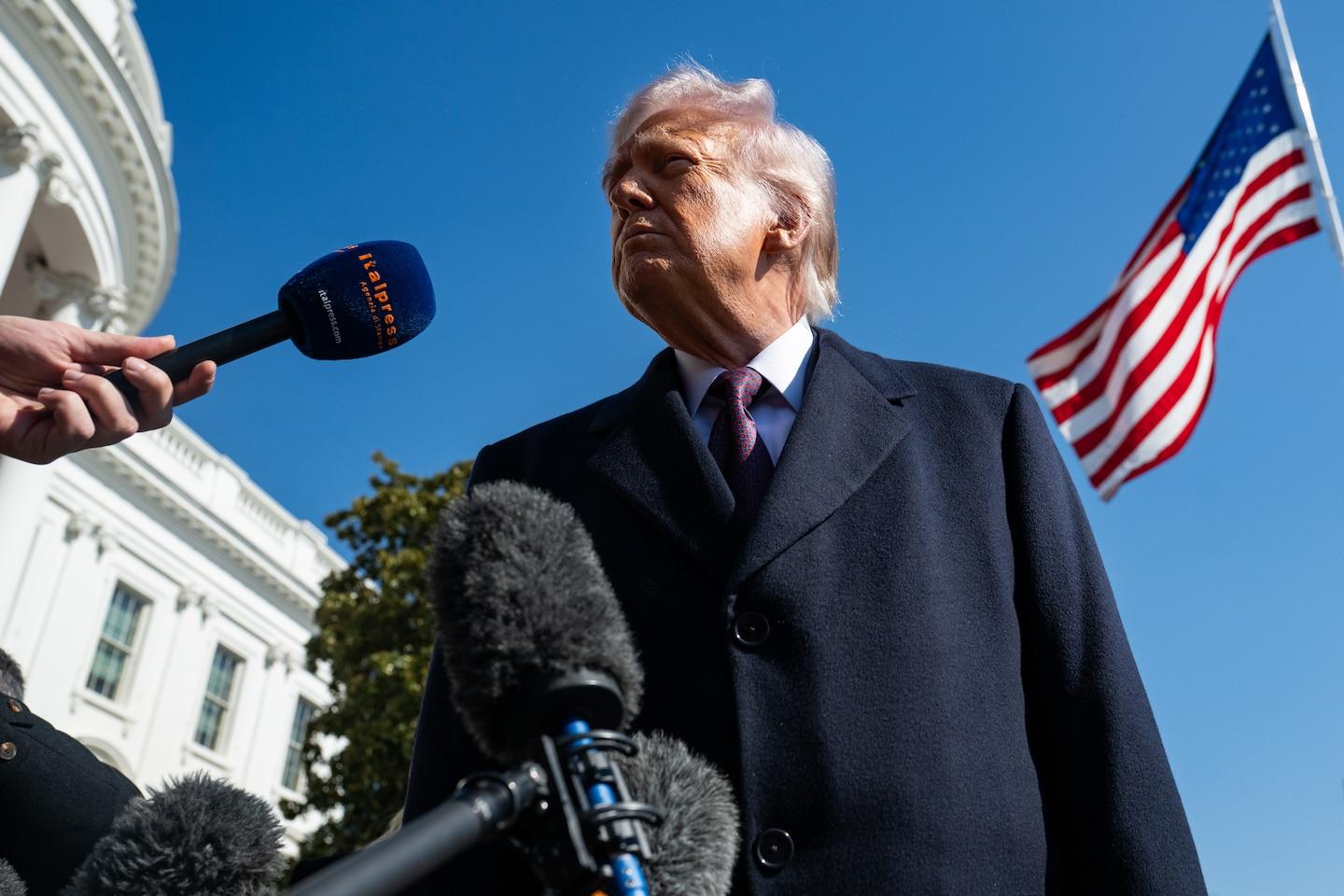
The renewed attacks on November 5 came as President Donald Trump's peace envoy, Jared Kushner, described international security and reconstruction talks in Brussels as productive.
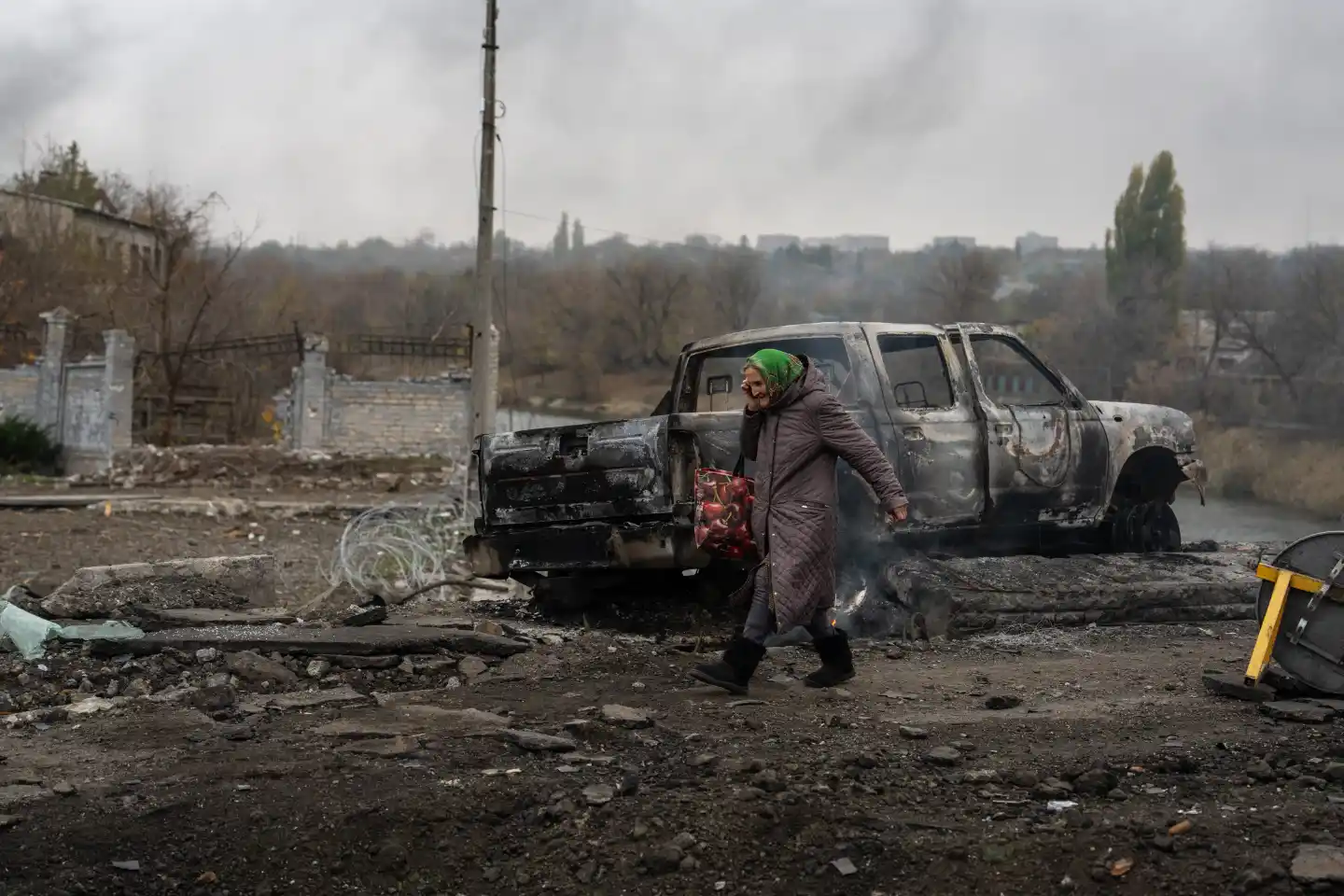
The contrast was striking: diplomats were discussing rebuilding Ukraine while fresh strikes damaged infrastructure, injured civilians, and underscored the enormous challenges facing any future peace agreement.
Meanwhile, Ukrainian President Volodymyr Zelenskyy confirmed that 43 people had died in a devastating Russian bombing earlier in the week, with rescue teams still searching for dozens of people believed trapped beneath the rubble.
## Hundreds of Drones Strike as Russia and Ukraine Escalate Aerial Attacks
The latest overnight exchanges highlighted the continuing intensity of the conflict.
Russia's Defense Ministry claimed its air defenses intercepted 496 Ukrainian drones across 13 Russian regions, Russian-annexed Crimea, and areas above the Black and Azov seas.
More than 200 drones reportedly targeted the Ryazan region southeast of Moscow.
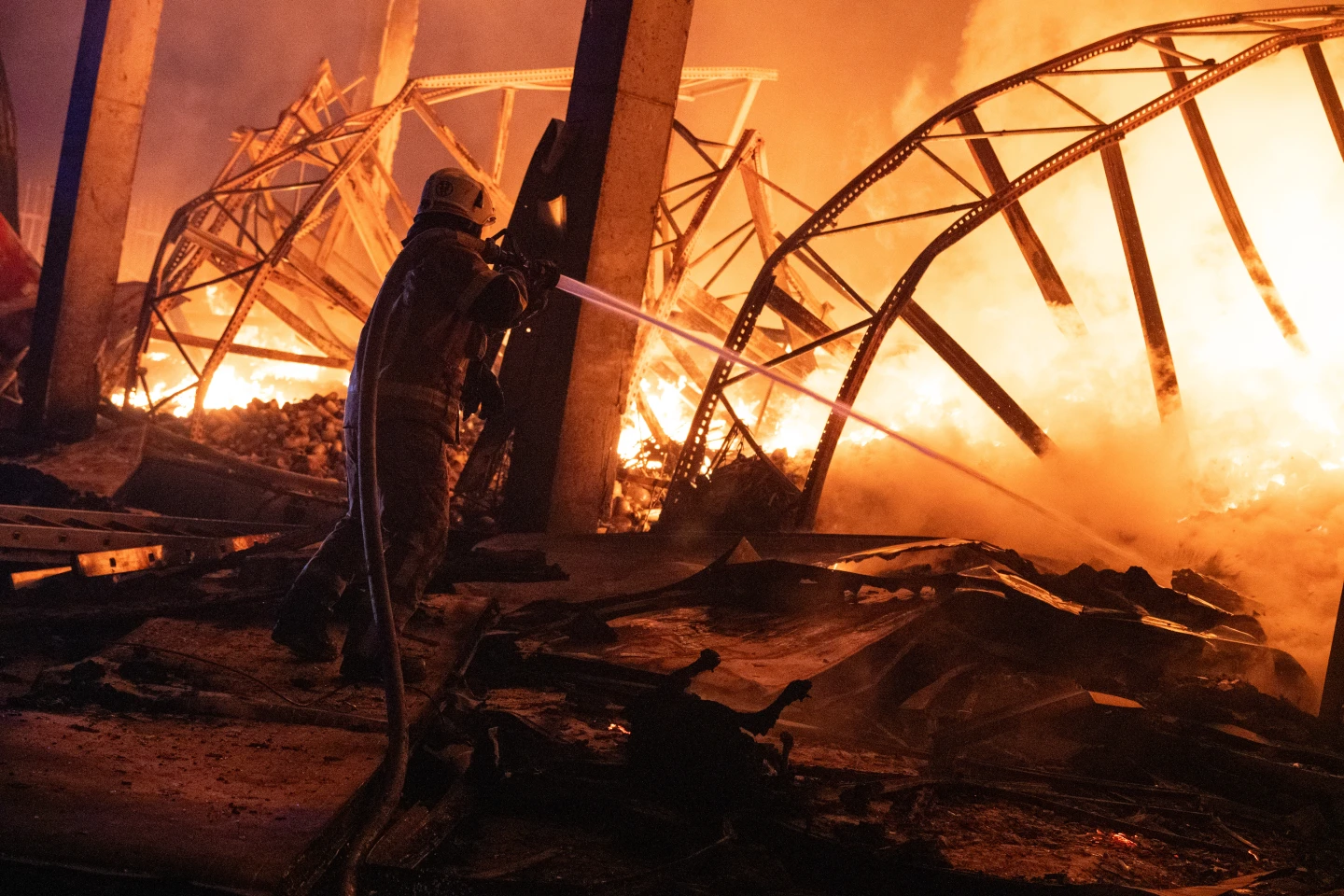
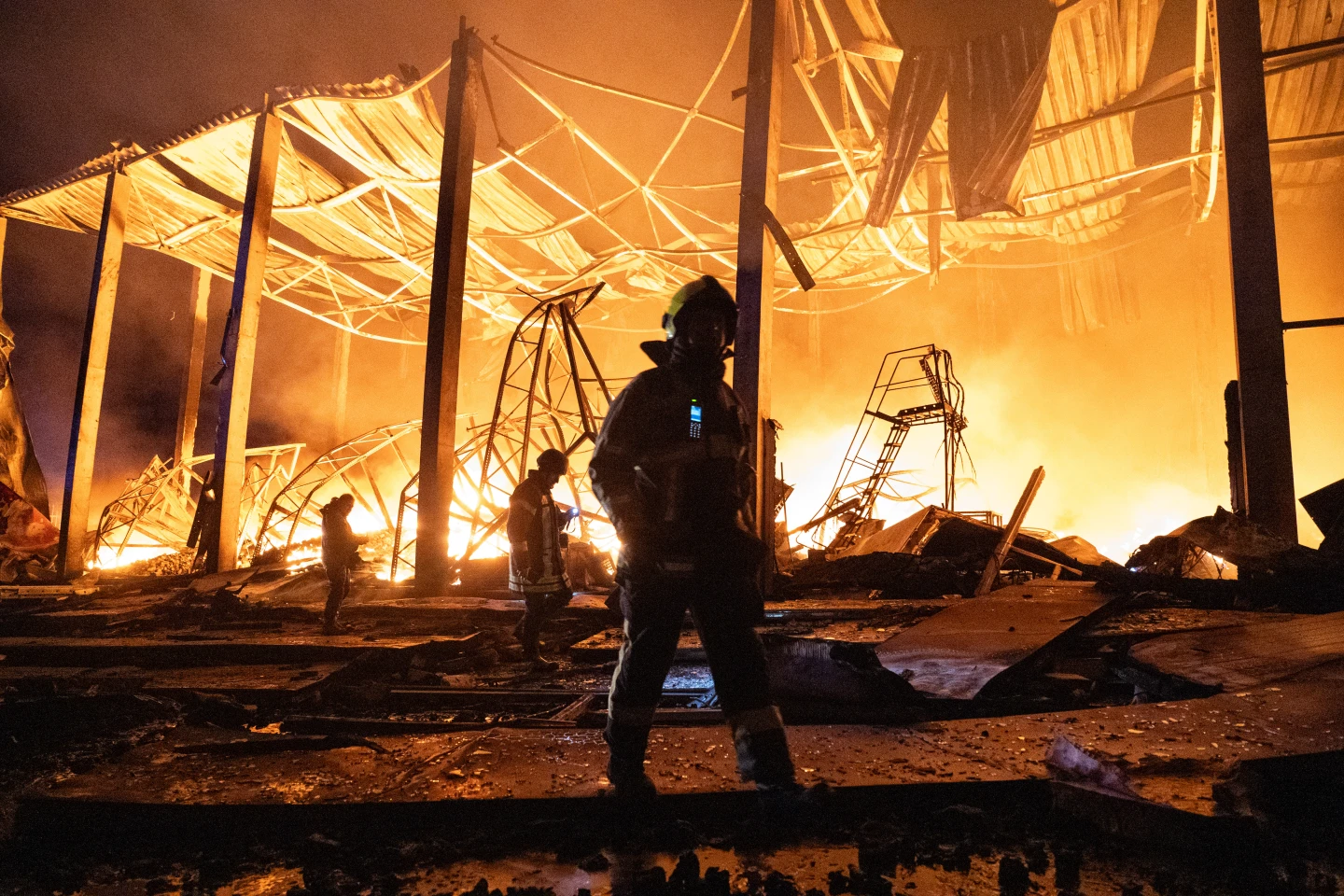
Regional Governor Pavel Malkov said one person was injured, power lines were damaged, and a fire broke out at an industrial facility after debris fell during the attack.
Russian media subsequently reported a blaze at the Ryazan oil refinery, circulating images that appeared to show smoke and flames illuminating the night sky.
The full extent of the reported damage was not independently established in the initial accounts.
Ukraine also faced another wave of Russian drone attacks.
According to Ukrainian officials, Russian forces launched 128 attack drones overnight and into early Thursday.
Ukrainian air defenses reported intercepting or suppressing 105 of them.
Despite those defensive efforts, strikes injured four people in the Dnipropetrovsk and Kyiv regions.
Three people were wounded in Dnipro, while another was injured in an attack targeting logistics infrastructure west of Kyiv.
Emergency responders worked to contain a fire at the damaged facility.
The opposing military claims illustrate the scale of the overnight aerial campaign, although independent verification of all reported interceptions and targets was not available.
## Zelenskyy Confirms 43 Deaths After Devastating Russian Bombing
While new drone attacks unfolded, rescue workers in southern Ukraine continued searching the wreckage of a deadly bombing earlier in the week.
Russian guided bombs struck a former school building and a nearby shelter in Komyshuvakha, a community near the front line in the Zaporizhzhia region, on Monday.
Residents had reportedly gathered near the location while waiting for humanitarian assistance.
The attack caused extensive destruction, leaving rescue teams searching through collapsed structures.
President Zelenskyy said 43 people had been confirmed dead.
More than 30 others were believed to remain trapped beneath the debris, according to the information available during Thursday's reporting.
Zelenskyy also announced that one person previously listed as missing had been discovered alive.
The continuing recovery effort highlighted the human consequences of the war at a time when international negotiators were discussing how Ukraine might eventually rebuild.
## Trump's Envoy Jared Kushner Calls Brussels Talks Productive
Away from the battlefield, diplomatic activity continued at NATO headquarters in Brussels.
Officials from the United States, United Kingdom, France, Germany, and the European Union concluded a second day of discussions focused on Ukraine's postwar reconstruction, future financing, and security guarantees.
Ukraine's chief negotiator, Rustem Umerov, said representatives from the World Bank and investment firm BlackRock also participated.
The discussions addressed the enormous economic demands of rebuilding Ukrainian infrastructure and maintaining stability after a possible peace settlement.
Participants also examined potential security arrangements designed to reduce the risk of renewed Russian aggression.
Jared Kushner, Trump's son-in-law and a U.S. peace envoy, characterized the discussions as productive and substantive.
However, officials did not announce a final agreement resolving the war or establishing a comprehensive security framework.
The Brussels meetings were part of a wider diplomatic effort taking place ahead of expected negotiations involving Russia, Ukraine, and the United States in Abu Dhabi.
Those upcoming talks are intended to explore possible ways to end the conflict.
## Zelenskyy Pushes for Faster Negotiations Ahead of Abu Dhabi Meeting
Zelenskyy has urged international negotiators to accelerate efforts toward a settlement.
Late Wednesday, the Ukrainian president said he had spoken for approximately 90 minutes with American representatives Steve Witkoff and Jared Kushner.
Following the conversation, Zelenskyy emphasized the need to move negotiations forward quickly.
He said Ukraine had already communicated its proposals to the American side and remained prepared to participate in the diplomatic process.
The planned meeting in Abu Dhabi is expected to involve representatives from Moscow, Kyiv, and Washington.
But the continuation of large-scale military attacks presents a significant challenge to those negotiations.
Major disagreements over security guarantees, territorial control, and the conditions of a potential settlement remain central obstacles.
The willingness of the parties to meet does not necessarily indicate that an agreement is imminent.
For Ukraine, any settlement would need to address the country's security and the possibility of further Russian military operations.
## Europe Releases Another $4.9 Billion to Support Ukraine
As diplomatic negotiations continued, the European Union announced another major financial contribution to Ukraine.
The European Commission transferred 4.4 billion euros, approximately $4.9 billion, as part of a larger 90 billion euro loan package approved by EU leaders in April.
The funding is intended to help Ukraine maintain essential public services and finance defense-related needs.
European Commission President Ursula von der Leyen emphasized the importance of continued assistance as Ukraine approaches another winter under wartime conditions.
The financial support comes as repeated missile and drone attacks continue to damage infrastructure and strain public resources.
The involvement of major financial institutions in Brussels also reflected the scale of future reconstruction requirements.
Rebuilding damaged housing, transportation networks, energy facilities, and public infrastructure will require sustained investment.
European governments are attempting to plan for those needs even as the war continues.
## U.S. Midterm Elections Could Influence Future Support for Ukraine
The diplomatic discussions occurred shortly after the November 3 U.S. midterm elections, which shifted the political balance in Washington.
In an interview with German broadcaster ZDF, Zelenskyy expressed hope that Democratic gains could strengthen cooperation between the United States and Europe.
He also acknowledged the importance of support from both major American political parties.
The Ukrainian president has repeatedly emphasized that continued U.S. involvement remains essential to Kyiv's long-term security.
Estonian Foreign Minister Margus Tsahkna suggested that the election results could influence congressional attitudes toward Russia and Ukraine.
However, he also stressed that President Trump would continue to hold substantial authority over American foreign and security policy.
The political changes in Washington therefore introduce another factor into an already complicated diplomatic situation.
Congressional priorities, presidential decisions, and cooperation with European allies could all affect the future direction of U.S. assistance and negotiations.
## Attack in Russian-Occupied Luhansk Kills Five, Local Official Says
Elsewhere in the conflict, authorities in Russian-occupied Luhansk reported a deadly strike on a civilian bus.
Leonid Pasechnik, the Moscow-backed regional leader, said a Ukrainian attack killed five people and injured 13 others Thursday.
Additional details about the incident were not immediately available.
The reported attack added to the day's casualty toll as both sides continued launching strikes beyond the most active areas of ground fighting.
The circumstances and responsibility for the bus strike were presented as claims from the Russian-backed regional administration and had not been independently established in the initial report.
## Can Peace Negotiations Advance While the War Continues?
The developments of November 5 reveal the central challenge facing international efforts to end the Russia-Ukraine war.
On one side, American and European officials are working with Ukrainian representatives to discuss reconstruction funding, future security arrangements, and the diplomatic framework for a possible settlement.
On the other, continuing drone attacks and deadly strikes are producing new casualties and further infrastructure damage.
The reported progress in Brussels offers evidence that diplomatic channels remain active, but it does not establish that the warring parties are close to ending the fighting.
For Ukraine, the immediate priorities include protecting civilians, maintaining critical infrastructure, obtaining financial assistance, and securing commitments that could prevent another invasion.
For international mediators, the challenge is to turn ongoing discussions into agreements acceptable to the parties involved.
The anticipated negotiations in Abu Dhabi could provide another opportunity for diplomatic engagement.
Until meaningful agreements are reached and implemented, however, the fighting continues to impose devastating human and economic costs.
As the latest wave of attacks demonstrates, preparing for Ukraine's future remains inseparable from the violence shaping its present.