TRUMP BACKED HIM. MUSK'S MILLIONS HELPED FUND HIS CAMPAIGN. SO WHY DID REPUBLICANS STILL LOSE TEXAS?
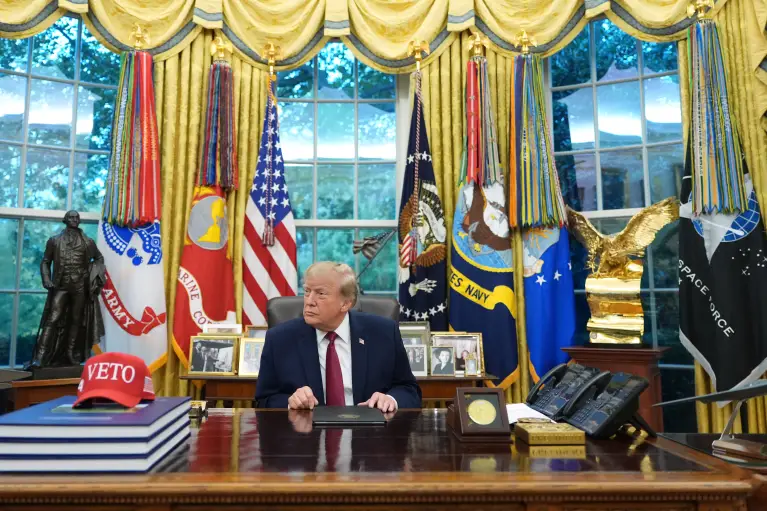
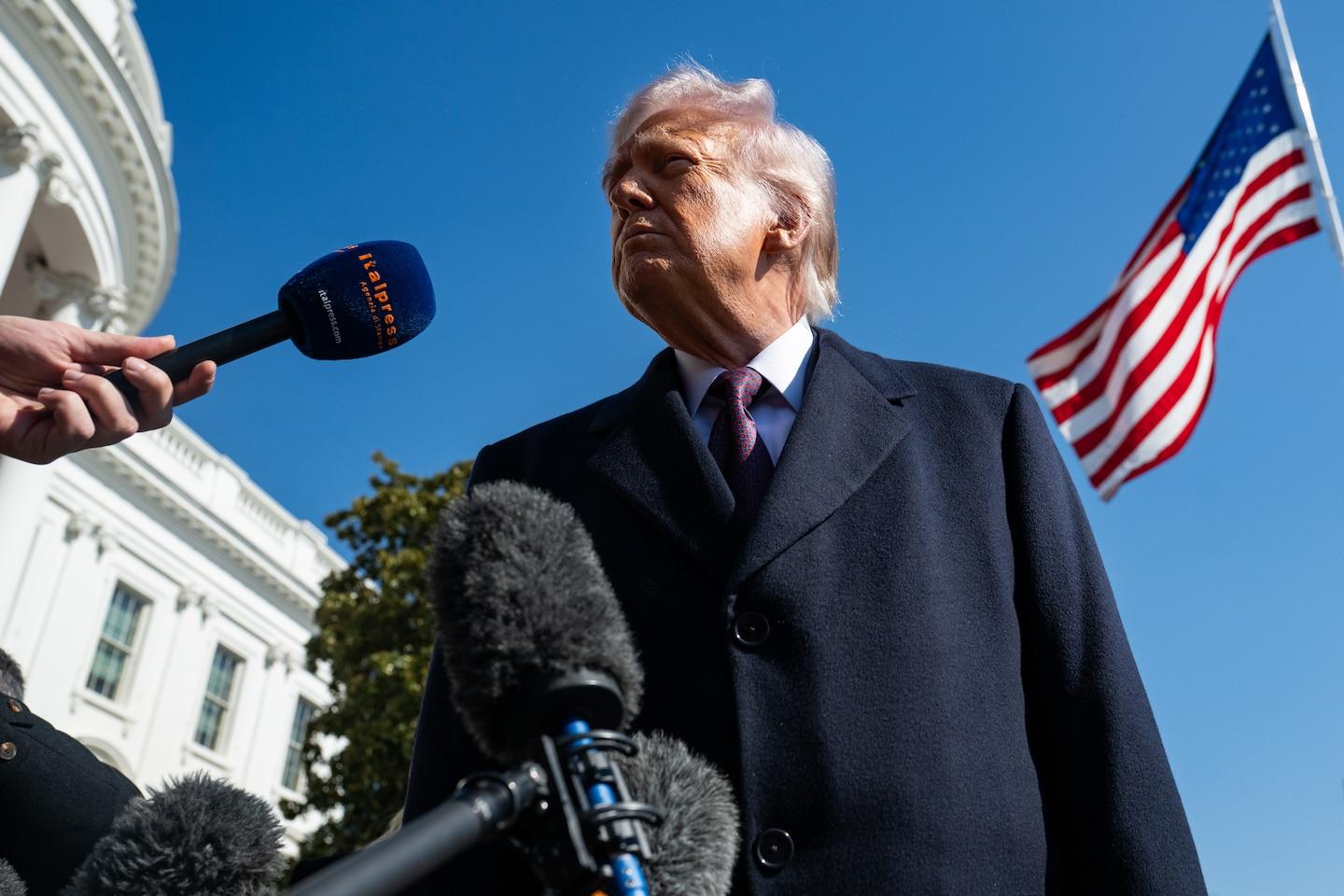
AUSTIN, TEXAS, November 6, 2026 — President Donald Trump endorsed him. Billionaire Elon Musk poured enormous sums into political groups supporting his campaign. Republican organizations spent heavily to defend a Senate seat in one of America's most reliably conservative states.
Yet when Texas voters went to the polls on November 3, Republican Ken Paxton lost.
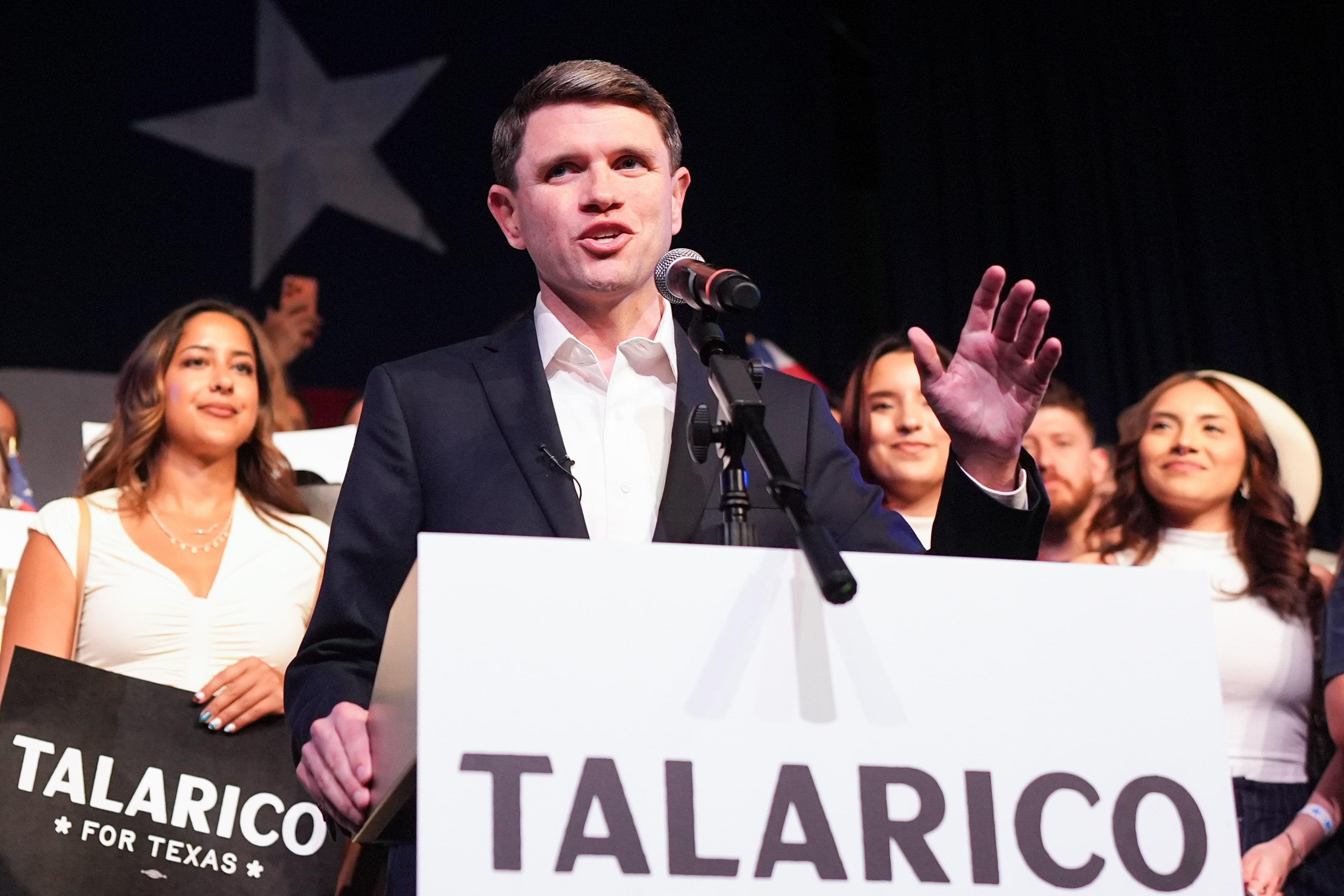
And the man who defeated him was James Talarico, a 37-year-old former middle school teacher and Presbyterian seminarian who accomplished something Democrats had spent decades trying to achieve.
Talarico became the first Democrat elected to the U.S. Senate from Texas since 1988, ending a Republican winning streak in a state Trump carried by double digits just two years earlier.
But the story behind his victory raises a larger political question.
How did a relatively young Democratic lawmaker defeat a Trump-backed Republican in Texas, despite an extraordinary campaign spending operation?
The answer involves more than money, political endorsements or changing voter preferences.
It also involves a controversial Republican primary, years of political scandals and a campaign strategy that persuaded some voters to cross party lines.
THE REPUBLICAN DECISION THAT CHANGED THE RACE
Long before voters chose between Talarico and Paxton, Republicans faced a difficult decision within their own party.
Sen. John Cornyn, a longtime Republican incumbent, was seeking another term.
But Texas Attorney General Ken Paxton challenged him for the nomination.
Paxton had developed a strong relationship with Trump's political movement, earning support from conservatives who viewed him as an aggressive defender of Republican priorities.
His political career, however, had also been marked by significant controversy.
In 2023, the Republican-controlled Texas House impeached Paxton over allegations that he abused his office to benefit a political donor.
The Texas Senate subsequently acquitted him.
He had also faced a federal corruption investigation that ended without criminal charges.
Other legal and personal controversies followed him into the Senate campaign.
Republican leaders worried that nominating Paxton could make a normally Republican seat unexpectedly competitive.
Trump nevertheless endorsed his political ally, helping Paxton defeat Cornyn in the Republican primary runoff.
The decision gave Paxton the nomination.
But it also created an opening for Democrats. 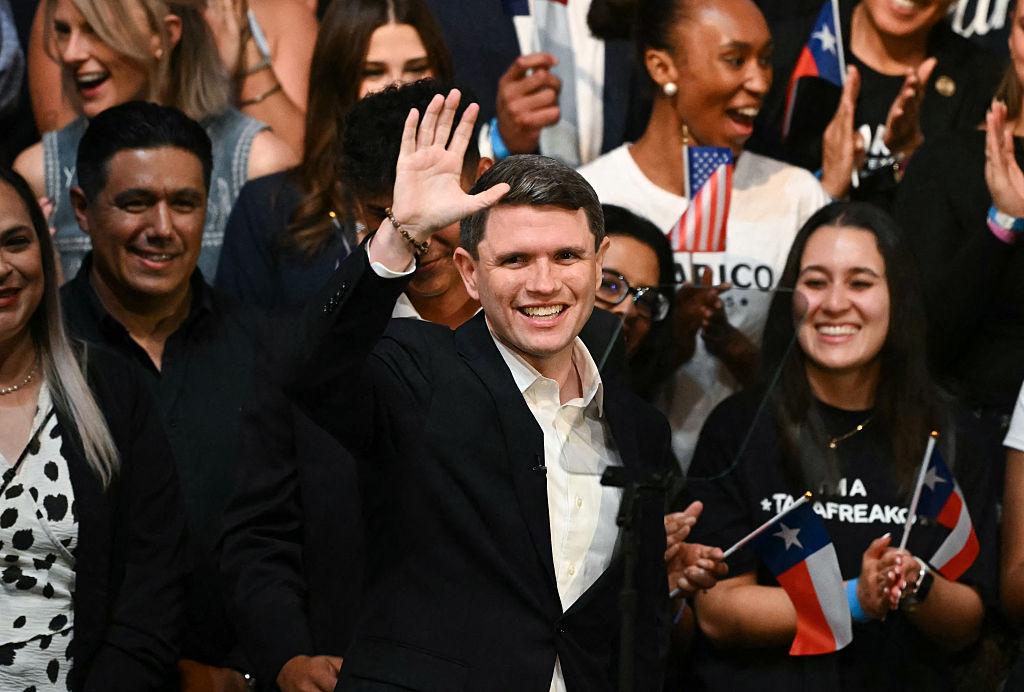
A HALF-BILLION-DOLLAR POLITICAL BATTLE
As the general election approached, Texas became the center of one of the most expensive Senate campaigns in the country.
According to advertising tracking firm AdImpact, the two sides and their allies spent more than $500 million combined on campaign advertising.
Much of that spending supported Paxton.
Elon Musk became a particularly significant financial figure in the contest.
According to Associated Press reporting, Musk contributed $158 million to the Senate Leadership Fund, which transferred the same amount to Texas PAC, a major supporter of Paxton.
Musk also donated another $10 million to the pro-Paxton Lone Star Liberty PAC.
The spending reflected how much national Republican interests had invested in defending the seat.
Trump also campaigned in Texas during the closing weeks of the election.
But the financial and political support did not eliminate Paxton's weaknesses.
And Talarico increasingly used the scale of that support against his opponent.
WHY MONEY BECAME PART OF TALARICO'S MESSAGE
Instead of relying primarily on partisan attacks against Republicans, Talarico focused on economic frustration and the influence of wealthy political donors.
The former teacher argued that ordinary Americans were struggling with rising living costs while powerful financial interests enjoyed disproportionate influence in Washington.
He connected those concerns to the vast amounts of money flowing into Paxton's campaign.
It was a message designed to appeal beyond traditional Democratic voters.
Talarico also used social media to reach younger audiences, generating millions of views through short political videos.
His campaign emphasized affordability, education and political accountability.
He sought to present the election as a choice about whose interests government should represent, rather than simply another confrontation between liberals and conservatives.
That approach became especially important in a state where Democrats had repeatedly struggled to win statewide elections.
But economic messaging alone does not explain the result.
Paxton's own political record had become a central issue.
THE SCANDALS THAT FOLLOWED PAXTON TO ELECTION DAY
Throughout the campaign, Democrats repeatedly highlighted Paxton's legal and ethical controversies.
Those included the previous federal corruption investigation, the impeachment proceedings and questions surrounding his personal conduct.
Paxton denied wrongdoing in the cases in which he was accused, and he was acquitted in his impeachment trial.
Nevertheless, those controversies remained prominent in political advertising.
His wife, state Sen. Angela Paxton, had also filed for divorce in 2025, citing alleged adultery.
The Republican candidate attempted to redirect attention toward Talarico's progressive political positions.
He criticized the Democrat's past statements on religion and gender, portraying him as outside the political mainstream of Texas.
Talarico acknowledged that some of his earlier comments had been poorly expressed.
But the election ultimately demonstrated that Paxton's attacks had not prevented voters from supporting his opponent. 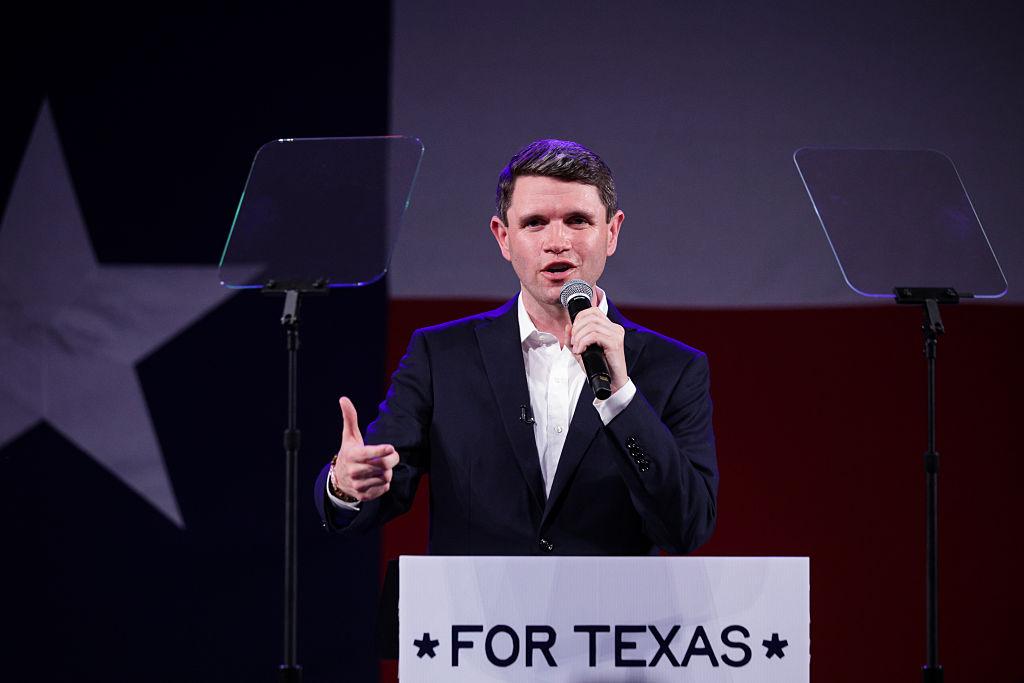
REPUBLICAN VOTERS HELPED ELECT A DEMOCRAT
One of the most significant findings emerged from the Associated Press voter survey.
Approximately one in ten Republican voters supported Talarico.
He also attracted substantial support among political independents, moderates, younger voters and Hispanic voters.
According to the AP survey, about three-quarters of voters under 30 backed Talarico, as did roughly six in ten Hispanic voters.
Those figures suggest that the Democrat's victory depended on support extending beyond his party's traditional base.
Paxton struggled to reunite Republicans after his difficult primary campaign.
Meanwhile, dissatisfaction with national political conditions created additional challenges for Republican candidates.
The result was an unusual electoral coalition in a state long considered difficult territory for Democrats.
Talarico did not need to convert most Republican voters.
He needed enough crossover support, combined with strong Democratic and independent turnout, to overcome the state's traditional partisan advantage.
That combination proved decisive.
A DEFEAT WITH CONSEQUENCES FOR TRUMP'S PARTY
Texas had not elected a Democrat to the U.S. Senate since Lloyd Bentsen won reelection in 1988.
And no Democrat had won statewide office there since 1994.
Talarico's victory therefore represents a significant departure from the state's recent political history.
It also raises questions about the Republican Party's candidate-selection process.
Paxton's nomination followed a contentious primary in which Trump backed him over a longtime Republican senator.
The general election then revealed the challenges of defending a candidate whose record generated controversy among some voters.
Yet the result should not be attributed to a single factor.
Economic dissatisfaction, campaign strategy, voter demographics, political spending and Paxton's personal controversies all contributed to the environment in which the election took place.
For Democrats, the outcome demonstrates that Texas can be competitive under particular political conditions.
For Republicans, it raises questions about how to rebuild support among moderates, independents and voters who crossed party lines.
THE BIGGER QUESTION AFTER TEXAS
Talarico will enter the Senate as its youngest member, carrying expectations from voters who helped deliver one of the most significant political changes in Texas in decades.
But the result also leaves Republicans confronting an uncomfortable reality.
A presidential endorsement, extensive campaign advertising and financial support from some of the country's wealthiest political donors were not enough to secure victory.
The party's chosen candidate lost in a state that had consistently favored Republicans in statewide elections.
That does not establish that endorsements or campaign spending have lost their influence.
It does suggest that neither can fully compensate for concerns voters may have about an individual candidate or the political environment.
For years, Democrats wondered whether Texas could ever become competitive again.
On November 3, voters provided an answer in one Senate race.
Now the question facing Republicans is how a seat they had held for nearly four decades became vulnerable — and what lessons both parties will draw from the result.