TRUMP DENIES MIDTERM LOSSES DROVE HIS WHITE HOUSE SHAKE-UP — BUT INSIDERS TELL A DIFFERENT STORY
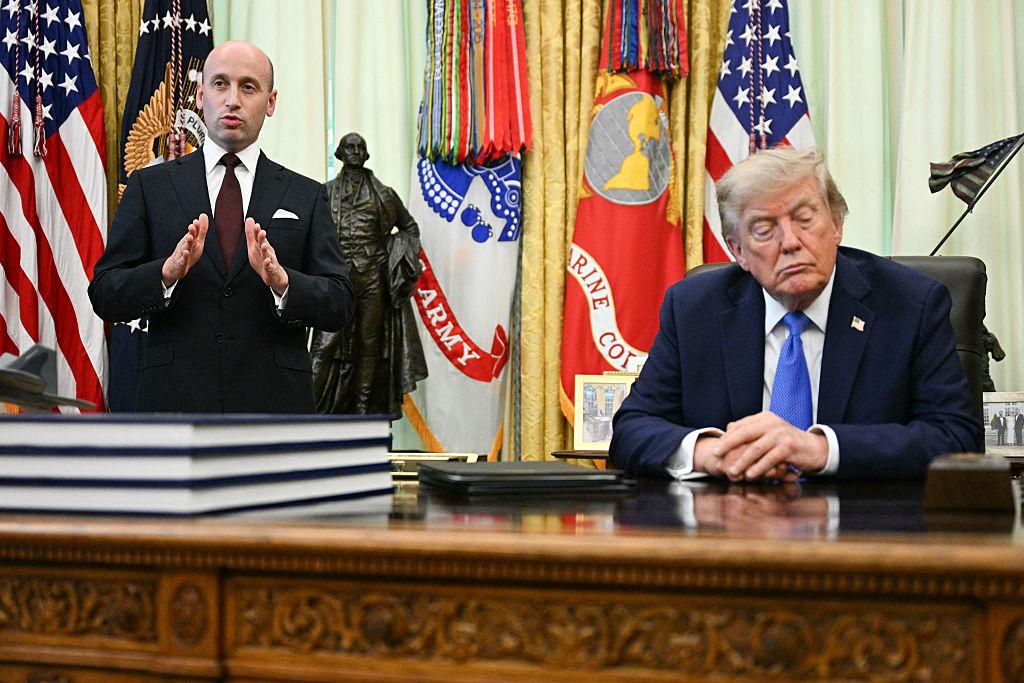
WASHINGTON, November 7, 2026 — President Donald Trump has announced one of the most consequential personnel changes of his second administration, replacing White House Chief of Staff Susie Wiles with longtime political adviser Stephen Miller just days after Republicans suffered major defeats in the midterm elections.
But behind the official announcement lies a dispute over what prompted the sudden leadership change.
Trump publicly insists the decision had nothing to do with the election results.
Sources familiar with the situation, however, told ABC News that the president had privately blamed Wiles for Republican losses, prompting her to submit her resignation Thursday night.
The conflicting accounts have raised a question about the White House shake-up: Was this a planned transition, or did the election defeat accelerate the departure of one of Trump's most trusted advisers?
TRUMP SAYS THE ELECTION WAS NOT THE REASON
The announcement came Friday, November 6, when Trump confirmed that Miller, 41, would become the next White House chief of staff beginning Monday, November 9.
Wiles, 69, will move into a role with Trump's political organization rather than continue overseeing daily White House operations.
Trump publicly praised her performance and described Miller as a trusted adviser with extensive experience in his administration.
Speaking to reporters, the president rejected suggestions that the leadership change was punishment for the Republican Party's electoral defeat.
He insisted the election had not prompted the decision and emphasized that he personally had not appeared on the ballot.
But the timing attracted immediate attention.
Only three days earlier, voters had delivered Democrats control of both chambers of Congress, significantly changing the political environment for the remainder of Trump's presidency.
The administration now faces a Congress with greater power to investigate its policies, question officials and challenge presidential priorities.
Against that backdrop, replacing the president's chief of staff carries implications well beyond a routine staffing decision.
WHAT SOURCES SAY HAPPENED BEHIND CLOSED DOORS
According to ABC News, sources said Trump was privately assigning responsibility for the midterm setbacks to Wiles.
The network reported that Wiles decided to resign once she became aware of the president's dissatisfaction.
A person familiar with the events separately told The Associated Press that she submitted her resignation Thursday night.
Those accounts contrast with Trump's public explanation.
They do not independently establish every detail of the private discussions, and Trump has denied that the election losses motivated the change.
Nevertheless, the reported sequence is notable.
Just weeks earlier, Trump had publicly indicated that Wiles would remain in her position for an extended period.
She had been one of the most important figures in his political comeback, helping manage his successful 2024 presidential campaign before becoming the first woman to serve as White House chief of staff. 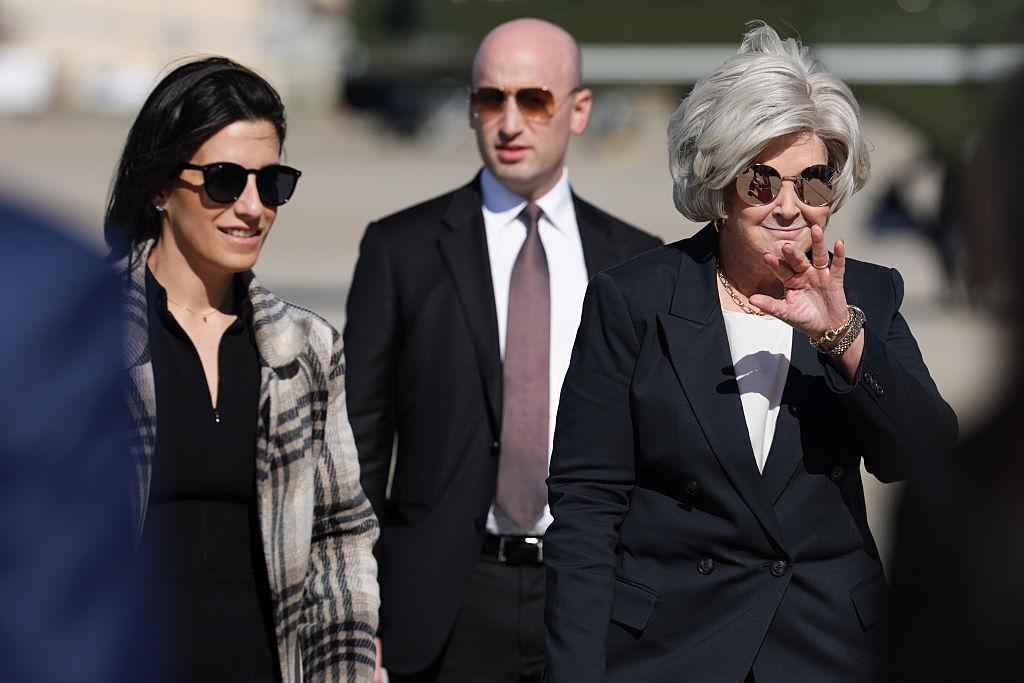 Now, she is leaving the administration's most influential staff position less than two years into Trump's second term.
THE WOMAN WHO HELPED BRING TRUMP BACK TO POWER
Wiles was widely credited with bringing greater organization and discipline to Trump's political operation.
A veteran Republican strategist from Florida, she previously worked with prominent political figures including Florida Gov. Ron DeSantis.
Her relationship with Trump became particularly important during his 2024 presidential campaign.
Unlike some high-profile presidential advisers, Wiles generally avoided public attention.
She developed a reputation for managing competing personalities while coordinating the president's political priorities.
Her appointment following Trump's 2024 victory marked a historic achievement.
But her tenure was not without controversy.
In interviews published by Vanity Fair in December 2025, Wiles offered unusually candid assessments of Trump and senior administration figures.
Those comments generated substantial attention, although Trump publicly defended her at the time.
More recently, Wiles underwent treatment for breast cancer and subsequently reported that testing showed no evidence of the disease.
Neither the White House nor the reporting reviewed establishes that her medical history caused her departure.
Wiles has expressed pride in her service and said she intends to remain committed to Trump's political goals.
STEPHEN MILLER TAKES CONTROL OF THE WEST WING
Her successor represents a different style of White House leadership.
Stephen Miller has worked alongside Trump since the 2016 presidential campaign and has become one of the administration's most influential policy advisers.
He is particularly associated with the president's immigration agenda, including aggressive enforcement policies and expanded federal immigration operations.
As deputy chief of staff for policy, Miller helped coordinate decisions involving multiple federal agencies.
His promotion places him at the center of presidential scheduling, senior staff management and policy coordination.
The White House described Miller as an experienced adviser with extensive knowledge of government operations.
Vice President JD Vance, Secretary of State Marco Rubio and several other senior administration officials publicly congratulated him.
But the appointment also creates a new political confrontation.
Miller's immigration policies were a point of controversy during the midterm elections.
An Associated Press voter survey found that approximately six in ten voters believed the administration's immigration enforcement efforts had gone too far.
That finding does not establish that immigration policy alone caused Republican losses, but it underscores the public disagreement surrounding an area closely associated with Miller.
DEMOCRATS ARE ALREADY PREPARING TO INVESTIGATE
The appointment comes as Democratic lawmakers prepare to assume control of congressional committees with significant oversight authority.
Rep. Robert Garcia of California, who is expected to chair the House Oversight Committee, has signaled that Miller could face scrutiny over the administration's immigration policies.
Garcia sharply criticized the appointment and argued that Miller should prepare for possible congressional investigations.
Those comments reflect the Democratic position, not any finding of wrongdoing by Miller.
Republican officials, meanwhile, welcomed the decision as a sign that Trump intends to continue pursuing his existing policy agenda.
The competing reactions highlight the challenges awaiting the new chief of staff.
Miller will be responsible for helping coordinate an administration facing sustained opposition from a newly empowered Congress.
WHY THIS WHITE HOUSE CHANGE MATTERS
A chief of staff does more than manage the president's calendar.
The position influences which issues reach the Oval Office, how competing policy proposals are evaluated and how the White House communicates with Congress and federal agencies.
Wiles was associated with operational discipline and political coordination.
Miller brings a deeply established policy role and close involvement in Trump's immigration priorities.
His appointment could therefore affect how the White House organizes its response to congressional opposition.
It does not, by itself, prove that Trump intends to abandon negotiations or pursue any particular new policy.
THE QUESTION AFTER THE SHAKE-UP
The most immediate question remains what actually prompted Wiles' departure.
Trump says the decision was unrelated to the midterm results.
ABC News' sources describe private dissatisfaction following the Republican defeat.
The White House has confirmed the personnel change but has not publicly substantiated the reported private conversations.
What is certain is that Trump is entering the final two years of his presidency with a new chief of staff and a substantially different Congress.
Miller's appointment puts a longtime advocate of the president's policy agenda in charge of White House staff operations.
Whether the transition represents a routine leadership change or a response to political pressure remains disputed.
The consequences of the appointment will become clearer as Miller assumes his new responsibilities on November 9 and the administration prepares for its next confrontation with Congress.