TRUMP FACES MIDTERM DEFEAT — BUT COULD HIS NEXT MOVE BE A STRIKE ON IRAN'S SECRETIVE UNDERGROUND NUCLEAR SITE? 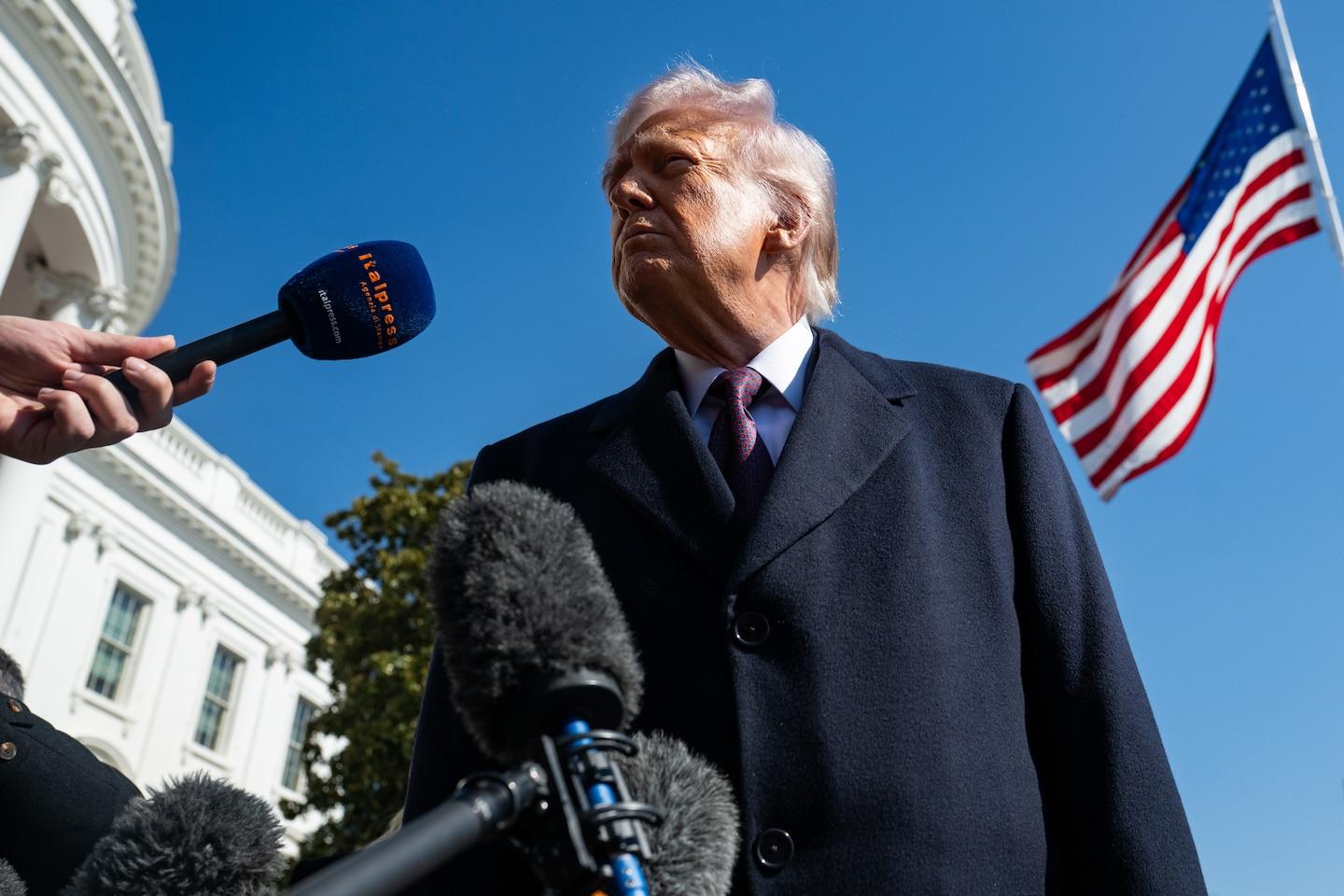
WASHINGTON, November 6, 2026 — President Donald Trump is facing one of the most consequential decisions of his second term after Republicans suffered sweeping losses in the U.S. midterm elections.
But while the political fallout continues in Washington, attention is shifting toward a potentially more dangerous question: Could Trump respond to the election setback by ordering another major military strike against Iran?
Among the options discussed by national security experts is an attack on Pickaxe Mountain, a heavily fortified underground facility linked to Iran's nuclear program.
The possibility has drawn renewed attention because Trump previously suggested he was considering targeting the site.
No decision to launch such an attack has been announced.
Yet the combination of Republican election losses, an eight-month war and renewed military threats has left Middle Eastern officials watching Washington closely.
THE UNDERGROUND TARGET THAT COULD CHANGE THE CONFLICT
Deep beneath the mountains of central Iran lies a facility known as Pickaxe Mountain.
Its association with Iran's nuclear program has made it a focus of U.S. military discussions.
According to former Assistant Secretary of State for Near Eastern Affairs David Schenker, striking the underground facility is one possible course Trump could pursue.
Such an operation could allow Washington to claim it had further damaged Iran's nuclear capabilities before attempting to negotiate an agreement.
But the potential consequences would extend far beyond the facility itself.
An attack could provoke Iranian retaliation, disrupt energy supplies and expand a conflict that has already caused tens of billions of dollars in regional damage.
The decision would come at a politically sensitive moment for the president.
Republicans have just lost control of Congress, and voter dissatisfaction with the Iran war contributed to their electoral defeat.
TRUMP'S DEFEAT MAY NOT STOP MILITARY ACTION
The November 3 elections delivered major victories for Democrats, giving the opposition party control of both chambers of Congress.
The results highlighted frustration over the economy, rising living costs and the ongoing conflict with Iran.
But Trump has given little indication that the electoral setback will cause him to reconsider his approach to the war.
Speaking to reporters Thursday, he said the United States remained committed to its objectives in Iran.
He also maintained that he would not have handled the war differently.
Some regional officials fear the election results could make further military action more likely, rather than less.
Their concern is that Trump may now feel fewer immediate electoral constraints, with the midterm vote already concluded.
That interpretation is not universally shared.
Other officials see the election as an opportunity for diplomacy, reasoning that mounting political and economic pressure could encourage negotiations.
The central uncertainty is whether Trump views escalation or a negotiated settlement as the better way to achieve his objectives.
JD VANCE POINTS TO THE WAR AS A REASON FOR REPUBLICAN LOSSES
Inside the administration, the political consequences of the conflict are becoming increasingly difficult to ignore.
Vice President JD Vance has been more direct than Trump in linking the war to the Republican Party's election losses.
In a social media statement following the vote, Vance explicitly identified the conflict as a reason Republicans lost.
His assessment underscores a growing political problem for the White House.
The administration's military strategy has increasingly become entangled with Americans' concerns over gasoline prices, inflation and household expenses.
An Associated Press voter survey of more than 100,000 people found that approximately six in ten voters believed the United States had made the wrong decision by taking military action against Iran.
However, the survey also found that the war was not the leading issue for most voters.
About one-third described the conflict as crucial to their congressional vote, compared with roughly half who assigned that importance to the cost of living or government corruption.
The findings suggest the Iran conflict contributed to Republican losses without fully explaining the election outcome. 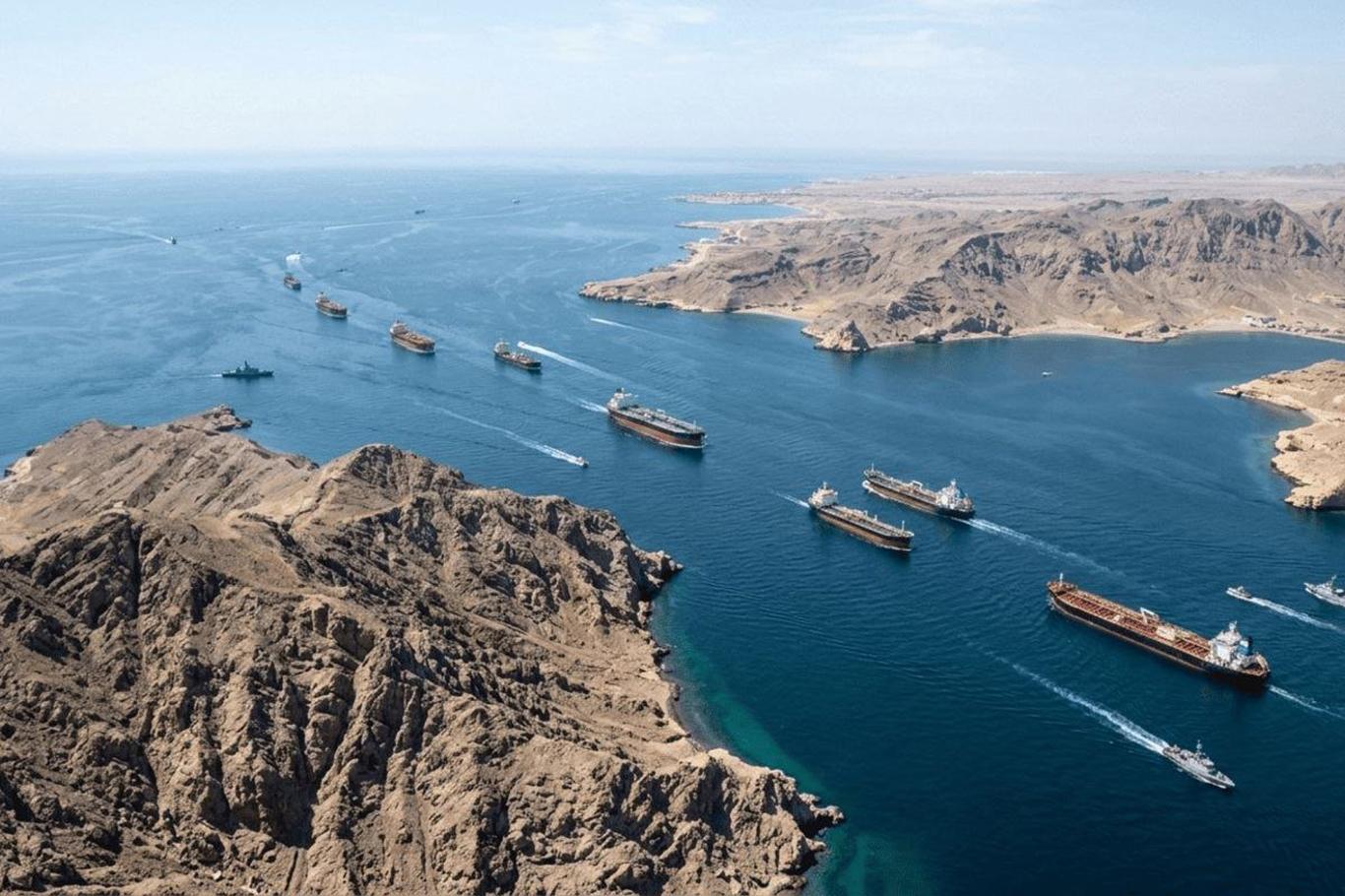
THREE PATHS TRUMP COULD TAKE
National security analysts say Trump has several options.
The first would involve maintaining the current military posture, including limited strikes described by Washington as defensive operations and a naval blockade intended to restrict Iranian oil exports.
The second would be a more focused operation against Pickaxe Mountain.
Such a strike could be followed by an attempt to negotiate arrangements involving maritime access, sanctions relief and future nuclear discussions.
The third, and potentially most destabilizing, option would involve a broader campaign against Iranian infrastructure.
Trump has previously threatened major attacks if Tehran refuses to accept terms Washington considers satisfactory.
But military escalation could intensify the economic pressures that already concern American voters.
Higher energy prices, disruptions to shipping and further retaliation could all complicate the administration's position.
IRAN AND THE REGION HOLD PART OF THE ANSWER
The future of the conflict will not be determined by Washington alone.
Iran retains the ability to respond to American military operations, including through actions affecting shipping and regional security.
Although oil shipments have resumed through the Strait of Hormuz with U.S. naval escorts, the wider conflict has spread into the Red Sea.
Iran-backed Houthi forces remain involved in fighting that has worsened Yemen's humanitarian crisis.
Meanwhile, Israeli Prime Minister Benjamin Netanyahu has reportedly pressed Trump to consider renewed strikes against Iran.
According to a person briefed on a recent conversation, Trump did not commit to military action.
That uncertainty has left governments across the Middle East preparing for different outcomes.
Some fear another round of attacks. Others believe the political aftermath of the American election could create space for negotiations.
A DECISION WITH CONSEQUENCES BEYOND WASHINGTON
Trump now faces a choice that could affect American foreign policy, global energy markets and regional security for months to come.
His administration can continue its current military pressure, pursue negotiations or consider another major offensive.
Each option presents risks.
The Republican defeat has also changed the political environment in which those decisions will be made.
Democrats will enter the next Congress with greater power to scrutinize the administration's conduct of the war, even as the president retains significant responsibility for directing U.S. military operations.
For now, Trump has not announced a new campaign against Pickaxe Mountain.
But the facility remains among the potential targets identified by analysts as Washington weighs its next move.
The question is no longer simply how the Iran war influenced the election.
It is whether the election's aftermath will push the United States toward another military confrontation — or create an opening to bring the conflict closer to an end.
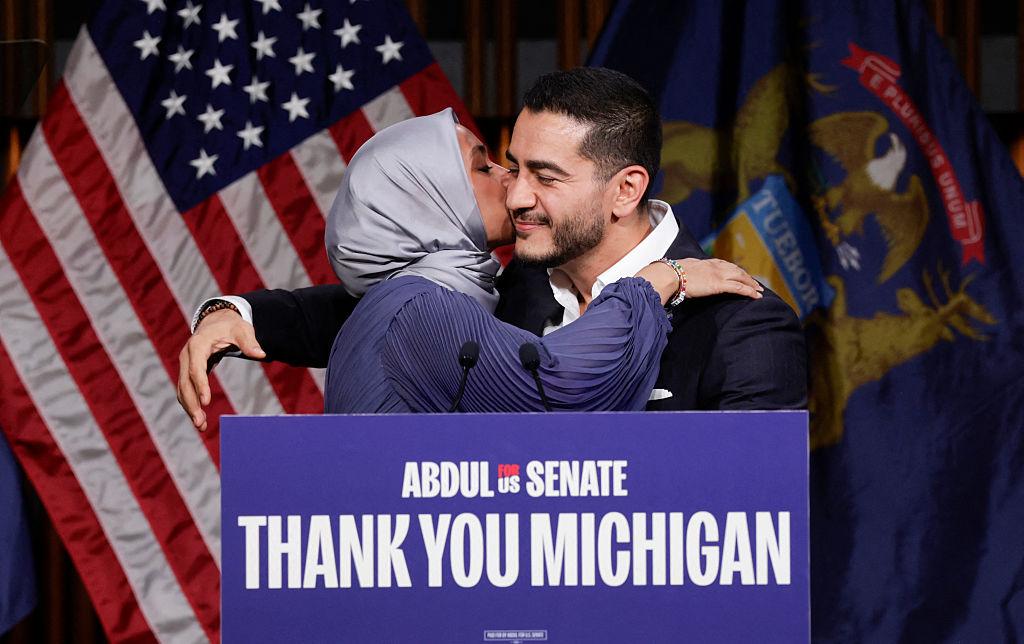
DEMOCRAT MAKES HISTORY IN MICHIGAN — BUT WHY DID A MEMBER OF HIS OWN PARTY BACK HIS REPUBLICAN RIVAL JUST DAYS BEFORE THE VOTE?
Posted Nov 6, 2026