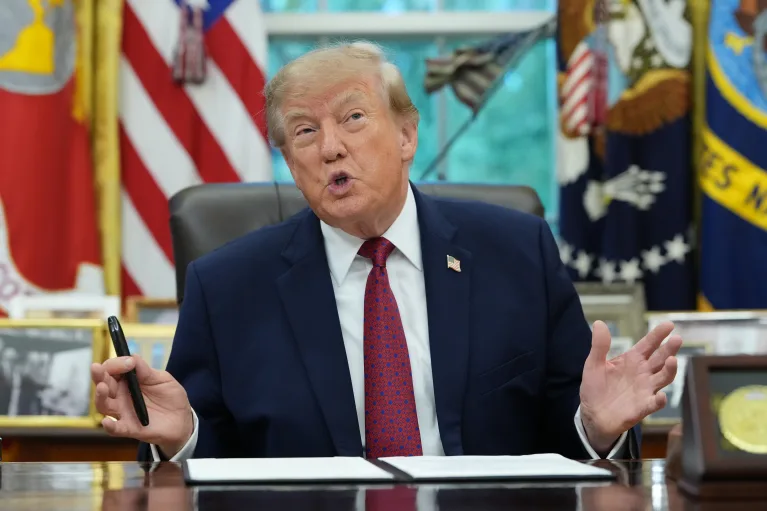
Trump Moves to Protect Oval Office Forever — But His Order Has a Major Loophole
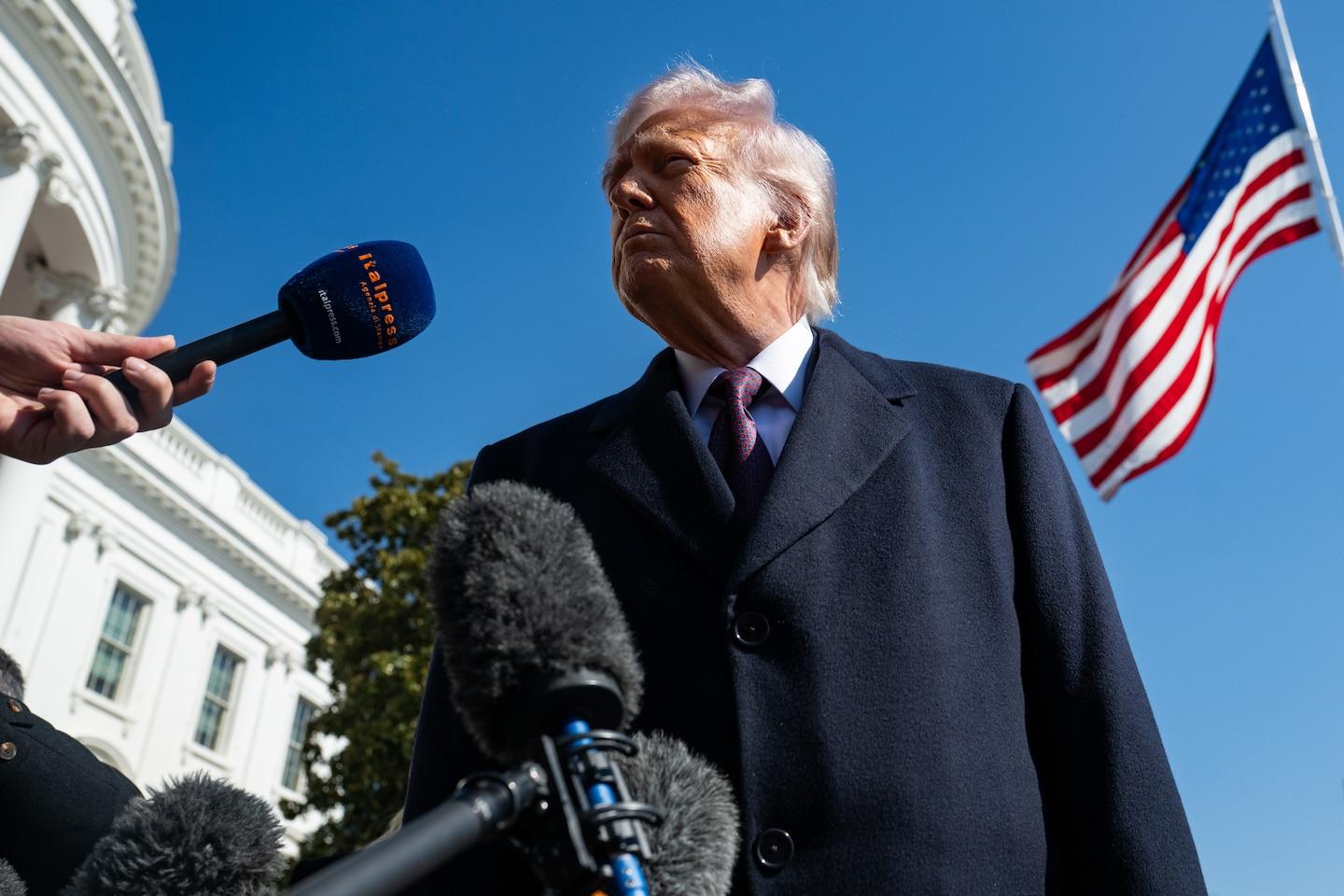
WASHINGTON, D.C. — President Donald Trump has taken an unusual step to protect two of the most recognizable rooms in American government, signing a presidential proclamation designating the Oval Office and White House Cabinet Room as a national monument.
The announcement came Thursday, November 5, 2026, just two days after Republicans suffered major losses in the midterm elections. Trump described the move as an effort to protect the historic spaces from future demolition or major structural alterations.
However, a closer examination of the proclamation reveals an important limitation: future presidents can still redecorate the rooms, and a successor could potentially reverse the designation altogether.
AP News+1
Trump Wants to Preserve the Oval Office's Historic Identity
The Oval Office has long served as a powerful symbol of the American presidency. Its distinctive shape, historic furnishings and role in major national decisions make it one of the most recognizable government offices in the world.
Trump said the new designation was intended to prevent future leaders from making drastic changes to the room's architectural identity.
During remarks at the White House, he raised the hypothetical possibility of a future president replacing the Oval Office's famous curved design with a square room.
Trump argued that such a dramatic transformation should face significant restrictions.
He also suggested that Congress would have to approve a major alteration. Yet the proclamation itself does not establish that congressional approval requirement.
Instead, the document creates a process intended to ensure that substantial structural changes receive additional scrutiny before proceeding.
The distinction matters because the legal language is narrower than the sweeping protection Trump described publicly.
The Major Loophole in Trump's Presidential Proclamation
Despite the president's strong statements about preservation, the new national monument designation does not permanently freeze the Oval Office or Cabinet Room in their current appearance.
The proclamation explicitly preserves presidential authority over interior decoration, furniture selection, routine operations and security adjustments, provided those modifications do not substantially damage the rooms' historic structure or architectural character.
That means future administrations could still introduce new furniture, change wall decorations, replace artwork or adopt different design styles.
For more significant architectural changes, the proclamation calls for documentation, review and consideration of alternatives.
The Interior secretary is assigned responsibility for managing the monument under the new arrangement.
Yet another limitation remains: the proclamation is not necessarily permanent.
A future president could attempt to rescind the designation, just as Trump himself has previously reversed national monument protections established by earlier administrations.
The result is a preservation measure that adds procedural safeguards without guaranteeing that the two rooms will remain unchanged forever.
AP News+1
Trump's Gold-Filled White House Makeover Draws Attention
The announcement also highlights the extensive decorative changes Trump has introduced since returning to the White House.
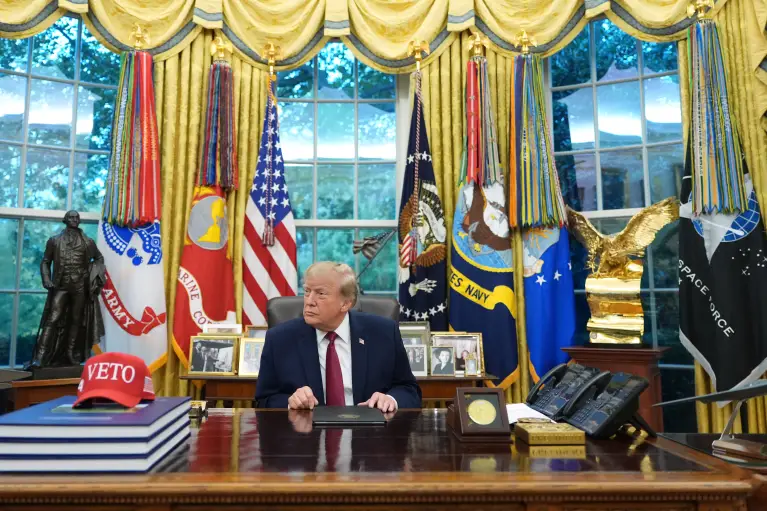
The president has transformed parts of the Oval Office with elaborate gold-colored accents, decorative wall elements and numerous portraits displayed in ornate frames.
A copy of the Declaration of Independence has also been incorporated into the room's decorative arrangement.
The Cabinet Room has undergone changes of its own, including the installation of new chandeliers.
Trump explained that the chandeliers were intended to improve lighting conditions in the historic meeting space.
These design choices reflect his preference for highly decorated interiors, a style that has become closely associated with his approach to presidential spaces.
The new proclamation does not prevent a future administration from replacing those decorative elements.
In effect, Trump is seeking to protect the architectural identity of the rooms rather than permanently preserve his personal decorating decisions.
White House Renovations Face Growing Political Scrutiny
The announcement comes during a politically sensitive period for the administration.
Following the November 3 midterm elections, Democrats are preparing to exercise greater congressional oversight of Trump's policies and construction projects.
The president has devoted considerable attention to renovating prominent locations in Washington, including the White House and the Lincoln Memorial Reflecting Pool.
One of the most controversial projects involves a new White House ballroom, which required demolition of the historic East Wing.
Trump has promoted the ballroom as an improvement to the presidential residence, but the project has prompted questions about funding, preservation procedures and government oversight.
Connecticut Democratic Senator Richard Blumenthal has sought information from donors associated with the ballroom project.
On Thursday, Blumenthal sent letters requesting details from known contributors, signaling increased scrutiny of the financial arrangements behind the construction.
Other presidential renovation projects have also faced legal challenges alleging that required approval procedures were not followed.
The Oval Office designation therefore arrives amid a broader dispute over how much authority a president should have to alter historically significant federal properties.
AP News+1
A Presidential Order That Future Leaders Could Reverse
One of the central questions surrounding Trump's proclamation is whether it will have lasting consequences beyond his presidency.
National monument designations can provide important protections for historically or culturally significant places, but the durability and scope of those protections depend on the underlying legal authority.
In this case, the proclamation leaves future presidents considerable flexibility.
They can continue using the Oval Office and Cabinet Room for official business, modify furnishings and update security arrangements.
More substantial physical changes would face additional review requirements under the proclamation, unless those requirements are subsequently changed or withdrawn.
The order also does not impose the congressional veto over major alterations that Trump suggested during his remarks.
That leaves a gap between the president's stated ambitions and what the document actually guarantees.
For future administrations, the designation could become either a lasting preservation framework or another presidential policy subject to revision.
What Happens Next at the White House?
For now, the Oval Office and Cabinet Room have received a new presidential designation intended to reinforce their historic importance.
The move adds another chapter to Trump's extensive efforts to reshape and protect prominent spaces in Washington.
However, the long-term effect of the proclamation will depend on how future administrations interpret, enforce or potentially reverse its provisions.
The broader debate over Trump's White House renovations is also unlikely to disappear as congressional scrutiny increases.
While Trump has presented the action as a way to safeguard an enduring symbol of American democracy, the actual protections are more limited than his public remarks suggest.
The Oval Office may now carry a new national monument designation, but its future appearance—and the fate of Trump's proclamation—will remain partly in the hands of the presidents who follow him.