TRUMP, XI AND PUTIN SIGN PEACE DEAL—BUT LEAVE WARS OUT
SHENZHEN, CHINA, November 19, 2026 — U.S. President Donald Trump, Chinese President Xi Jinping and Russian President Vladimir Putin issued a historic joint peace declaration on Thursday following an unprecedented three-way summit in China, pledging cooperation on nuclear security, global energy supplies and international institutions.
The meeting brought together the leaders of three of the world's most powerful countries at a moment of growing geopolitical tensions.
The leaders agreed that nuclear war must never be fought and announced plans for further dialogue on reducing nuclear risks.
They also outlined commitments involving United Nations reform, energy security and protections for government officials under international law.
But the most striking detail emerged after the declaration was released.
Despite being described as a peace agreement, the document made no mention of Russia's ongoing war in Ukraine.
It also failed to address the United States' conflict with Iran.
Neither war was accompanied by a ceasefire announcement, a negotiated settlement or a concrete timetable for ending hostilities.
The declaration also contained no binding commitment to reduce nuclear weapons.
The contrast between the summit's historic presentation and its limited practical results immediately drew international attention.
For Trump, the gathering represented an opportunity to demonstrate his ability to engage directly with America's major strategic competitors.
For Xi, it reinforced China's growing diplomatic influence.
For Putin, it provided a prominent international platform while Russia continues its military campaign in Ukraine.
The meeting lasted approximately one hour and 20 minutes.
Its final statement contained four broad areas of cooperation.
But the world's most pressing military conflicts remained unresolved.
**THREE WORLD LEADERS MEET IN HISTORIC SUMMIT**
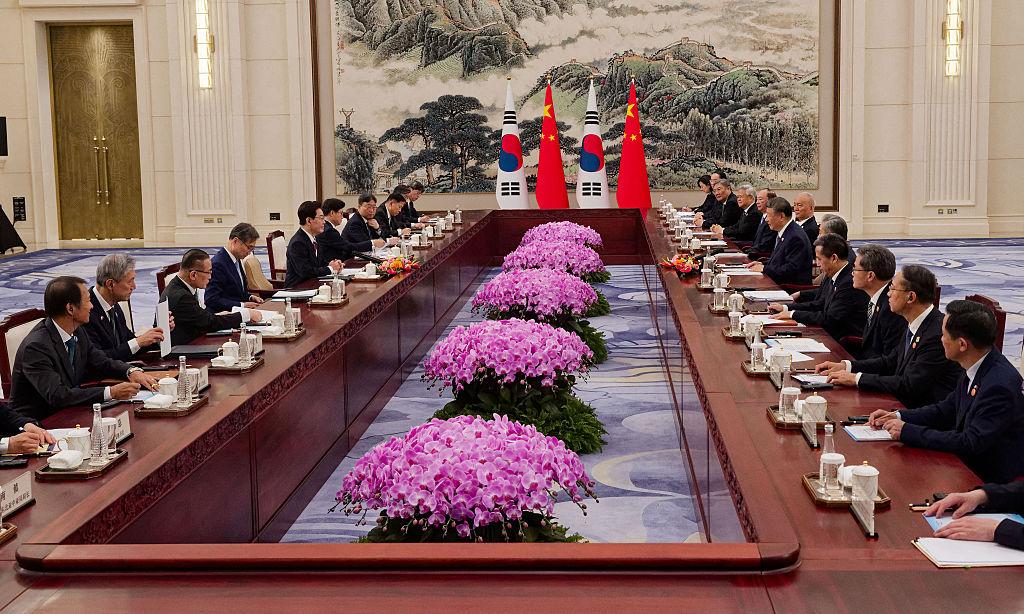
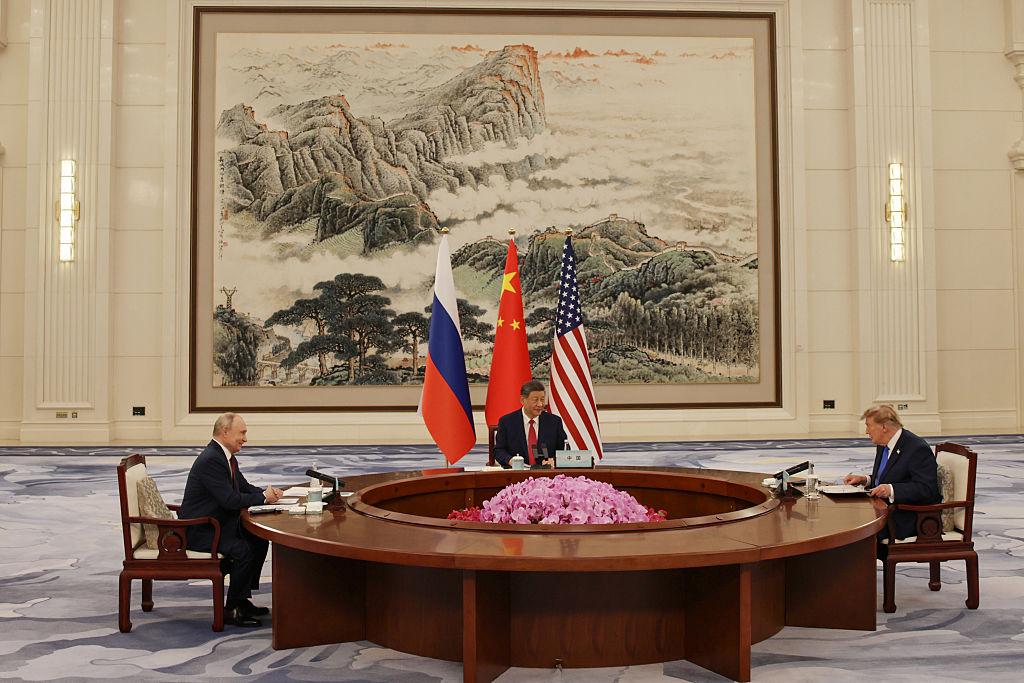
The unprecedented gathering took place at Kylin Villa in Shenzhen, on the sidelines of the Asia-Pacific Economic Cooperation summit.
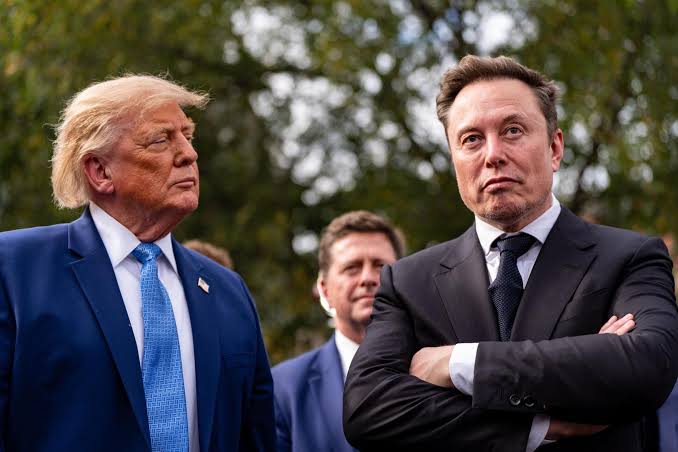
Trump, Xi and Putin appeared together before entering discussions behind closed doors.
The event marked the first formal trilateral summit involving the leaders of the United States, China and Russia.
The three countries hold permanent seats on the United Nations Security Council.
They also possess significant nuclear arsenals and maintain substantial influence over international security and global economic affairs.
Their relationship has been shaped by competition, strategic disagreements and disputes involving military power.
Washington and Beijing remain divided over trade restrictions, advanced technology and regional security.
Russia's war in Ukraine has created major tensions between Moscow and Western governments.
The conflict involving the United States and Iran has introduced additional instability into international relations.
Against that backdrop, the summit offered an unusual opportunity for direct communication among the three governments.
Xi welcomed the meeting as an important development in international diplomacy.
Trump emphasized the significance of the occasion.
Putin described the discussions as a new chapter in diplomatic relations.
However, the leaders' willingness to meet did not eliminate the disagreements separating their countries.
**A PEACE DECLARATION WITH FOUR MAJOR COMMITMENTS**
Following the summit, the three governments released a joint document titled the Declaration toward Peace.
The statement outlined four broad areas of agreement.
First, the leaders pledged to pursue reforms of the United Nations.
They said the organization should become more effective in responding to international challenges and maintaining global security.
Second, the countries announced plans to increase the production and supply of refined petroleum products.
They also emphasized the importance of maintaining stable energy flows.
Third, the leaders expressed support for the principle of state consent and protections for government officials under international law.
The declaration specifically addressed concerns about the jurisdiction of the International Criminal Court.
Fourth, the countries committed to dialogue aimed at reducing nuclear risks and preventing the proliferation of nuclear weapons.
These commitments represented areas where the three governments were willing to express common positions.
However, the statement contained few operational details.
It did not establish binding enforcement mechanisms.
It did not announce a schedule for implementing the proposals.
Nor did it explain how disagreements over the interpretation of those principles would be resolved.
The declaration therefore represented a statement of diplomatic intentions rather than a comprehensive international peace settlement.
**NUCLEAR WAR MUST NEVER BE FOUGHT**
Nuclear security became one of the most important subjects addressed during the summit.
The three leaders reaffirmed the principle that a nuclear war cannot be won and must never be fought.
Their joint declaration also called for discussions on reducing nuclear risks.
The commitment was notable because the United States and Russia possess the world's largest nuclear arsenals.
China maintains a smaller nuclear stockpile but continues developing its strategic capabilities.
Washington has repeatedly sought broader discussions involving all three countries.
Trump has expressed interest in negotiating arrangements that could reduce nuclear weapons and limit the risks of military escalation.
However, the final declaration did not announce an agreement to reduce the number of nuclear warheads.
It also failed to establish a timetable for formal arms-control negotiations.
The distinction is significant.
A commitment to discussing nuclear risks is not equivalent to a treaty requiring reductions in nuclear weapons.
Actual arms-control agreements generally require detailed provisions covering weapons limitations, verification and compliance.
None of those mechanisms was established in the declaration.
The leaders acknowledged the danger of nuclear conflict.
But they did not announce a concrete disarmament agreement.
**TRUMP'S NUCLEAR AMBITIONS FACE MAJOR OBSTACLES**
Trump has advocated including China in broader nuclear arms-control arrangements.
His administration has argued that strategic stability requires participation from the world's major nuclear powers.
Beijing has resisted proposals that would place China's arsenal under limitations comparable to those involving Washington and Moscow.
Chinese officials have maintained that the United States and Russia should first make substantial reductions in their considerably larger nuclear stockpiles.
The disagreement has complicated efforts to establish a three-way arms-control framework.
The issue has become more urgent following the expiration of a major U.S.-Russia nuclear arms-control treaty in February 2026.
Without a replacement agreement, international concerns have increased over the future of strategic weapons limitations.
During the Shenzhen meeting, Trump acknowledged the difficulty of giving up nuclear weapons.
The declaration's commitment to dialogue could create opportunities for further negotiations.
However, no agreement was announced on the number of weapons that might be reduced.
The governments also provided no public explanation of how future verification arrangements might operate.
For now, nuclear cooperation remains a diplomatic objective rather than a completed agreement.
**UKRAINE WAR ABSENT FROM PEACE DECLARATION**
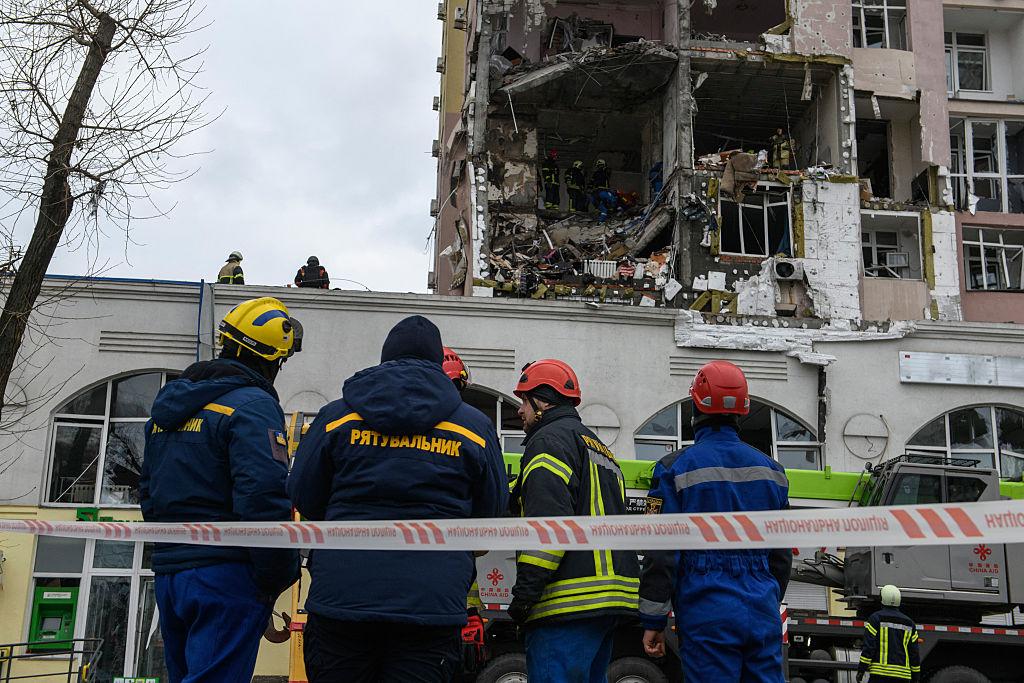
One of the most notable omissions concerned Russia's war in Ukraine.
The conflict has continued since Moscow launched its full-scale invasion in February 2022.
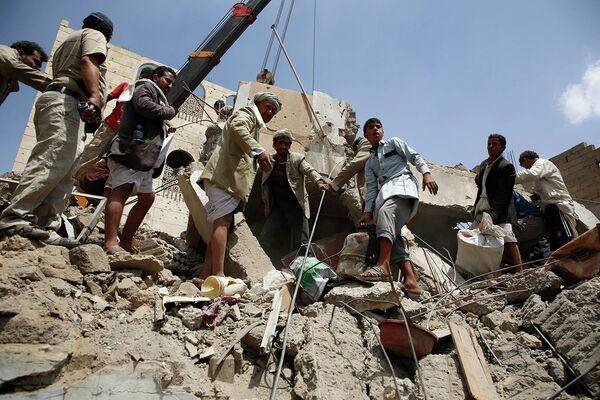
It has caused extensive civilian casualties, infrastructure damage and displacement.
Russia and Ukraine remain divided over territory, security arrangements and the conditions for ending hostilities.
The United States has participated in diplomatic efforts intended to encourage negotiations.
China has called for dialogue while maintaining important economic and political relations with Russia.
Before the trilateral meeting, officials indicated that Ukraine could be discussed.
Trump also said the conflict would feature in his conversations.
Putin referred to the war during his remarks and meetings with the other leaders.
Yet the final peace declaration contained no reference to Ukraine.
It did not call for a ceasefire.
It did not propose territorial arrangements or security guarantees.
It also contained no mechanism for involving Kyiv in a new negotiating process.
The omission underscored the distance between the leaders' public commitment to peace and the unresolved realities of the war.
**PUTIN RETURNS TO THE GLOBAL DIPLOMATIC SPOTLIGHT**
The summit provided Putin with a prominent appearance alongside the American and Chinese presidents.
Russia has faced extensive international sanctions and diplomatic criticism since its invasion of Ukraine.
Western governments have sought to restrict Moscow's financial and technological access while providing assistance to Kyiv.
Putin has argued that those restrictions have failed to isolate Russia.
His participation in the Shenzhen summit allowed him to present Moscow as a major power with an important role in international decision-making.
Before the trilateral gathering, Putin held separate discussions with both Xi and Trump.
He emphasized the shared responsibilities of the three countries for international security.
The Russian president also referred to their historical roles as victorious powers in World War II.
For Moscow, the meeting demonstrated its continued access to high-level diplomatic engagement.
However, that diplomatic access did not resolve the consequences of the war.
Sanctions remained in place.
Fighting continued in Ukraine.
And no peace agreement between Moscow and Kyiv emerged from the summit.
**TRUMP AND PUTIN HOLD SEPARATE TALKS**
Trump and Putin met individually before joining Xi for the three-way discussions.
The bilateral meeting was their first since August 2025.
Trump referred to Putin as his friend and highlighted the value of maintaining direct communication between nuclear powers.
Putin responded positively to the encounter.
Their interactions attracted attention because relations between Washington and Moscow remain strained by the war in Ukraine.
Supporters of direct diplomacy argue that communication between major military powers can reduce the risk of misunderstanding.
Critics contend that prominent meetings can provide diplomatic recognition without requiring meaningful policy changes.
The Shenzhen encounter demonstrated the competing considerations.
Trump emphasized the importance of personal relationships in international negotiations.
Putin welcomed the opportunity for direct engagement.
But the meeting produced no publicly announced agreement ending Russia's military operations.
The final trilateral declaration also contained no commitments requiring Moscow to halt its campaign.
The practical significance of the bilateral talks will therefore depend on any subsequent negotiations or policy decisions.
**TRUMP CONTACTS EUROPEAN LEADERS AFTER SUMMIT**
Following the talks, Trump participated remotely in a meeting involving European leaders and Ukrainian President Volodymyr Zelenskyy.
The discussions took place as U.S. representatives Jared Kushner and Steve Witkoff engaged with European officials in Berlin.
According to the Associated Press, more than 40 European leaders participated in the gathering.
Witkoff said Trump had discussed efforts to achieve peace in Ukraine during his conversations with Xi and Putin.
The development indicated that the Ukraine conflict remained part of broader diplomatic communication.
However, participation in discussions does not establish that the parties had reached an agreement.
European governments have repeatedly emphasized that Ukraine must be involved in decisions affecting its future.
The Shenzhen summit had already generated concerns about the possibility of major powers negotiating issues that affect other countries.
Trump's subsequent contact with European leaders provided another channel for communication.
But no comprehensive Ukraine settlement was announced.
The war continued despite the high-profile diplomatic meetings.
**IRAN CONFLICT ALSO MISSING FROM THE AGREEMENT**
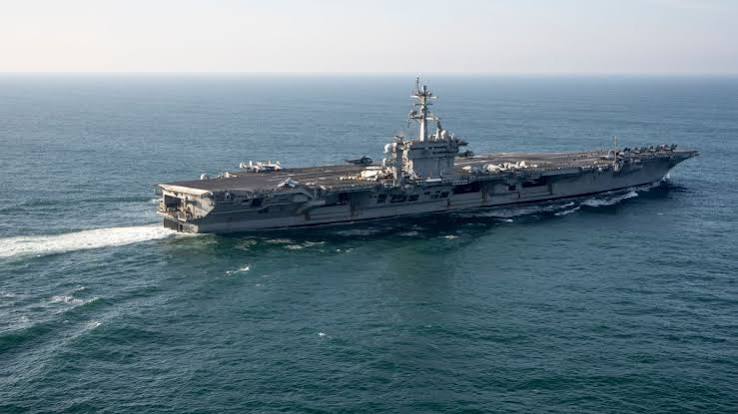
The second major omission involved the ongoing conflict between the United States and Iran.
The confrontation has raised concerns about regional security, international shipping and energy supplies.
The Strait of Hormuz has become an especially important issue.
The waterway is a critical route for international oil transportation.
Disruptions can affect energy markets and commercial shipping far beyond the Middle East.
Trump said he and Xi shared the view that Iran should fully reopen the strait.
He also said the two leaders agreed that Iran must not obtain nuclear weapons.
However, the final declaration made no mention of Iran.
It did not establish a ceasefire or a diplomatic framework for ending the conflict.
Nor did it announce commitments from China or Russia to support a particular American proposal.
The omission was particularly noticeable because the declaration addressed global energy security.
Stable petroleum supplies are closely connected to conditions in the Middle East.
Yet the document did not identify the Iran conflict as an issue requiring immediate action.
**GLOBAL OIL SUPPLIES ENTER THE AGREEMENT**
One of the declaration's more unexpected provisions concerned refined petroleum products.
The three governments announced plans to increase production and supplies for the benefit of other countries.
They also reaffirmed the importance of stable energy flows.
The commitment came during a period of heightened uncertainty in global energy markets.
Russia remains a major producer and exporter of oil.
The United States is one of the world's largest energy producers.
China is a major energy consumer and industrial economy.
Decisions involving these countries can influence international fuel markets.
However, the declaration did not specify how much additional refined petroleum would be produced.
It did not identify particular refineries, investment projects or export arrangements.
No timetable was provided for the proposed increase.
The statement also contained no detailed mechanism for coordinating national energy policies.
As a result, the commitment represented a general policy objective.
It was not evidence that additional fuel supplies had already entered international markets.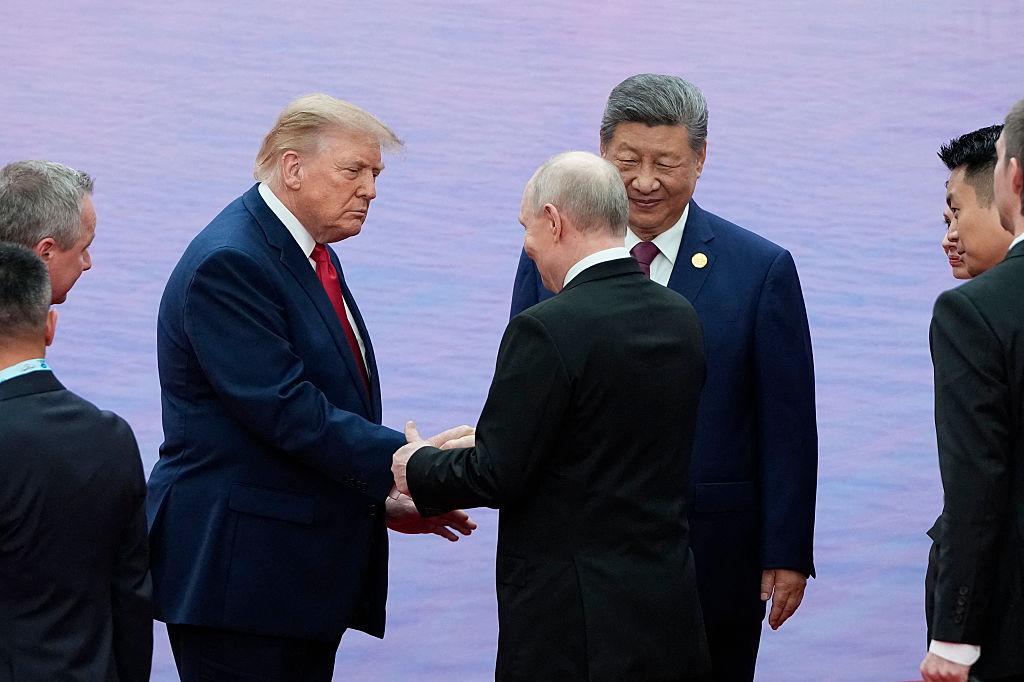
**UNITED NATIONS REFORM BECOMES A SHARED PRIORITY**
The leaders also agreed that the United Nations should undergo reforms.
All three countries are permanent members of the UN Security Council.
Each holds veto power over certain Security Council decisions.
That position gives Washington, Beijing and Moscow significant influence over international security decisions.
The declaration said the United Nations should respond more effectively to global challenges.
It also called for strengthening the organization's ability to maintain international peace and security.
However, the statement did not explain which institutional changes the three governments supported.
It contained no detailed proposal concerning Security Council membership.
Nor did it establish a timetable for negotiations over UN reform.
Reforming the United Nations can involve complex political disagreements.
Member countries hold different positions on representation, decision-making and the use of veto powers.
Even the three countries issuing the declaration have frequently disagreed within the Security Council.
Their shared commitment to reform therefore represents a broad diplomatic position.
Whether it produces institutional changes remains uncertain.
**INTERNATIONAL CRIMINAL COURT FACES CRITICISM**
Another significant part of the declaration concerned the International Criminal Court.
The leaders emphasized state consent and protections for government officials under international law.
They also stated that international judicial institutions should not misuse their jurisdiction.
The issue carries particular importance for Putin.
The International Criminal Court issued an arrest warrant for the Russian president in connection with alleged war crimes involving the deportation and transfer of Ukrainian children.
Russia rejects the court's jurisdiction and the accusations against Putin.
The United States has also challenged certain actions taken by the ICC.
Washington has opposed the court's arrest warrant against former Israeli Prime Minister Benjamin Netanyahu.
The Shenzhen declaration reflected concerns shared by the three governments about international judicial authority.
However, the declaration did not legally cancel any existing arrest warrant.
It also did not amend the treaty governing the International Criminal Court.
Changing the court's jurisdiction or legal procedures would require processes beyond a statement by three national leaders.
The agreement therefore expressed a political and legal position without itself changing the court's authority.
**NORTH KOREA LEFT OUT OF NUCLEAR DISCUSSIONS**
The declaration's nuclear language also attracted attention in South Korea.
According to Yonhap News Agency, the document did not mention North Korea.
It also contained no reference to denuclearization of the Korean Peninsula.
That omission was notable because the leaders had agreed to discuss nuclear risks and proliferation.
North Korea's nuclear weapons program remains a major concern for Seoul, Washington and regional governments.
China and Russia have important relationships with Pyongyang.
The United States maintains a military alliance with South Korea.
All three major powers therefore have interests in developments involving North Korea.
Yet the declaration contained no specific proposal addressing the North Korean nuclear issue.
It did not announce negotiations with Pyongyang.
Nor did it establish a new framework for reducing nuclear tensions on the peninsula.
The broader commitment to preventing proliferation could encompass future discussions.
However, the text itself did not identify North Korea as a subject of agreement.
**TAIWAN ALSO ABSENT FROM THE FINAL STATEMENT**
The summit likewise produced no specific agreement concerning Taiwan.
Beijing claims Taiwan as part of China and has not ruled out using force to achieve unification.
Taiwan's democratically elected government rejects Beijing's authority.
The United States maintains an unofficial relationship with Taiwan and provides defensive support.
The issue remains a significant source of tension between Washington and Beijing.
China considers Taiwan a matter of sovereignty and internal affairs.
American officials have emphasized the importance of maintaining peace and stability across the Taiwan Strait.
Despite those disagreements, Taiwan was not addressed in the declaration.
The absence of a reference does not establish that the leaders reached a private understanding.
It also does not indicate that either side changed its position.
Rather, the public statement avoided another issue where the governments hold substantially different views.
The omission reinforced the limited scope of the agreement.
**XI JINPING EMERGES AS SUMMIT HOST**
China played the central organizing role in bringing the three presidents together.
Xi hosted the gathering in Shenzhen and presided over the discussions.
The event allowed Beijing to present itself as a major diplomatic center capable of convening rival powers.
Xi emphasized dialogue, international cooperation and the responsibility of powerful countries to maintain global stability.
He described the talks as positive and productive.
Chinese state media reported that the three leaders shared views on protecting world peace.
The summit also followed separate meetings between Xi and the other presidents.
Xi and Putin met on November 18.
Trump arrived in China after diplomatic engagements elsewhere in Asia.
The carefully arranged meetings demonstrated Beijing's ability to host a major international event.
However, China's diplomatic visibility did not automatically translate into concessions from Washington or Moscow.
The final declaration reflected areas of limited agreement.
Major disputes involving trade, military security and regional conflicts remained unresolved.
**TRUMP PRAISES THE HISTORIC GATHERING**
Trump offered an enthusiastic assessment of the summit.
He described the meeting as an important moment in international diplomacy.
Speaking to NBC after the gathering, Trump said the talks had gone extremely well.
He also praised the personal relationships established or reinforced during the discussions.
His comments reflected his preference for direct engagement with other national leaders.
Trump has frequently argued that personal diplomacy can help reduce international tensions.
The Shenzhen meeting provided a prominent example of that approach.
He also compared the event's historical importance with the 1945 Yalta Conference.
That wartime conference brought together leaders of the United States, Britain and the Soviet Union.
However, the comparison does not establish that the Shenzhen summit reached agreements of similar scope.
Yalta involved decisions concerning the postwar international order.
The Shenzhen declaration contained broad principles without comparable detailed arrangements.
Trump's positive assessment therefore reflected his interpretation of the diplomatic event.
The actual commitments remained limited.
**A HISTORIC SUMMIT WITHOUT A MAJOR BREAKTHROUGH**
The contrast between the ceremony and the final agreement became one of the defining features of the meeting.
Three leaders representing major military and economic powers sat together at a formal negotiating table.
They discussed international security and expressed a willingness to pursue cooperation.
Their governments subsequently released a joint document.
But the declaration contained no agreement to end either of the major wars discussed around the summit.
It also included no nuclear weapons reduction targets.
There was no announced mechanism for enforcing the commitments.
And no detailed timetable for implementation was provided.
The meeting nonetheless demonstrated that dialogue among the three governments remains possible.
Such communication can have value during periods of heightened geopolitical tension.
However, maintaining diplomatic channels is different from resolving underlying disputes.
The summit established broad areas for future discussion.
Whether those discussions produce measurable results remains an open question.
**WHAT HAPPENS NEXT?**
Attention now turns to whether Washington, Beijing and Moscow will translate their declaration into practical policies.
Chinese Foreign Minister Wang Yi indicated that the countries would maintain coordination at the working level.
That could allow officials to continue discussing the subjects raised in Shenzhen.
Nuclear risk reduction is likely to remain an important issue.
The governments would need to determine whether discussions can develop into formal negotiations.
Any future arms-control agreement would require detailed commitments and verification arrangements.
United Nations reform presents another challenge.
The declaration expressed support for institutional improvements but provided no specific proposal.
Energy cooperation will also require additional decisions.
Increasing refined petroleum supplies would involve production capacity, investment, distribution and market conditions.
The governments have not announced a coordinated production target.
Meanwhile, the disputes omitted from the peace declaration remain unresolved.
Russia continues its war in Ukraine.
The United States remains involved in the conflict with Iran.
Tensions over Taiwan and the Korean Peninsula persist.
International disagreements concerning the ICC also remain significant.
For Trump, the next challenge is demonstrating whether his engagement with Xi and Putin can produce concrete diplomatic results.
For Xi, the meeting reinforced China's role as a host of high-level international negotiations.
For Putin, the summit provided visibility and direct access to the leaders of the United States and China.
But the declaration itself did not end a war.
It did not eliminate nuclear weapons.
And it did not create a binding framework for resolving the world's major security disputes.
Its importance lies in the willingness of three powerful governments to identify common principles despite their disagreements.
The limits of those principles are equally significant.
The leaders have agreed to continue dialogue.
They have expressed support for international stability.
And they have committed to discussing nuclear risks.
But the central conflicts dividing their countries remain.
For now, the unprecedented Shenzhen summit has produced a symbolic declaration rather than a comprehensive peace settlement.
Three world powers have publicly committed themselves to peace.
The next question is whether their governments can turn those words into actions.