UK MOVES TO UNDO BREXIT DAMAGE—BUT EU DEMANDS A PRICE
BRUSSELS / LONDON, November 20, 2026 — Britain and the European Union are preparing to announce a major reset in their relationship on Friday, nearly a decade after British voters chose to leave the bloc, with new agreements expected to ease trade restrictions, expand opportunities for young people and strengthen economic cooperation.
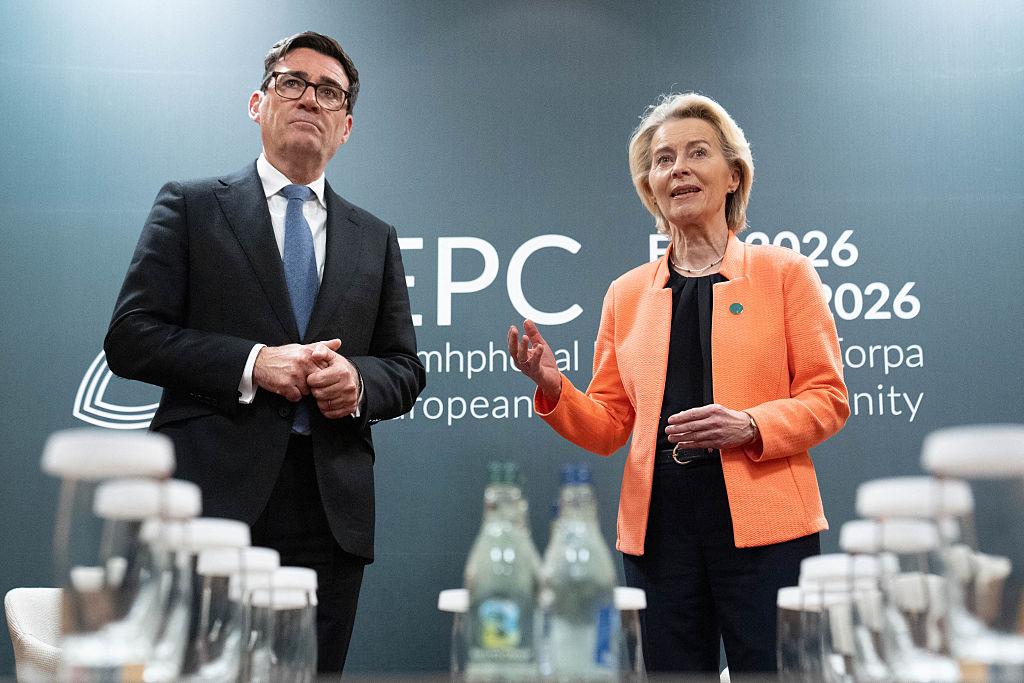
British Prime Minister Andy Burnham is traveling to Brussels for a summit with European Commission President Ursula von der Leyen and European Council President António Costa.
The meeting could produce the most significant improvement in relations between London and Brussels since Britain's departure from the European Union.
Negotiators have moved toward agreements involving food trade, carbon emissions, youth mobility and economic security.
One proposal could allow as many as 100,000 young EU citizens to live, work or study in Britain annually under a new mobility arrangement.
Another could remove costly border checks on many agricultural products.
The British government estimates that easier food trade could eventually add up to £5.1 billion, or approximately $6.7 billion, annually to the economy.
But behind the diplomatic optimism, serious disagreements remain.
The EU wants Britain to follow European regulations in exchange for easier access to its markets.
London wants the economic benefits of closer cooperation without surrendering control over major domestic policies.
The two sides are also divided over university tuition fees, industrial subsidies and the future of Britain's relationship with European institutions.
And Burnham has introduced an even bigger political question.
The British prime minister has openly suggested that Britain should consider rejoining the European Union.
His remarks have reopened one of the most divisive debates in modern British politics.
Yet despite the prospect of a major agreement, Britain is not preparing to rejoin the EU at Friday's summit.
The proposed reset is intended to improve relations while leaving the basic structure of Brexit in place.
**BRITAIN AND EUROPE PREPARE FOR HISTORIC RESET**
The November 20 summit comes ten years after Britain's 2016 referendum on European Union membership.
That vote ultimately led to the United Kingdom formally leaving the EU in January 2020.
The departure ended decades of British membership in the European political and economic project.
It also introduced new barriers affecting trade, travel, employment and business operations.
Relations between London and Brussels became strained during negotiations over withdrawal arrangements and the future trading relationship.
Disputes over Northern Ireland, immigration and regulatory standards continued after Brexit took effect.
The latest summit represents an effort to reduce those tensions.
Burnham's government has made closer relations with Europe a major priority.
European leaders have also indicated that cooperation with Britain has become increasingly important.
The summit is only the second formal UK-EU gathering of its kind since Brexit.
Officials are expected to discuss a package of agreements designed to produce practical economic benefits.
However, the meeting takes place against a complicated political background.
Both sides want closer cooperation.
But they remain divided over how much integration Britain should accept in return.
**BURNHAM SAYS BREXIT HAS FAILED BRITAIN**
Burnham has taken a more openly critical position toward Brexit than previous British governments.
Earlier this week, the prime minister argued that Britain had experienced greater economic losses than benefits from leaving the European Union.
He described the existing relationship as inadequate.
His remarks marked a significant political development because British leaders have often avoided openly discussing the possibility of reversing Brexit.
Burnham has gone further.
He has said that Britain should consider all available options for its future relationship with Europe.
That includes the possibility of eventually rejoining the EU.
However, he has not announced a formal application for renewed membership.
Nor has his government established a timetable for another referendum.
The prime minister has emphasized that restoring membership would be a major political decision requiring public support.
European governments would also need to agree.
For now, Burnham's immediate priority is negotiating practical improvements to the existing relationship.
His government argues that reducing trade barriers and expanding cooperation can benefit businesses and households.
The summit will provide an early test of whether that approach can produce results.
**A £5.1 BILLION FOOD TRADE AGREEMENT**
One of the most economically significant proposals involves agricultural and food products.
Britain and the EU are preparing to reduce barriers affecting cross-border trade in animals, plants and related goods.
Since Brexit, businesses have faced additional documentation and inspection requirements.
These procedures affect products ranging from meat and dairy goods to seeds and agricultural materials.
They can increase costs and delay deliveries.
Food exporters are particularly sensitive to additional border procedures because some products have limited shelf lives.
The proposed agreement would align British and European sanitary and phytosanitary standards in important areas.
That could eliminate many existing certification requirements and border controls.
The British government estimates that the arrangement could eventually increase annual economic output by as much as £5.1 billion.
The figure represents an estimate of potential economic benefits rather than money already generated.
Actual results would depend on implementation, business activity and the agreement's final terms.
According to a draft reviewed by Euronews, the new arrangements could begin operating on March 1, 2028.
However, the summit is expected to establish the political framework rather than immediately remove every barrier.
Businesses would still need to prepare for regulatory changes.
**SUPERMARKET PRICES BECOME A MAJOR SELLING POINT**
Burnham has presented the proposed food agreement as a way to improve daily life for British households.
The government argues that reducing unnecessary trade costs could help businesses operate more efficiently.
Food importers and exporters currently face administrative expenses linked to post-Brexit requirements.
Removing some of those procedures could lower transportation and compliance costs.
Businesses may then be able to pass part of those savings to customers.
However, lower trading costs do not automatically guarantee that supermarket prices will fall.
Retail prices depend on several factors.
These include energy costs, transportation expenses, wages, competition and agricultural production.
Currency movements can also affect the cost of imported products.
The government's economic case is therefore based on potential benefits rather than a guaranteed reduction in every household's shopping bill.
Nevertheless, food trade is one of the most visible areas where Brexit created additional administrative requirements.
An agreement could provide measurable advantages for businesses trading across the English Channel.
The final terms will determine how extensive those advantages become.
**100,000 YOUNG EUROPEANS COULD ENTER BRITAIN**
Another major development involves a proposed youth mobility program.
British and European negotiators have provisionally agreed on a limit of 100,000 EU participants entering Britain annually.
The proposed program would allow eligible young people to live, work or study in each other's territories for limited periods.
The expected maximum stay is three years.
The arrangement would create opportunities for young adults seeking international work experience or education.
It could also benefit employers facing recruitment difficulties.
However, the proposed agreement has become politically sensitive because immigration played an important role in the Brexit referendum.
Britain initially sought a considerably lower annual limit.
The government proposed allowing approximately 50,000 participants.
European negotiators pressed for a larger program.
During negotiations, Britain agreed to increase the proposed number to 100,000.
The age limit was also raised from 30 to 31.
The arrangement would include opportunities for British young people to participate in European countries.
However, the exact distribution of places across EU member states and the final operating rules remain subject to agreement.
The proposed number does not mean that 100,000 people have already entered Britain under the scheme.
The program has not yet begun.
**YOUTH MOBILITY IS NOT THE RETURN OF FREE MOVEMENT**
The proposed mobility arrangement has generated debate about whether Britain is moving toward restoring free movement with Europe.
Before Brexit, eligible EU citizens could generally live and work in the United Kingdom under European free movement rules.
British citizens enjoyed corresponding rights across the EU.
Brexit ended that framework.
The proposed youth scheme would be substantially more limited.
It would apply to eligible participants within a defined age range.
It would restrict the duration of stays.
And it would operate under specific conditions and possible numerical limits.
The arrangement therefore should not be interpreted as a full restoration of the pre-Brexit system.
It would not automatically give every EU citizen the right to settle permanently in Britain.
Nor would it provide unrestricted access to employment across all age groups.
The distinction matters because political opponents of the agreement have raised concerns about immigration.
Supporters argue that temporary mobility can create educational and economic opportunities without reversing Brexit.
The debate is likely to continue as negotiators finalize the scheme.
**UNIVERSITY FEES THREATEN THE AGREEMENT**
One of the most difficult negotiating issues concerns tuition fees for European students attending British universities.
EU governments have sought arrangements allowing their students to receive treatment comparable to British students.
That would mean access to domestic tuition fee rates.
Britain has resisted the proposal.
International students often pay substantially more than domestic students at British universities.
Reuters reported that international tuition fees are typically around three times higher.
The difference creates major financial implications for universities.
British institutions receive significant revenue from international students.
Reducing fees for large numbers of European students could affect university budgets.
London has therefore proposed offering significantly reduced fees rather than automatically applying domestic rates.
The disagreement threatened to complicate the wider summit package.
However, negotiators made progress on Thursday night.
According to The Guardian, the EU agreed not to insist that the precise tuition fee arrangement be included in the main summit declaration.
Instead, the issue would be addressed through further negotiations.
The two sides are aiming to resolve it within six months.
That compromise could allow the broader agreement to advance without resolving every financial question immediately.
**FRANCE RESISTS BRITAIN'S DEMAND FOR INFLUENCE**
Another dispute has involved Britain's role in shaping European regulations.
London wants greater influence over rules that British businesses may be required to follow under new trade agreements.
The issue is particularly important in the agricultural sector.
If Britain aligns with EU food standards, future European regulatory changes could also affect British producers.
The British government therefore sought a meaningful role in discussions about those rules.
However, France opposed giving Britain voting rights over European legislation.
Paris has maintained that a country outside the EU should not enjoy the same decision-making powers as member states.
The disagreement reflects a fundamental consequence of Brexit.
Britain wants easier access to the European market.
But it no longer participates in EU institutions as a member country.
According to reporting by The Guardian, negotiators moved toward a compromise.
Britain would be consulted on relevant future rules rather than receive full voting powers.
The precise consultation arrangements remain uncertain.
The outcome illustrates the limits of the reset.
Closer economic cooperation does not automatically restore political influence over European lawmaking.
**THE EU WANTS BRITAIN TO FOLLOW ITS RULES**
Regulatory alignment is becoming one of the most sensitive subjects in the negotiations.
The European Union maintains common rules governing many products and industries.
Those rules allow goods to circulate throughout its single market.
Countries seeking easier access may be required to adopt equivalent standards.
Britain wants the economic advantages of closer integration.
But accepting European regulations can generate political opposition from Brexit supporters.
The disagreement extends beyond food products.
It also affects automobiles, industrial goods and economic security.
Reuters reported that Britain wants special treatment under European policies favoring products made within Europe.
Such treatment could benefit British manufacturers.
However, Brussels has suggested that access should depend on closer alignment with EU economic policies.
That could require Britain to change some of its approaches toward international trade.
The dispute demonstrates the difficult balance facing Burnham.
His government wants to reduce the economic disadvantages of Brexit.
But accepting additional EU rules could be portrayed by opponents as weakening British sovereignty.
**CHINESE ELECTRIC VEHICLES ENTER THE BREXIT DEBATE**
The negotiations have also become connected to competition involving Chinese electric vehicles.
The EU has imposed trade measures affecting certain Chinese-made electric cars.
European officials argue that industrial subsidies can create unfair competition for domestic manufacturers.
Beijing disputes that assessment.
Britain has pursued its own approach toward Chinese automotive imports.
However, the EU is considering conditions for allowing British manufacturers to benefit from European industrial preference rules.
According to Reuters, those conditions could require Britain to align more closely with European policies.
One possible consequence would be British tariffs on Chinese electric vehicles.
No final agreement on such tariffs was established in the reporting available before the summit.
The issue highlights how closer cooperation with Europe could influence Britain's trade relations with other countries.
Automotive manufacturers operate across complex international supply chains.
Many depend on components and investment from multiple markets.
Changes in tariffs can affect production costs, competition and consumer prices.
The UK-EU reset therefore has implications extending beyond bilateral trade.
It also touches on wider competition between Europe and China.
**BRITAIN AND EUROPE MOVE TO LINK CARBON MARKETS**
Another expected agreement involves emissions trading.
Britain and the EU currently operate separate systems designed to place a price on greenhouse gas emissions.
The proposed arrangement would link the two markets.
That could reduce barriers affecting companies trading carbon-intensive products across the English Channel.
Steel is one important example.
Both sides have introduced or developed policies intended to prevent companies from avoiding carbon costs by relocating production.
These arrangements can create financial complications when trading partners operate different emissions pricing systems.
Linking the markets could remove the need for certain carbon border levies between Britain and the EU.
That would benefit businesses exposed to overlapping regulatory costs.
However, the proposal still requires implementation.
A draft reviewed by Euronews did not establish a final date for the arrangement to begin.
The agreement would therefore represent progress toward future coordination.
It would not immediately eliminate every carbon-related trade obligation.
**ELECTRICITY MARKET DEAL REMAINS UNRESOLVED**
Britain also wants closer access to the European electricity market.
Energy prices have become a major concern for households and businesses.
Greater market integration could improve electricity trading across interconnectors linking Britain with neighboring countries.
The arrangement could also help manage changing supplies from renewable energy sources.
However, negotiations remain complicated.
Brussels has sought financial contributions from Britain as a condition of deeper market participation.
Those contributions would support certain EU funding arrangements.
London has resisted accepting obligations it considers excessive.
According to the draft examined by Euronews, both sides intend to continue negotiations toward a possible agreement in 2027.
That means an electricity market deal is not expected to be fully completed during Friday's summit.
The issue reflects a familiar pattern.
The UK and EU recognize potential economic benefits from cooperation.
But they disagree about the financial and regulatory conditions required.
Those questions will need further negotiations.
**RUSSIA'S WAR IN UKRAINE PUSHES THE SIDES CLOSER**
Security concerns have become another major reason for Britain and the EU to improve relations.
Russia's full-scale invasion of Ukraine has changed European defense priorities.
European governments have increased military spending and sought stronger coordination.
Britain remains an important military power despite leaving the EU.
Its armed forces, defense industry and intelligence capabilities contribute to European security.
The United Kingdom has also provided significant military assistance to Ukraine.
European leaders increasingly recognize the importance of cooperation with London.
The latest summit is expected to address defense industrial coordination and support for Ukraine.
However, disagreements remain over British participation in EU defense funding programs.
France has expressed concerns about granting British companies broad access to European defense initiatives.
Those concerns involve competition and the development of Europe's own industrial capabilities.
Negotiators are exploring ways to improve cooperation while respecting the EU's internal rules.
The summit could provide a framework for additional discussions.
But no unrestricted British access to European defense programs had been confirmed.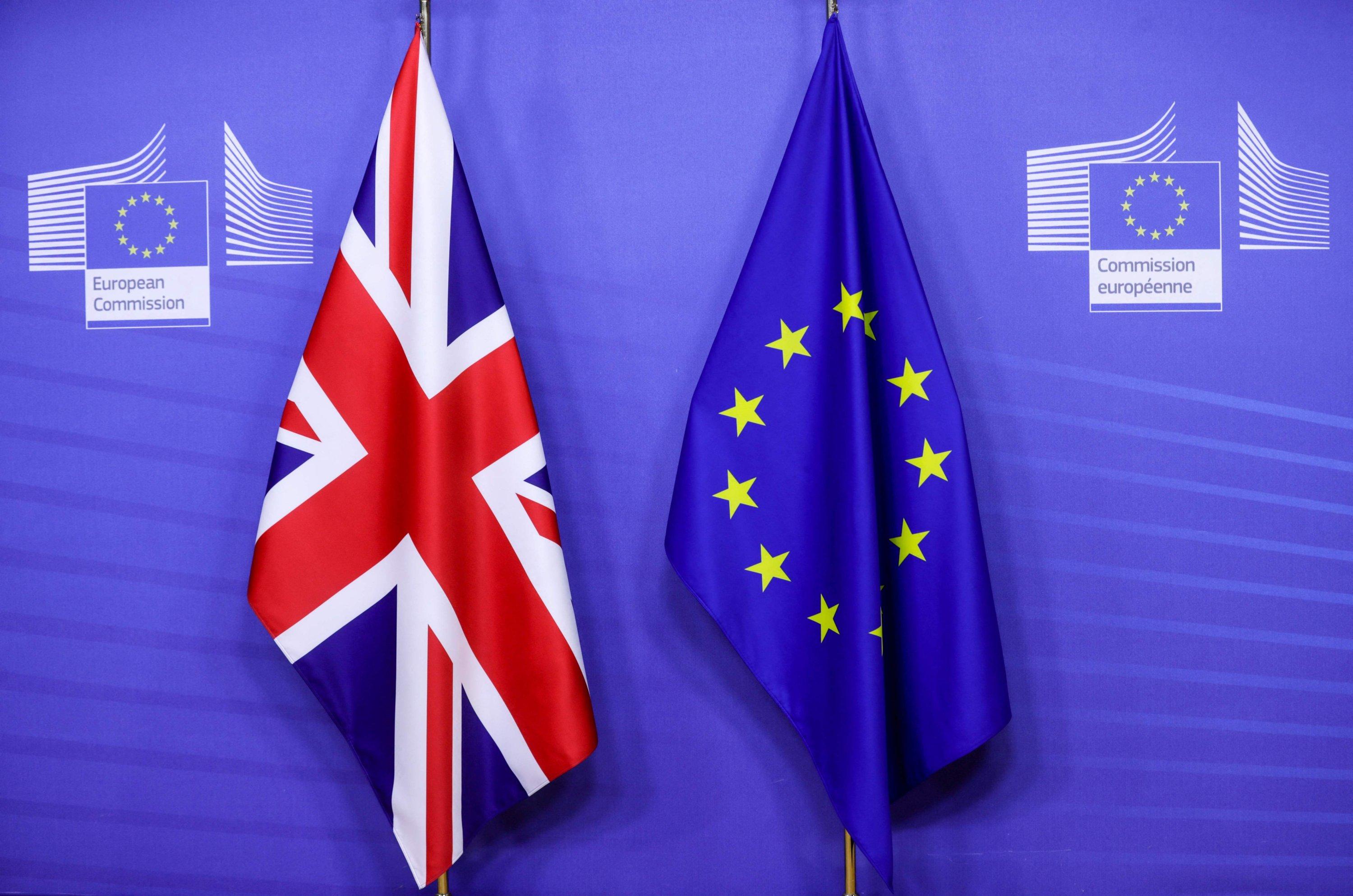
**EUROPE RESPONDS TO TRUMP'S TRADE POLICIES**
Relations between Britain and the EU are also being influenced by developments in the United States.
President Donald Trump's administration has pursued tariff policies affecting international trade.
Those measures have created uncertainty for European exporters and businesses.
Both Britain and the EU have interests in maintaining stable commercial relationships with Washington.
However, they also want to reduce vulnerabilities associated with changing American policies.
Closer economic cooperation could strengthen their ability to manage international trade disruptions.
The issue extends beyond tariffs.
European governments are also considering the future of American military commitments on the continent.
Concerns about security dependence have encouraged discussion of stronger European defense capabilities.
Britain's military strength makes it an important potential partner.
The result is a changing geopolitical environment.
London and Brussels remain separated by Brexit.
But international economic and security pressures are encouraging greater cooperation.
**CHINA AND CRITICAL MINERALS ADD NEW PRESSURE**
Competition involving China has become another factor in the negotiations.
European industries depend on international supply chains for critical minerals and advanced technologies.
China plays an important role in processing and supplying materials used in batteries, electronics and industrial equipment.
Governments are increasingly concerned about concentrated supply chains.
Disruptions can affect manufacturing and national security.
Britain and the EU are therefore exploring closer cooperation on economic security.
A draft summit statement calls for dialogue involving export controls, technology transfers and supply chain resilience.
The proposed discussions could help governments respond to disruptions affecting strategic industries.
However, the draft also reveals disagreements over the extent of coordination.
Brussels wants stronger commitments to equivalent economic outcomes.
London prefers language providing greater flexibility.
Those differences remain significant.
A joint statement would not automatically establish a unified policy toward China.
Future decisions would depend on negotiations and national priorities.
**FARAGE ACCUSES BURNHAM OF REVERSING BREXIT**
The proposed agreement has generated opposition within British politics.
Reform UK leader Nigel Farage has criticized Burnham's approach.
He argues that closer cooperation with Brussels risks undermining the decision made by British voters in 2016.
Farage has suggested that the government is moving toward renewed EU membership through a series of smaller agreements.
His position reflects concerns among Brexit supporters about sovereignty and immigration.
However, Farage has also acknowledged that reducing agricultural trade barriers could benefit British exporters.
That distinction illustrates the complexity of the debate.
Some opponents of closer political integration still recognize possible economic benefits from particular agreements.
Burnham maintains that improving trade and mobility arrangements is necessary to address existing problems.
The disagreement centers on how far Britain should go.
One side views closer cooperation as a practical response to economic challenges.
The other worries that regulatory alignment could gradually weaken the independence gained through Brexit.
The summit is unlikely to resolve that political debate.
**COULD BRITAIN ACTUALLY REJOIN THE EU?**
Burnham's comments about possible EU membership have attracted considerable attention.
However, rejoining would be far more complicated than negotiating the current reset package.
Britain would need to make a formal political decision to pursue membership.
A future application would require extensive negotiations.
EU member states would also need to agree to Britain's return.
Questions would arise over budget contributions, regulations, immigration and participation in European institutions.
The process could involve difficult negotiations over conditions previously negotiated during Britain's membership.
Public support in Britain would also be important.
Burnham has not announced that his government is beginning such a process.
He has instead argued that different options should remain available for consideration.
European officials have reacted cautiously.
Some have expressed concern about the shifting positions of successive British governments.
Brussels wants greater certainty about London's long-term intentions.
The present summit therefore should not be interpreted as an announcement that Britain is rejoining the EU.
It is an effort to improve relations under the existing post-Brexit framework.
**EUROPEAN LEADERS WANT LONG-TERM CERTAINTY**
The European Union has dealt with several British governments since the Brexit referendum.
Each administration has brought different priorities to the relationship.
That experience has contributed to concerns about policy consistency.
European officials want clarity about what Britain is prepared to accept.
They also want confidence that new commitments will remain politically sustainable.
Irish Ambassador to Britain Sonja Hyland has emphasized the importance of London clearly defining its objectives.
The issue is particularly important because agreements involving regulatory alignment may require long-term implementation.
Businesses need predictable rules.
Governments need procedures for resolving disputes.
European institutions must consider the interests of all member states.
Britain, meanwhile, must balance economic cooperation with domestic political concerns.
These competing requirements make the reset more complicated than a simple diplomatic reconciliation.
The two sides may agree on broad goals.
But the detailed implementation of those goals could remain contested for years.
**A MAJOR POLITICAL TEST FOR ANDY BURNHAM**
Friday's summit represents an important moment for Burnham's premiership.
He took office in July following the resignation of Keir Starmer.
The summit was subsequently rescheduled for November.
Burnham has made rebuilding relations with Europe a central part of his government's political agenda.
He argues that Britain needs a more practical relationship with its largest neighboring trading bloc.
The prime minister has also linked the reset to efforts to improve living standards.
His government expects benefits from reduced trade friction, stronger energy cooperation and improved mobility arrangements.
However, delivering those objectives requires concessions.
The increase in the youth mobility cap from 50,000 to 100,000 demonstrates one area where Britain has moved toward the EU's position.
The dispute over food regulations shows another.
Burnham must now explain those compromises to British voters.
He must also demonstrate that they produce meaningful economic benefits.
The summit could provide an important diplomatic achievement.
But its political consequences will depend on the final agreements and their implementation.
**WHAT HAPPENS NEXT?**
The immediate focus is Friday's summit in Brussels.
Burnham is expected to meet von der Leyen and Costa before broader discussions involving British ministers and European commissioners.
Officials are preparing a package of agreements covering food trade, emissions trading and youth mobility.
The most advanced proposals could reduce barriers affecting agricultural products and carbon-intensive industries.
Negotiators have also reached a provisional understanding on allowing up to 100,000 young EU citizens to participate annually in a new mobility program.
However, several important details remain unresolved.
The two sides still need to complete arrangements concerning university tuition fees.
Those discussions are expected to continue over the next six months.
Britain's influence over future European food regulations also requires further clarification.
Negotiations involving electricity market integration are expected to continue into 2027.
Defense industrial cooperation presents additional challenges.
And disagreements over regulatory alignment could affect future discussions concerning automobiles and strategic industries.
The proposed agreements will not immediately restore Britain's former rights as an EU member.
Nor will they eliminate every economic consequence of Brexit.
Their practical effects will depend on implementation dates, final legal terms and business responses.
For Burnham, the summit provides an opportunity to demonstrate that closer cooperation can deliver economic benefits.
For European leaders, it offers a chance to strengthen relations with a major trading and security partner.
But the most politically sensitive question remains unanswered.
How close can Britain move toward the European Union without becoming a member again?
Burnham has acknowledged that rejoining should remain an option for future consideration.
Yet no formal membership application has been announced.
The EU has not offered Britain a guaranteed route back.
And the proposed reset does not reverse the 2016 referendum.
What it does demonstrate is a significant change in the political relationship.
After years of disputes, London and Brussels are preparing to expand cooperation.
The negotiations have already produced movement on trade and youth mobility.
But they have also exposed the costs and compromises involved in rebuilding economic ties.
The result may be a more practical relationship between Britain and Europe.
It will not be a complete return to the arrangements that existed before Brexit.
For now, both sides are approaching an important agreement.
The economic opportunities are substantial.
The political disagreements remain.
And the future of Britain's relationship with the European Union is still an open question.