World on Edge: Trump Signals Ukraine Peace Deal as Europe Faces Bomb Threats and Iran War Intensifies
**WASHINGTON, D.C. — November 6, 2026**
A wave of international developments has brought renewed uncertainty to global politics and security, with President Donald Trump suggesting that an agreement to end the Russia-Ukraine war may be approaching, European airlines confronting widespread bomb threats, and tensions surrounding Iran continuing to threaten commercial shipping.
Meanwhile, political turmoil in Latin America, changes in the balance of power in Washington, and renewed concerns over international security are adding to a rapidly evolving global picture.
A Reuters world news roundup published November 6 highlights the scale of these developments, illustrating how diplomatic negotiations, regional conflicts, and domestic political crises are unfolding simultaneously.
## Trump Meets Putin's Envoy and Predicts Progress Toward Ukraine Peace
President Trump said Thursday that he had privately met Kirill Dmitriev, a special envoy representing Russian President Vladimir Putin.
The meeting followed Dmitriev's appearance alongside Ukrainian representatives at a White House event organized by First Lady Melania Trump.
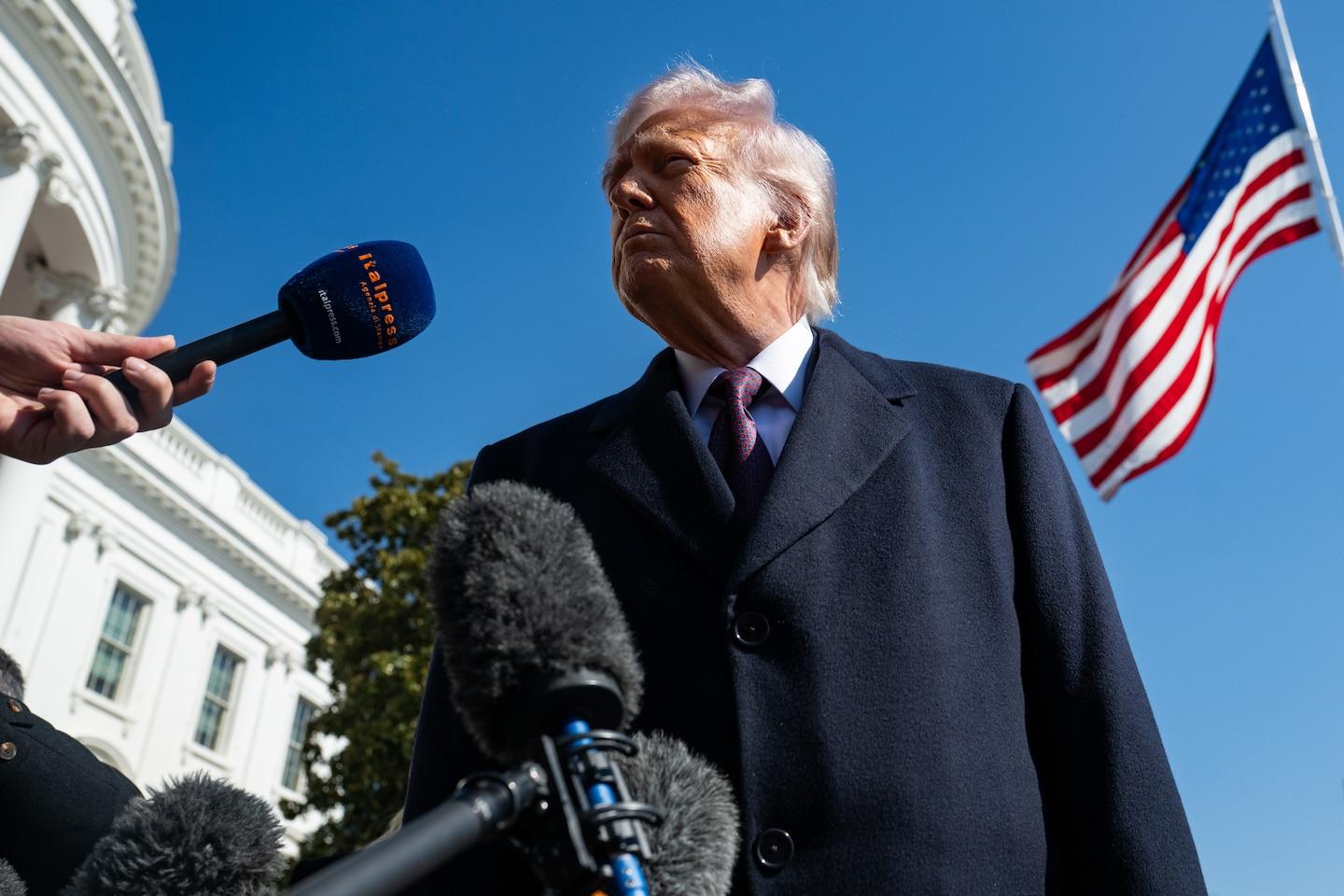
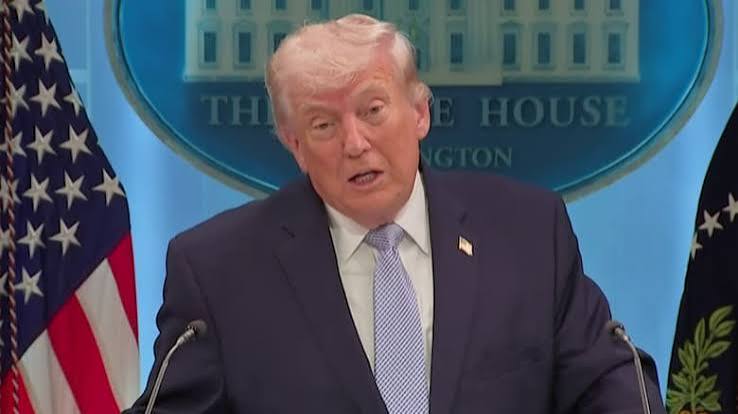
Speaking to reporters, Trump expressed optimism about the possibility of reaching an agreement to end Russia's war in Ukraine.
He did not disclose the details of his conversation with Dmitriev but suggested that a settlement could emerge soon.
The president also indicated that European countries could play a significant role in bringing the conflict to an end.
Despite Trump's optimistic comments, no final peace agreement was announced.
Ukrainian President Volodymyr Zelenskyy, meanwhile, emphasized the importance of adapting to the changing political environment in the United States.
In an interview broadcast Thursday, Zelenskyy said Ukraine must strengthen its dialogue with Washington while addressing its need for additional military assistance and air defense systems.
Ukraine is particularly focused on obtaining equipment capable of countering Russian missile and drone attacks, including Patriot air defense capabilities.
The latest diplomatic developments suggest that negotiations remain active, even as fundamental disagreements between Russia and Ukraine remain unresolved.
## Bomb Threats Disrupt at Least 27 Flights Across Europe
European aviation authorities faced another significant security challenge Thursday after a new wave of bomb threats affected at least 27 passenger flights.
Some aircraft were forced to make unscheduled landings, while others were escorted or intercepted by military fighter jets.
The incidents represented the second major wave of similar threats during the week.
Authorities have described the warnings as hoaxes, but the disruption forced airlines and security agencies to implement emergency procedures.
No country had formally attributed responsibility for the threats.
The incidents occurred amid wider concerns among European officials about alleged Russian sabotage and so-called hybrid attacks.
Such operations can involve disruption, intimidation, or interference without the conventional use of military force.
However, there has been no confirmed public finding linking Russia to the bomb threats described in Thursday's reports.
The incidents nevertheless demonstrate how even unsubstantiated threats can disrupt international transportation and create substantial security challenges.
## Iran Conflict Raises New Fears for Global Shipping
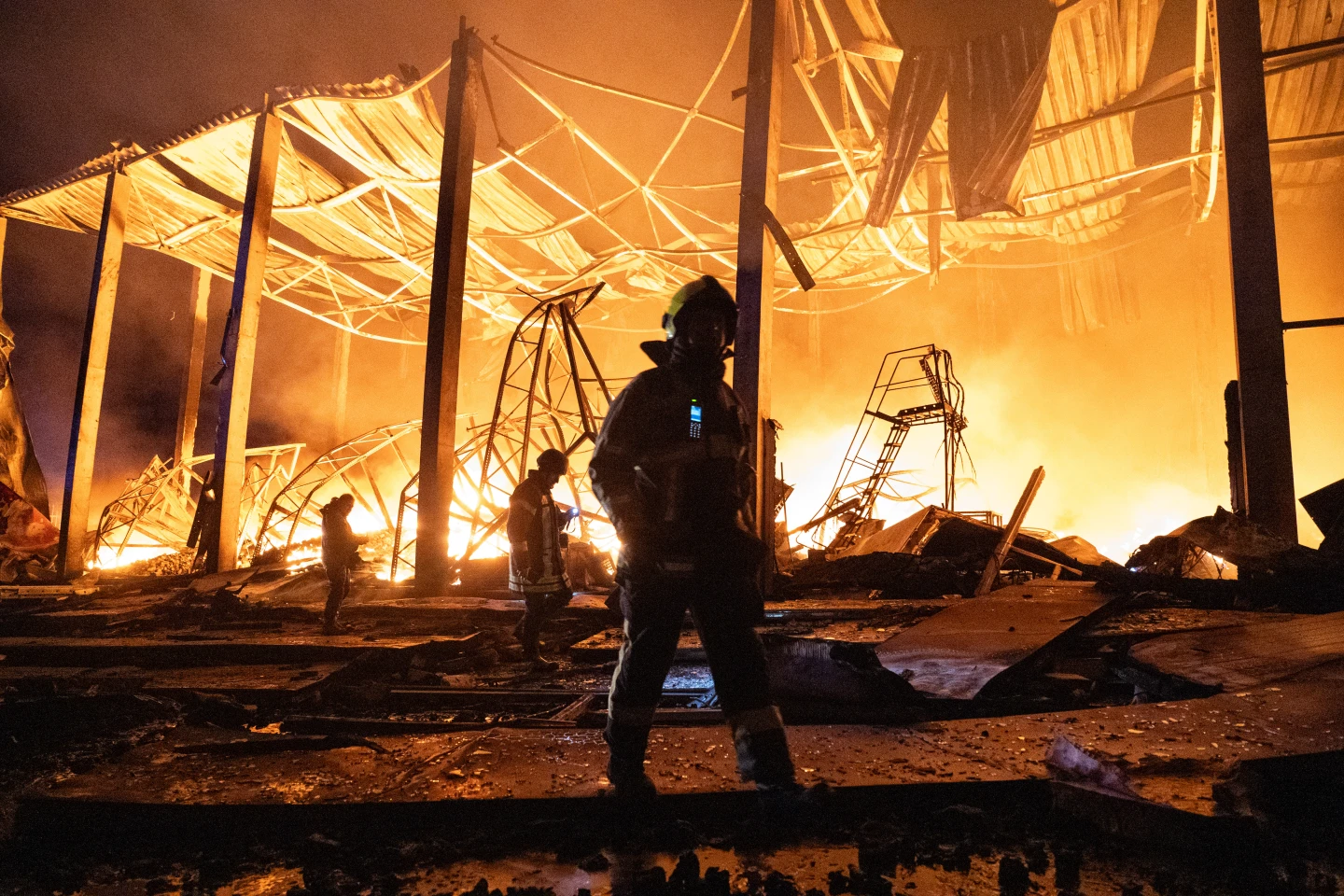
Tensions in the Middle East remained high as Iran reported that three additional oil tankers had been damaged in the Strait of Hormuz on Thursday.
The strategically important waterway connects the Persian Gulf with international shipping routes and plays a crucial role in global energy transportation.
The reported incidents added to concerns about the safety of commercial vessels operating near the ongoing conflict.
Iranian authorities signaled that maritime security would remain uncertain while the war in the Gulf continued.
The tanker incidents came shortly after U.S. midterm elections in which Republicans suffered substantial losses.
Vice President JD Vance publicly attributed part of the party's electoral defeat to the political consequences of the war.
Defense Secretary Pete Hegseth, meanwhile, defended the administration's military campaign.
In a video message released Thursday, Hegseth described the Iran war as a significant military undertaking and vowed to resist congressional efforts to impeach him.
Trump has continued to express support for his defense secretary despite mounting criticism.
The developments indicate that the conflict is creating consequences beyond the battlefield, affecting international maritime security and American domestic politics.
## Democrats Prepare for Greater Influence After Midterm Elections
The November 3 elections dramatically changed the political environment in Washington.
Democrats gained control of Congress, creating new challenges for Trump's domestic legislative agenda.
The results also prompted discussion about potential Democratic candidates for the 2028 presidential election.
Several governors, senators, and former candidates have already been increasing their public visibility, meeting donors, and participating in political events.
However, no clear Democratic presidential nominee has emerged.
The Republican losses may lead to greater congressional oversight of the administration, including hearings and investigations.
Foreign policy is likely to remain an area where Trump retains substantial executive authority, although Congress can influence spending, oversight, and certain aspects of international policy.
The election results also unsettled financial markets.
Technology shares experienced a sharp selloff Thursday as investors evaluated the possibility of additional regulation under Democratic leadership.
The Nasdaq Composite fell 5.56%, according to the Reuters roundup, amid concerns about the potential impact of new policies on artificial intelligence infrastructure investment.
## Paraguay's President Resigns Amid Banking Crisis
Political instability also intensified in South America.
Paraguayan President Santiago Peña resigned Thursday following the collapse of a prominent digital lender with which he had previously maintained business connections.
The banking crisis had reportedly left nearly half of Paraguay's population without access to their accounts.
Peña announced his resignation in a recorded video message, citing the need to protect national stability and democratic institutions.
The developments raised serious questions about financial oversight, public confidence in banking institutions, and the country's political future.
Elsewhere in the region, Ecuadorian prosecutors moved to bring seven individuals to trial over an alleged conspiracy connected to the 2023 assassination of presidential candidate Fernando Villavicencio.
The case includes alleged leaders of a criminal organization.
Five individuals had already received prison sentences in 2024 for their involvement in the killing.
The latest proceedings represent another stage in efforts to establish accountability for one of Ecuador's most prominent political assassinations.
## Israel Faces Uncertain Government Formation
Israel also entered a new period of political uncertainty after its October 27 national election produced no clear parliamentary majority.
President Isaac Herzog said he would select a candidate on Sunday to attempt to form a government.
Former military chief Gadi Eisenkot, a political rival of Prime Minister Benjamin Netanyahu, received support from a majority of lawmakers during consultations.
However, neither Eisenkot nor Netanyahu had secured a guaranteed path to forming a governing coalition.
The outcome could influence Israel's domestic political direction and its approach to regional security challenges.
The process of forming a government may require further negotiations among political parties.
## Global Crises Continue as Diplomacy Struggles to Keep Pace
The developments reported on November 6 reflect a world confronting multiple challenges at once.
American officials are pursuing negotiations over Ukraine while the conflict in the Middle East continues to place shipping routes at risk.
European governments are responding to aviation security threats as political leaders confront domestic pressures.
In Latin America, financial instability and criminal investigations are contributing to additional uncertainty.
At the same time, the changing balance of power in Washington could shape future congressional oversight and policy decisions.
Despite these pressures, diplomatic discussions and institutional responses remain active.
The coming days could bring further developments in Ukraine peace efforts, European aviation investigations, Israel's government formation process, and the political consequences of the U.S. elections.
For now, the international situation remains fluid, with governments facing the challenge of managing immediate crises while pursuing longer-term stability.